
-
Sale!
 Quick View
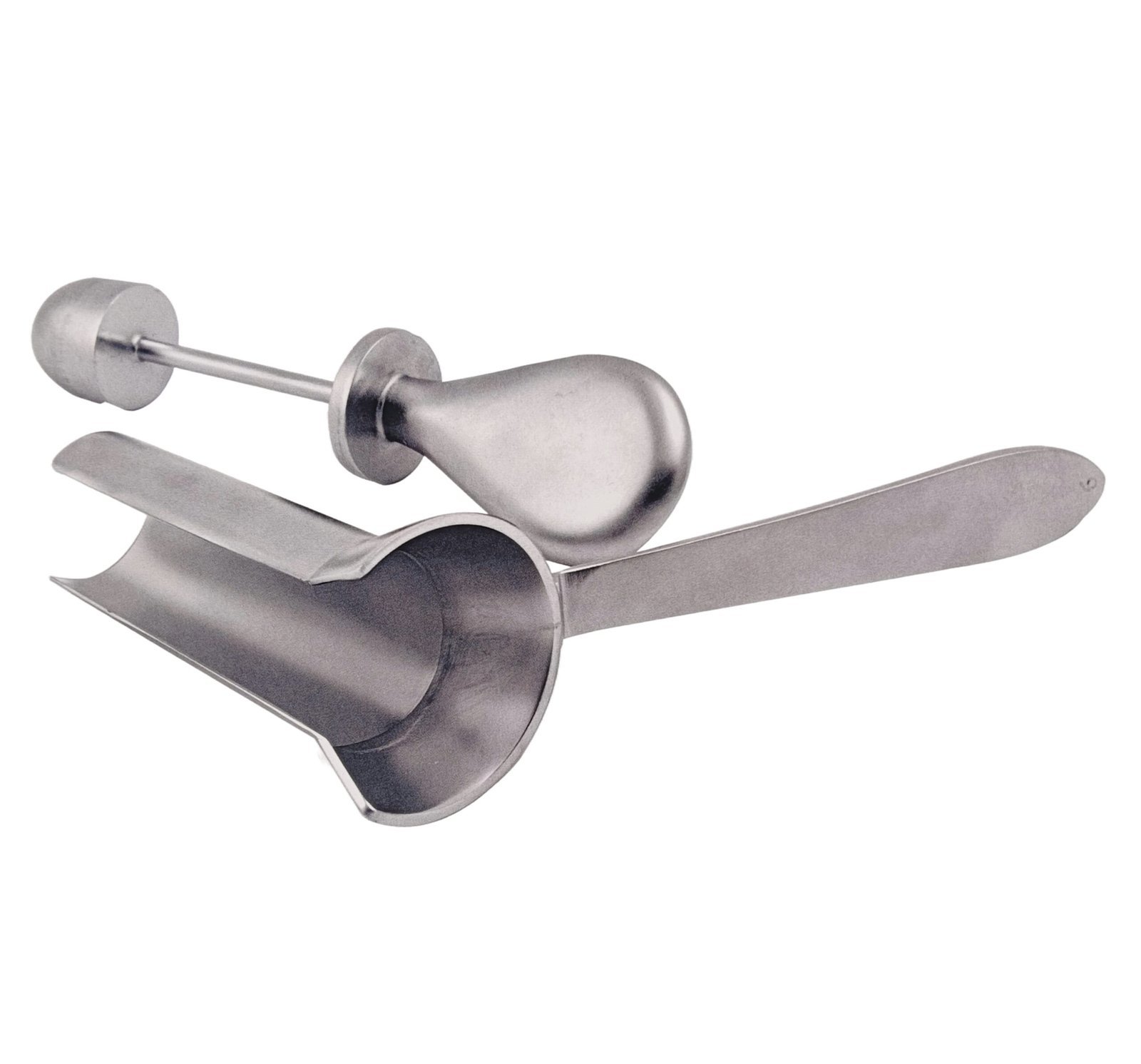
Full Cut s.s. Proctoscope
Proctology Original price was: ₹6,999.00.₹3,499.00Current price is: ₹3,499.00. -
Sale!
 Quick View
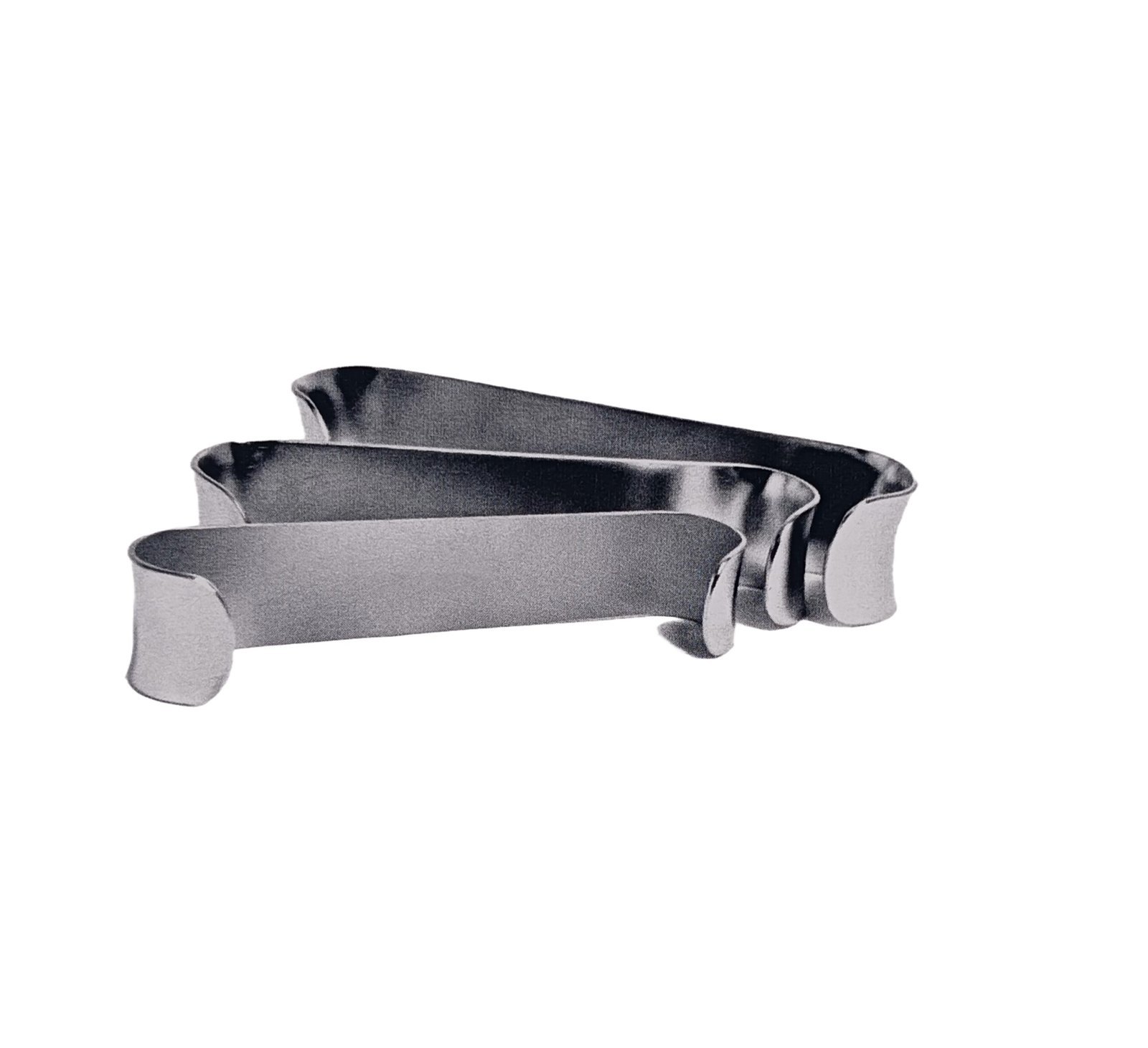
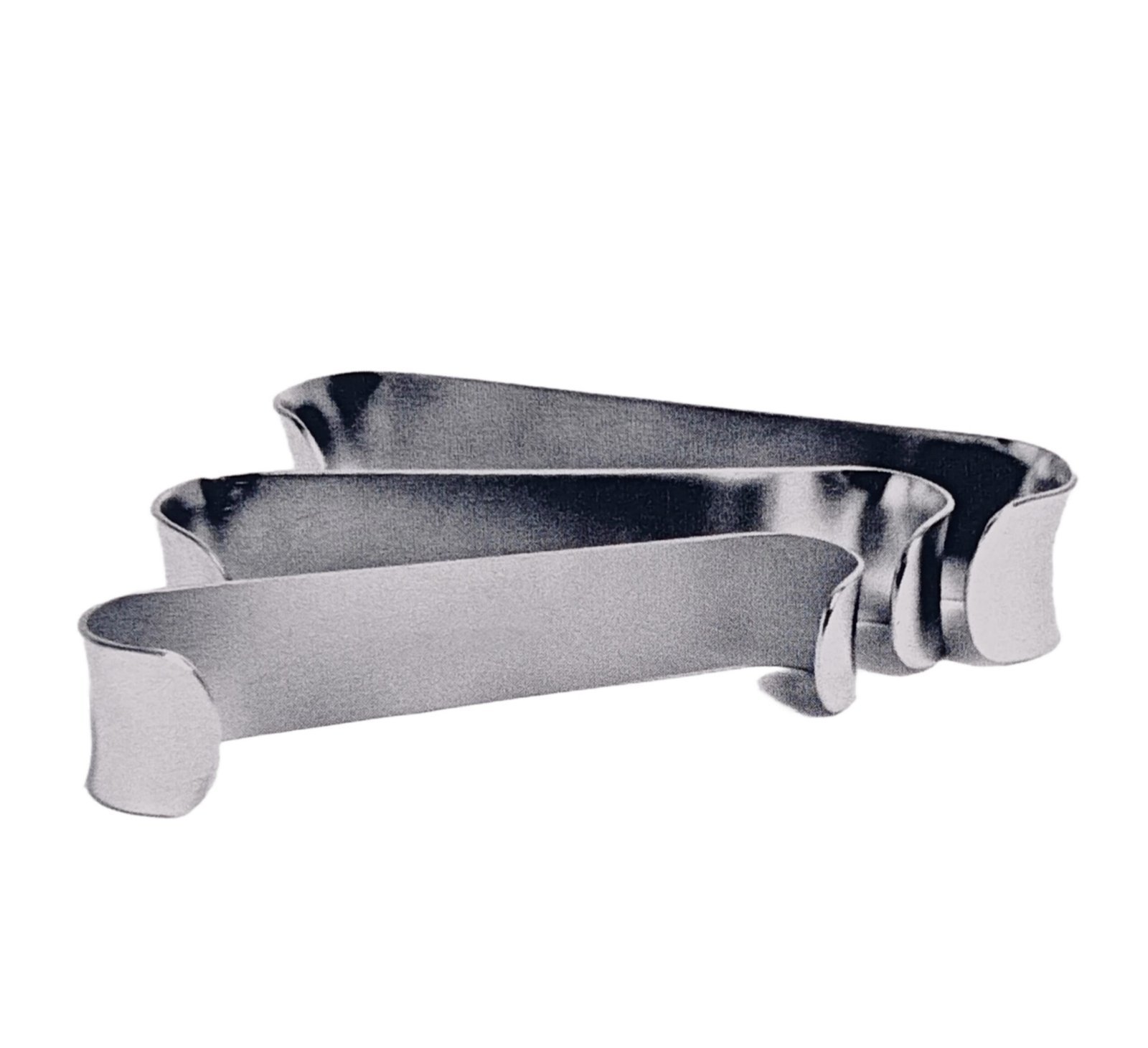
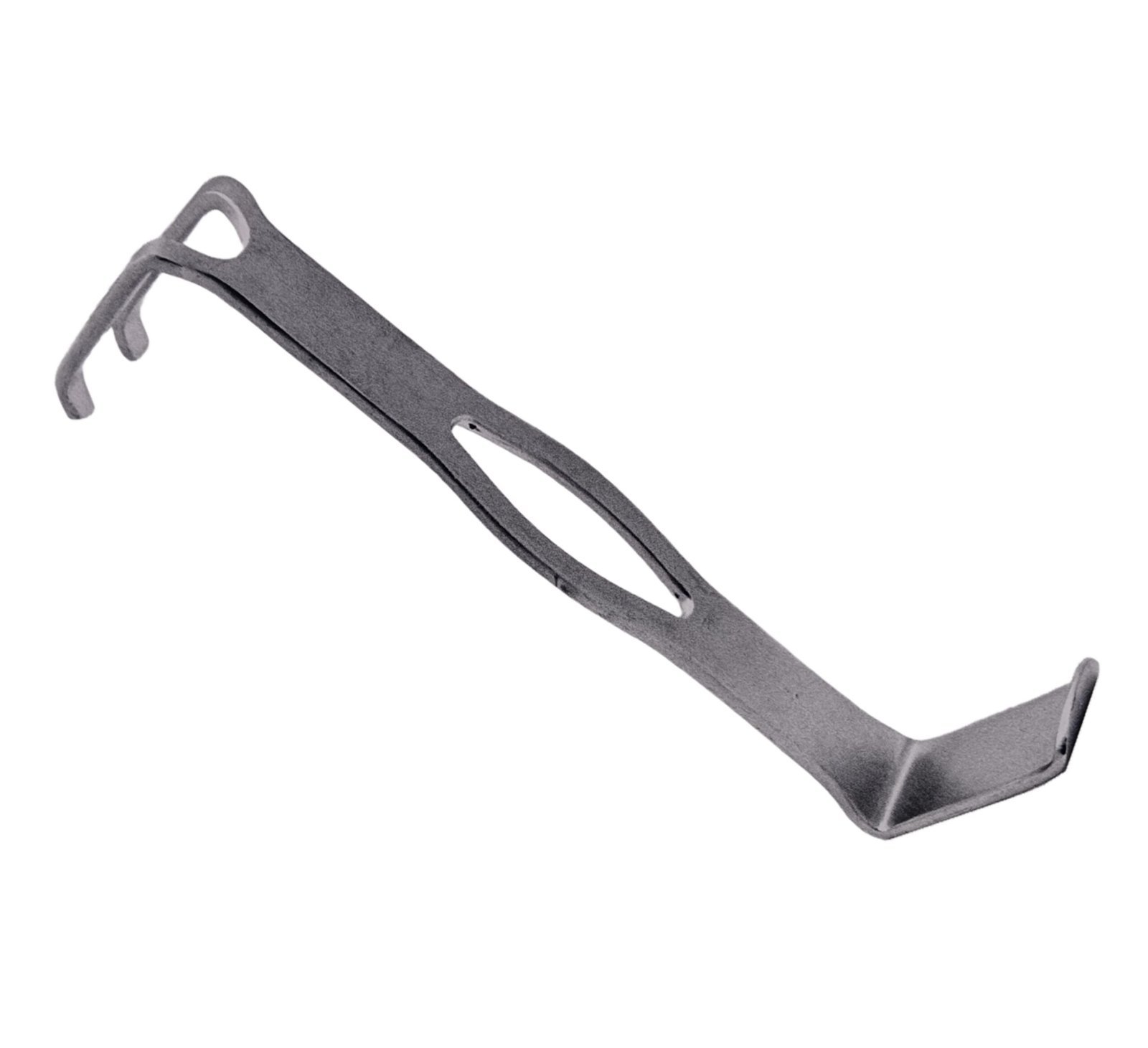
Roux ‘C’ Shape Double Ended Retractor (Set Of 3 Pieace)
Retracter's Original price was: ₹2,999.00.₹1,299.00Current price is: ₹1,299.00. -
Sale!
 Quick View
 -
Sale!
 Quick View
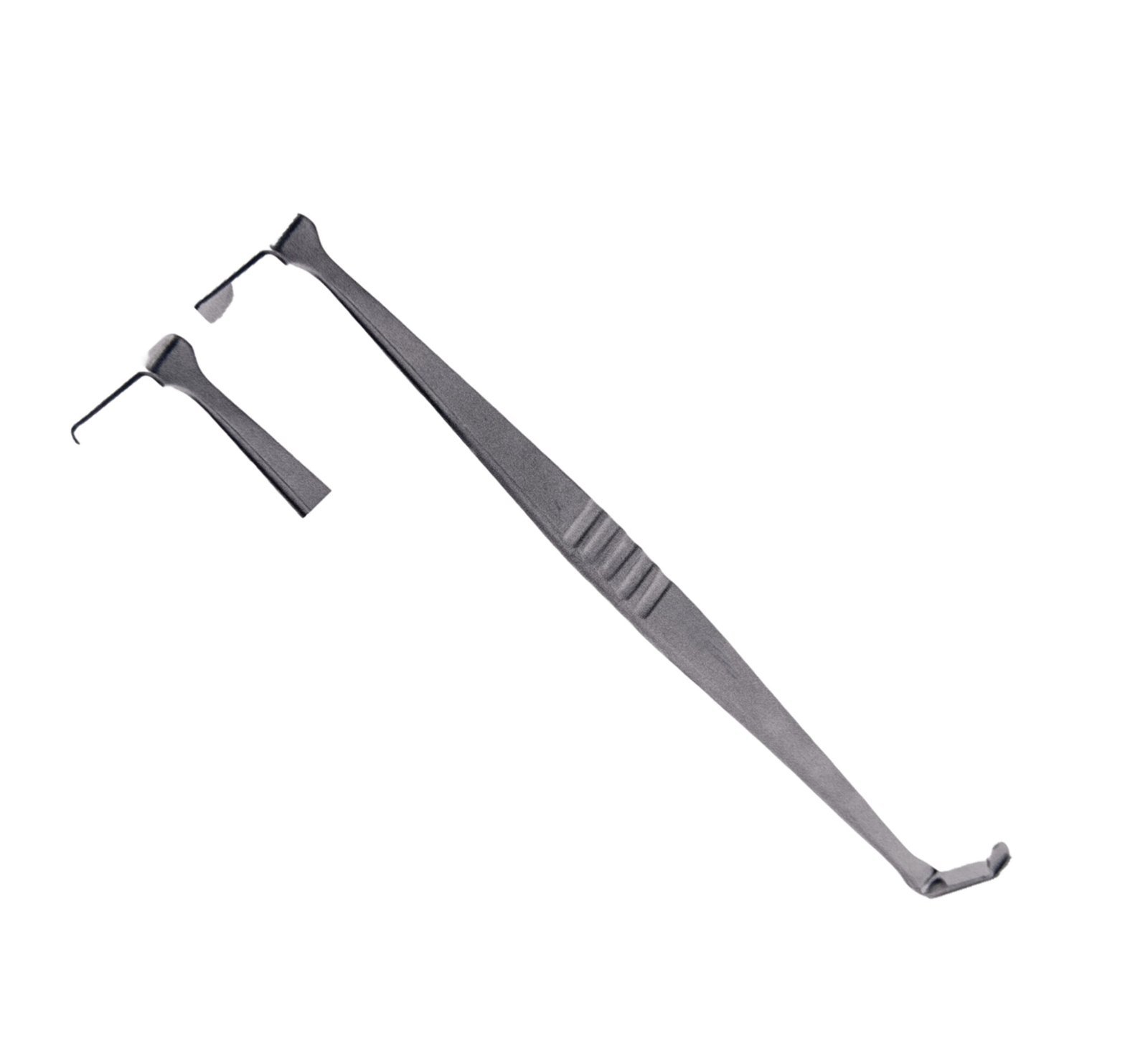
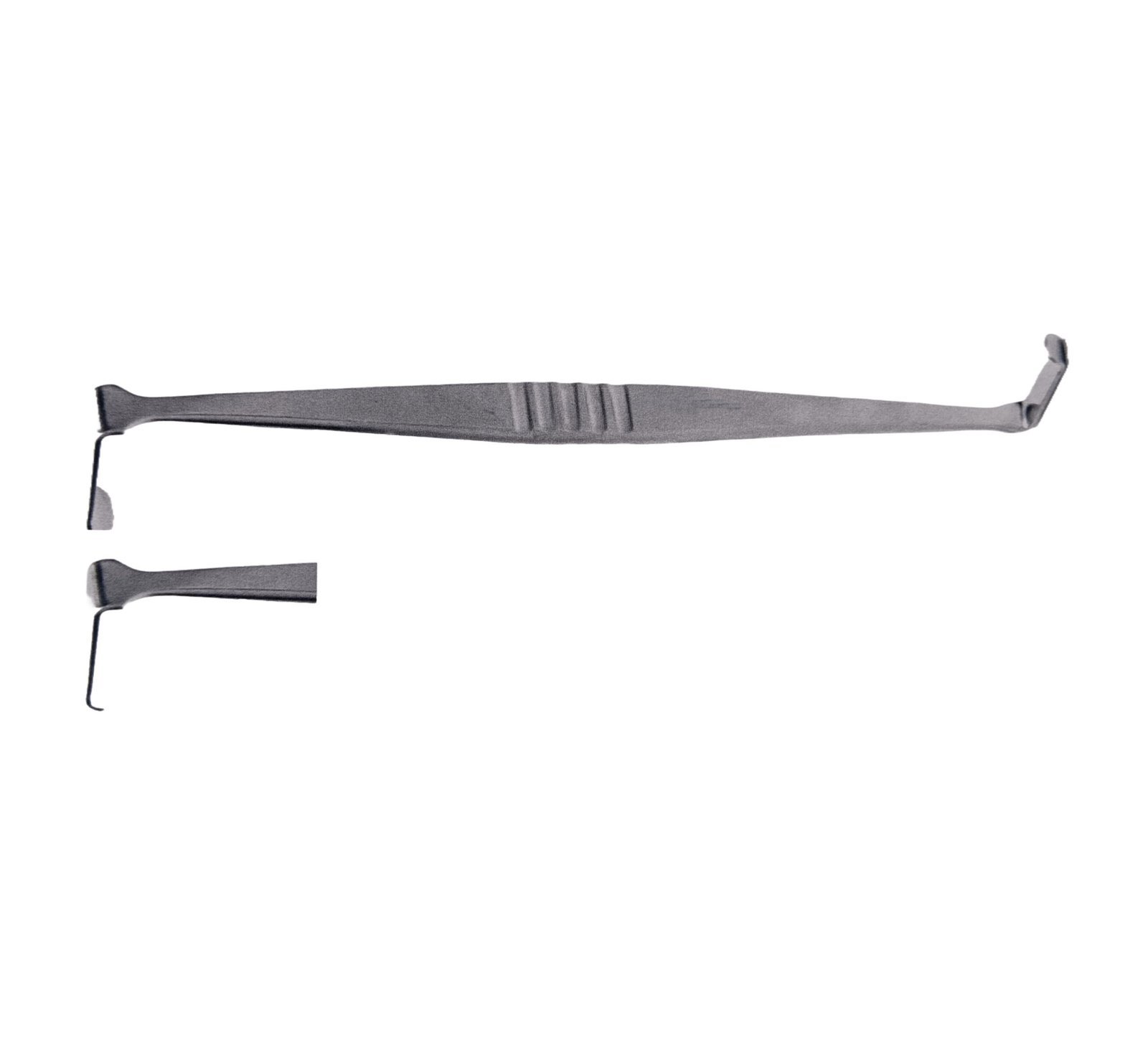
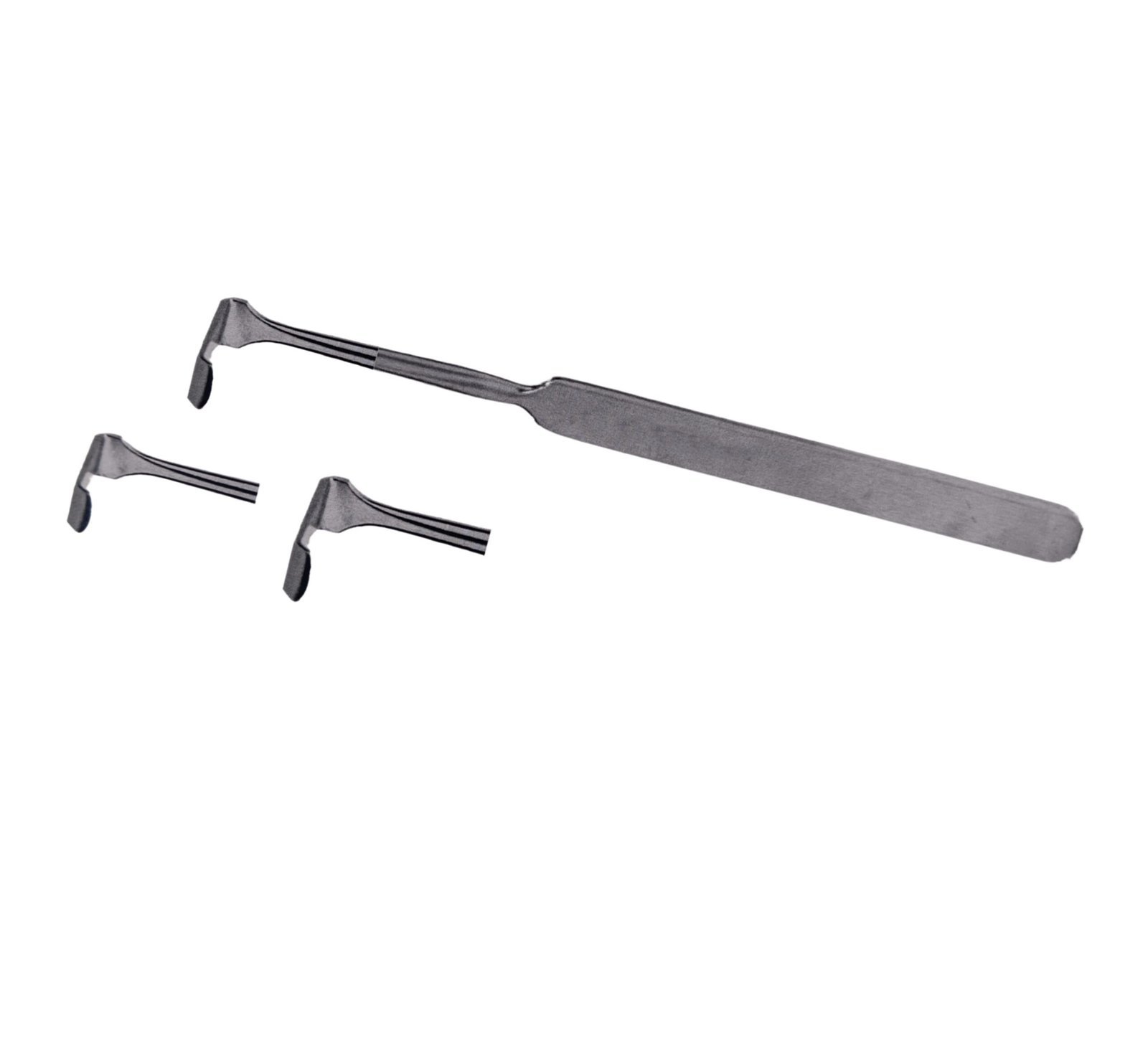
Mini Double Ended Right Angle Retractor
Retracter's Original price was: ₹1,799.00.₹699.00Current price is: ₹699.00. -
Sale!
 Quick View
 -
Sale!
 Quick View
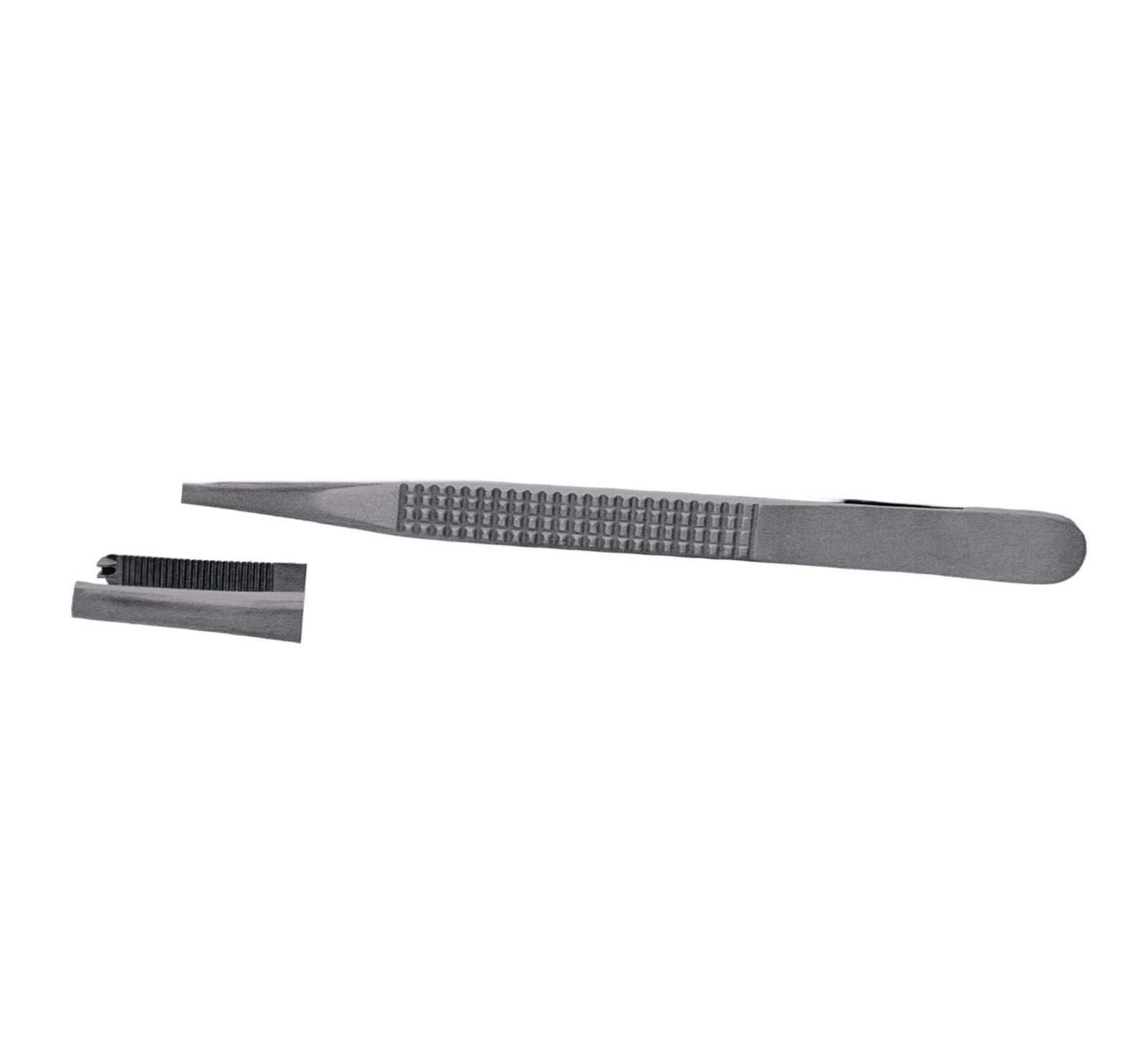
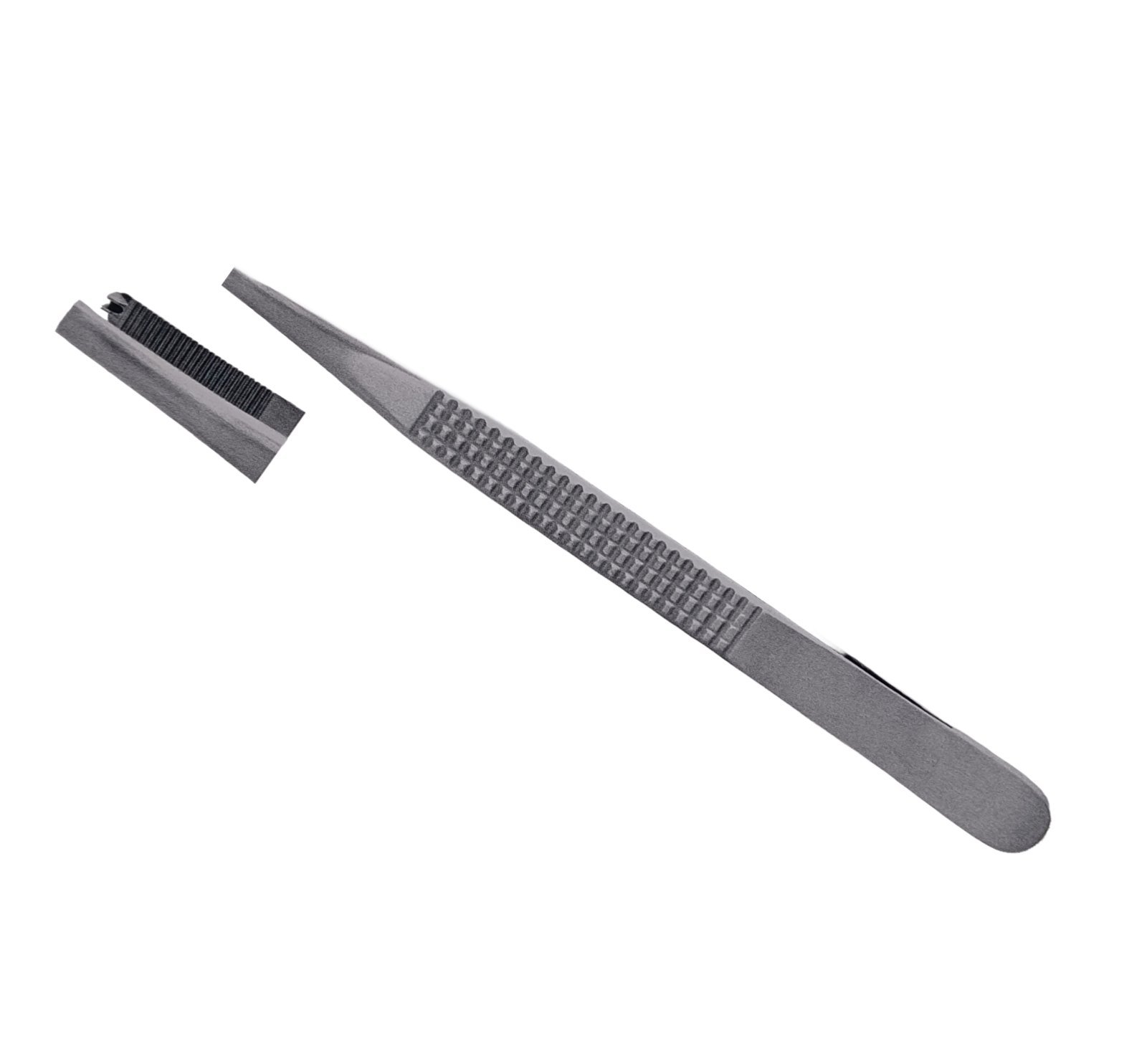
Bonney Heavy Forceps (Plain/Tooth)
All Type Forceps Original price was: ₹1,299.00.₹649.00Current price is: ₹649.00. -
Sale!
 Quick View
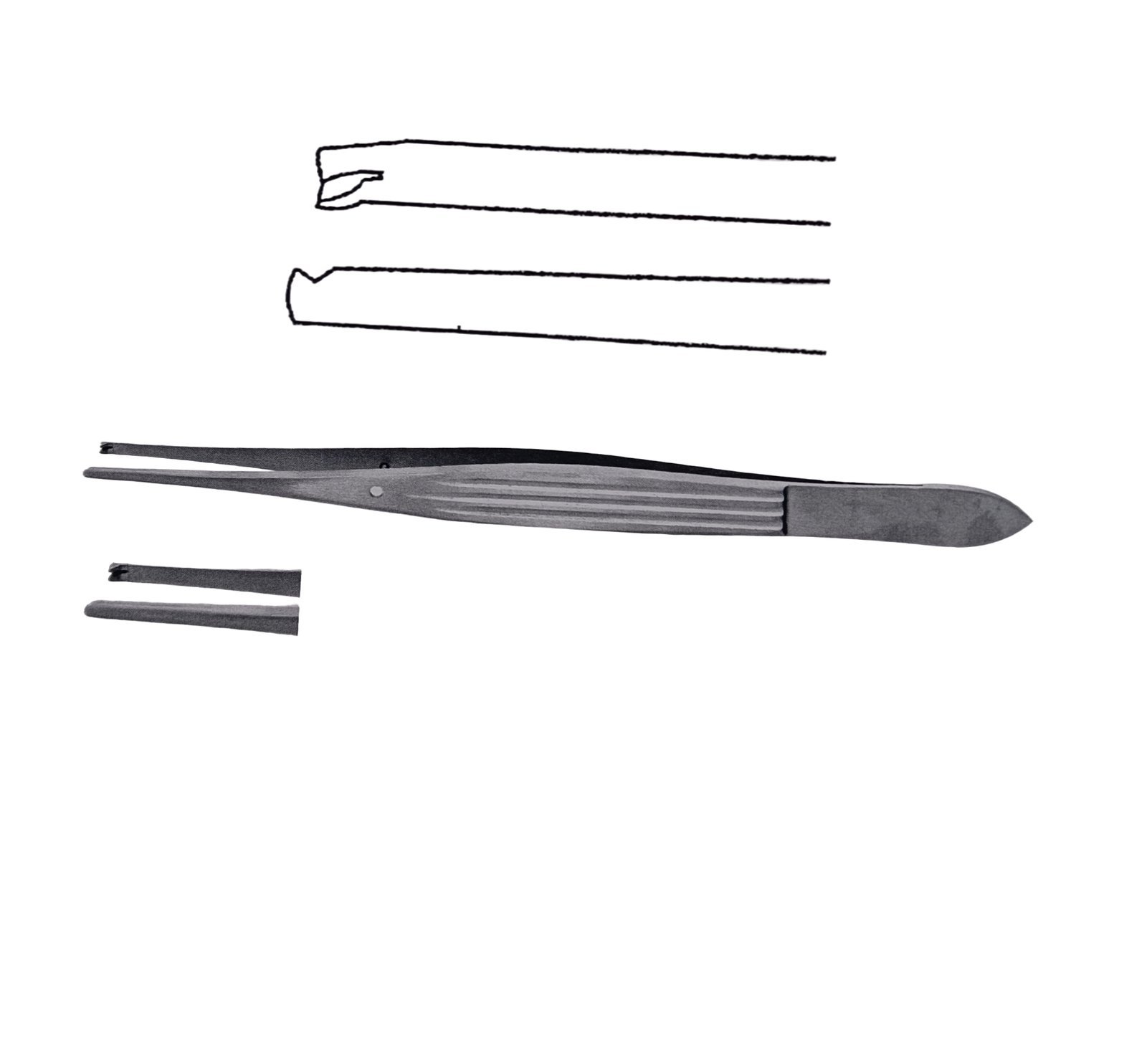
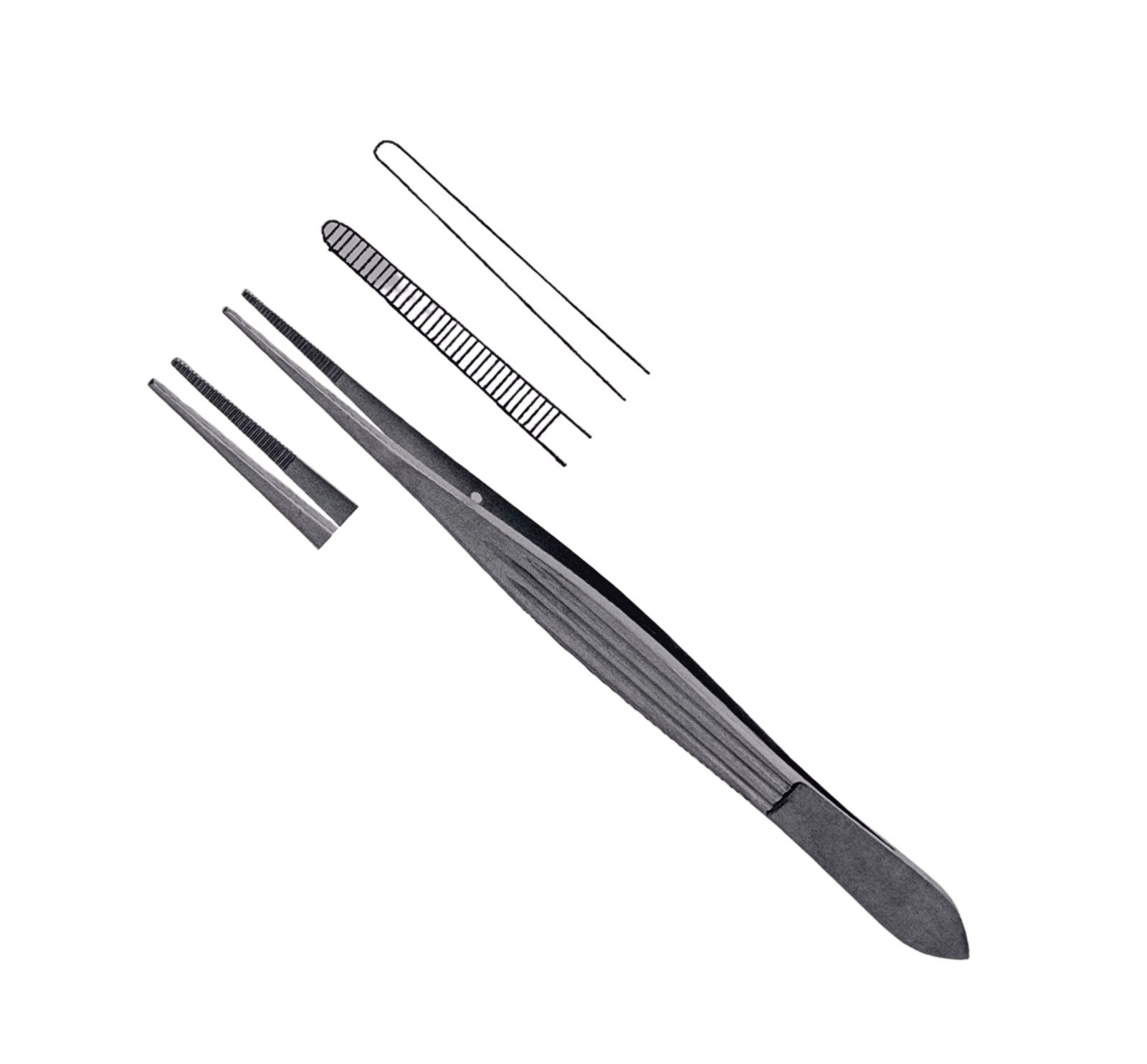
Mcindoe Forces ( Plain/Tooth)
All Type Forceps Original price was: ₹1,199.00.₹699.00Current price is: ₹699.00. -
Sale!
 Quick View
 -
Sale!
 Quick View
 -
Sale!
 Quick View
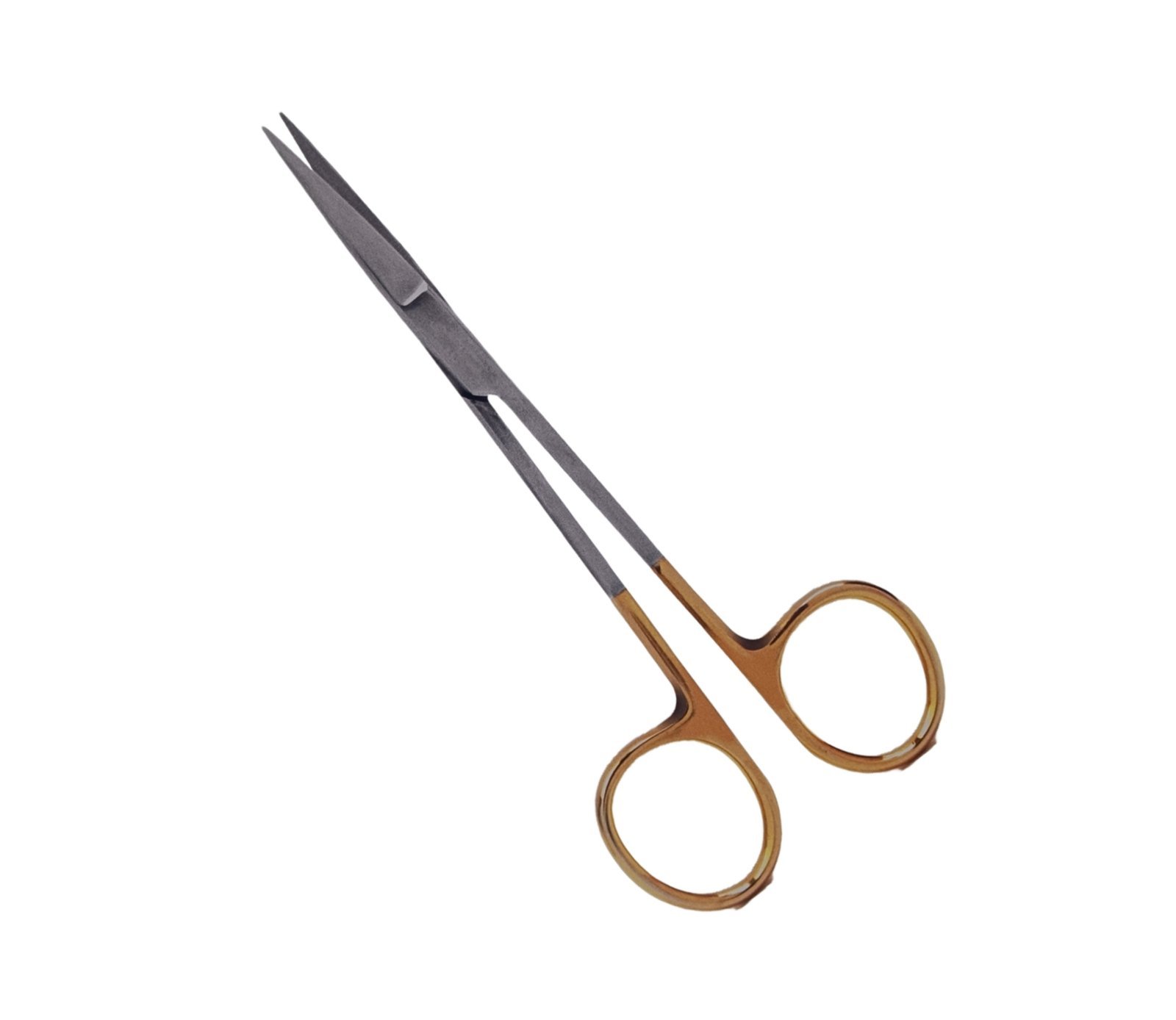
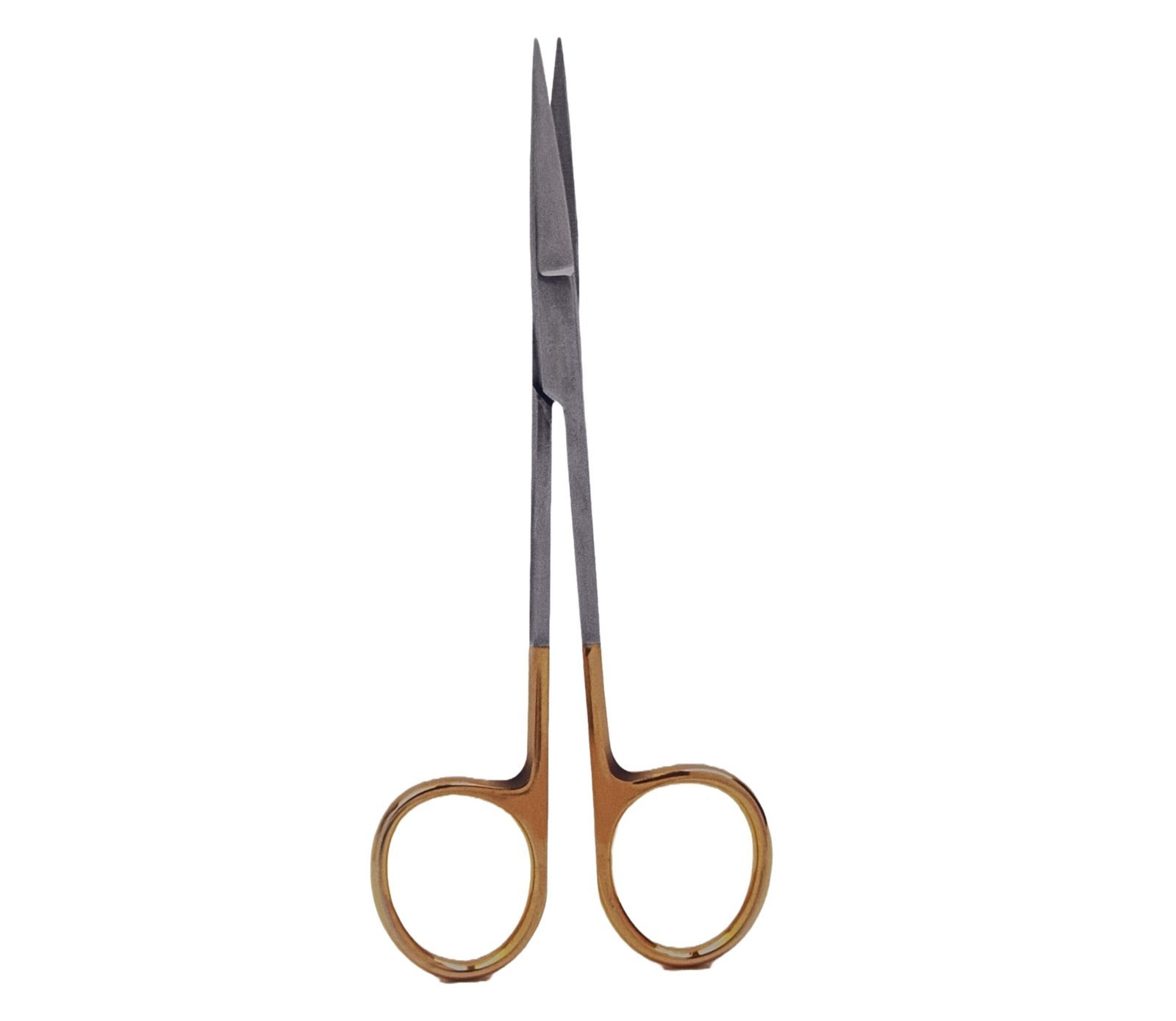
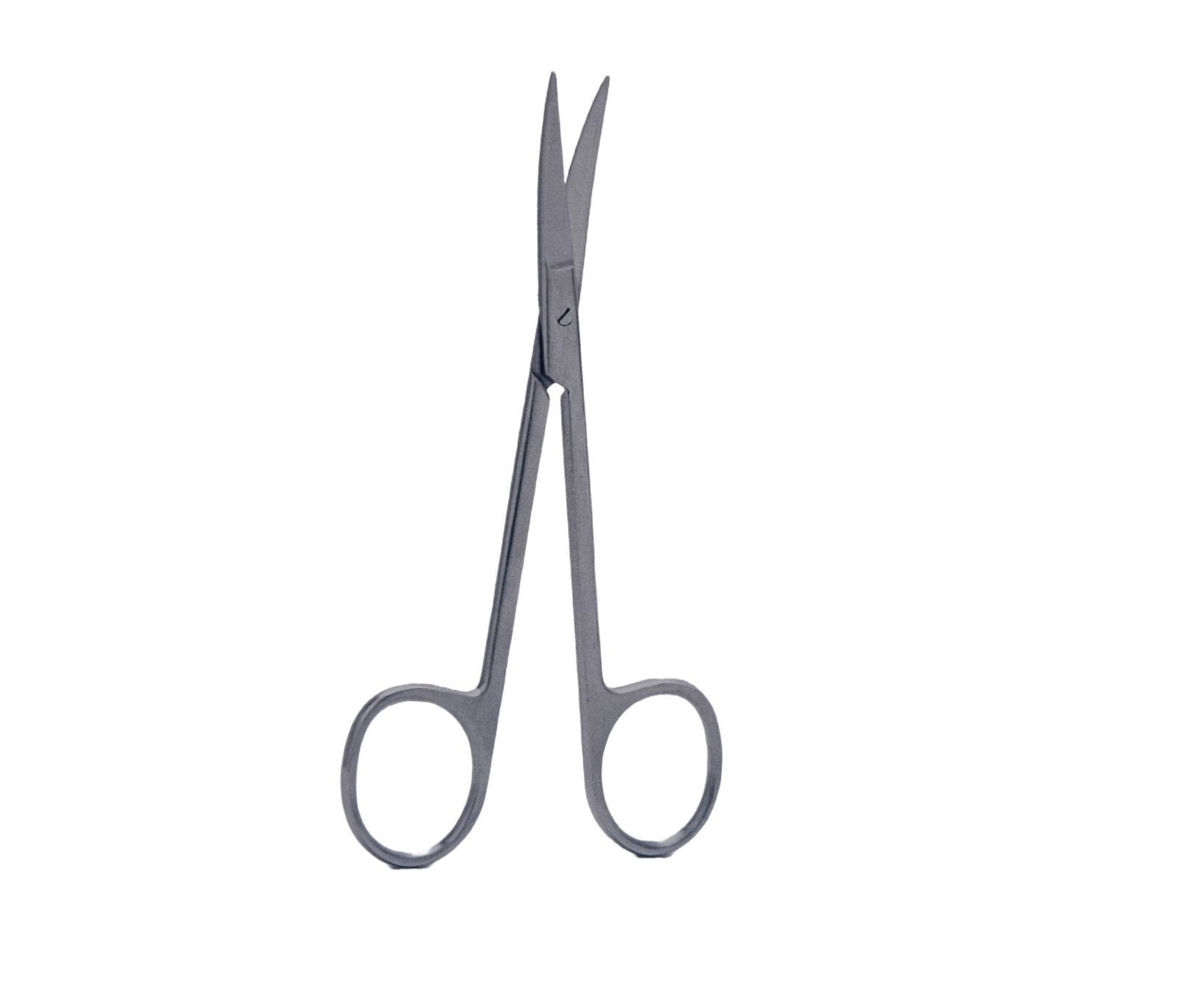
6″ Inch Straight Pointed Tip Fine Scissor T/C With Tungsten Carbide Jaws
Scissors Original price was: ₹2,999.00.₹1,799.00Current price is: ₹1,799.00. -
Sale!
 Quick View
 -
Sale!
 Quick View
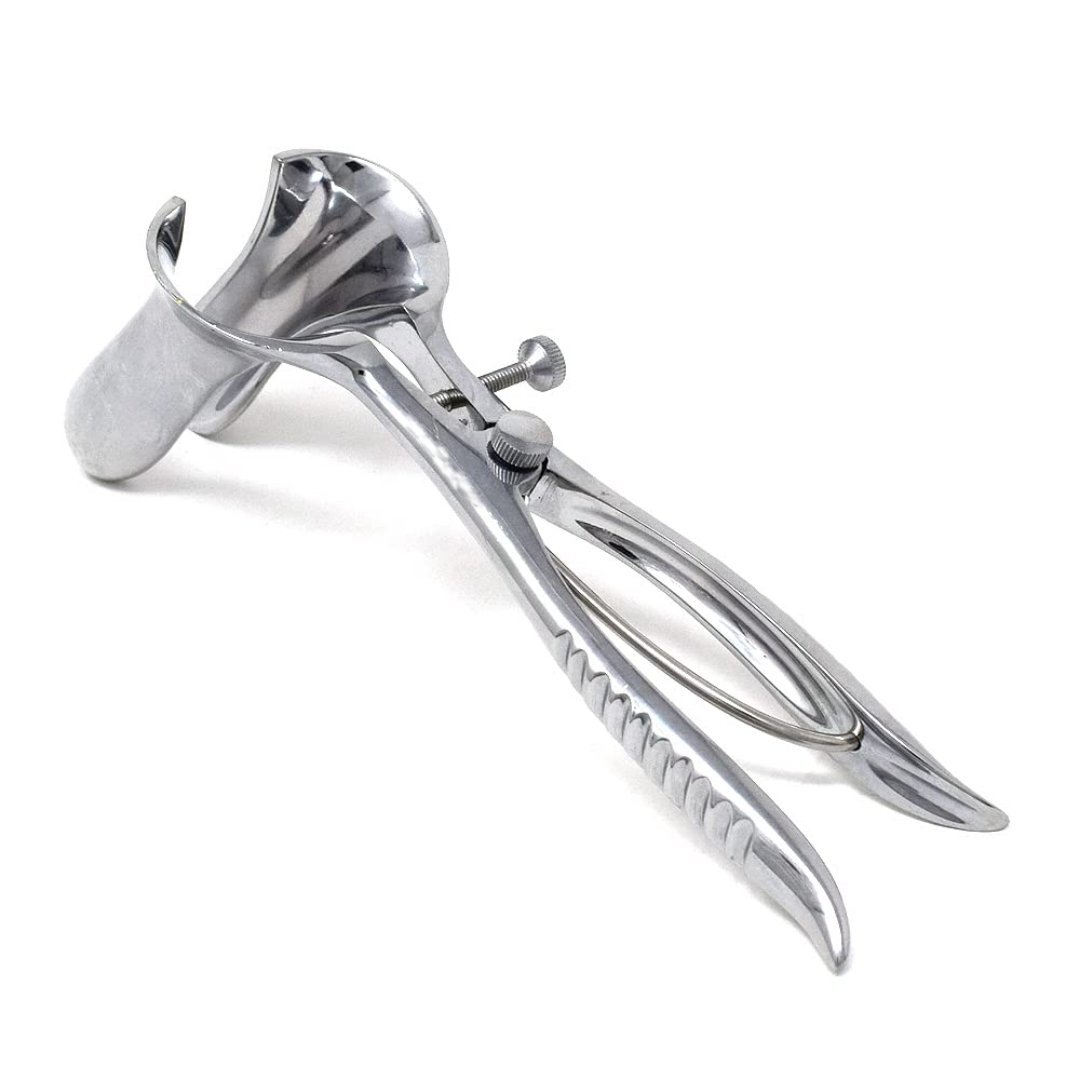
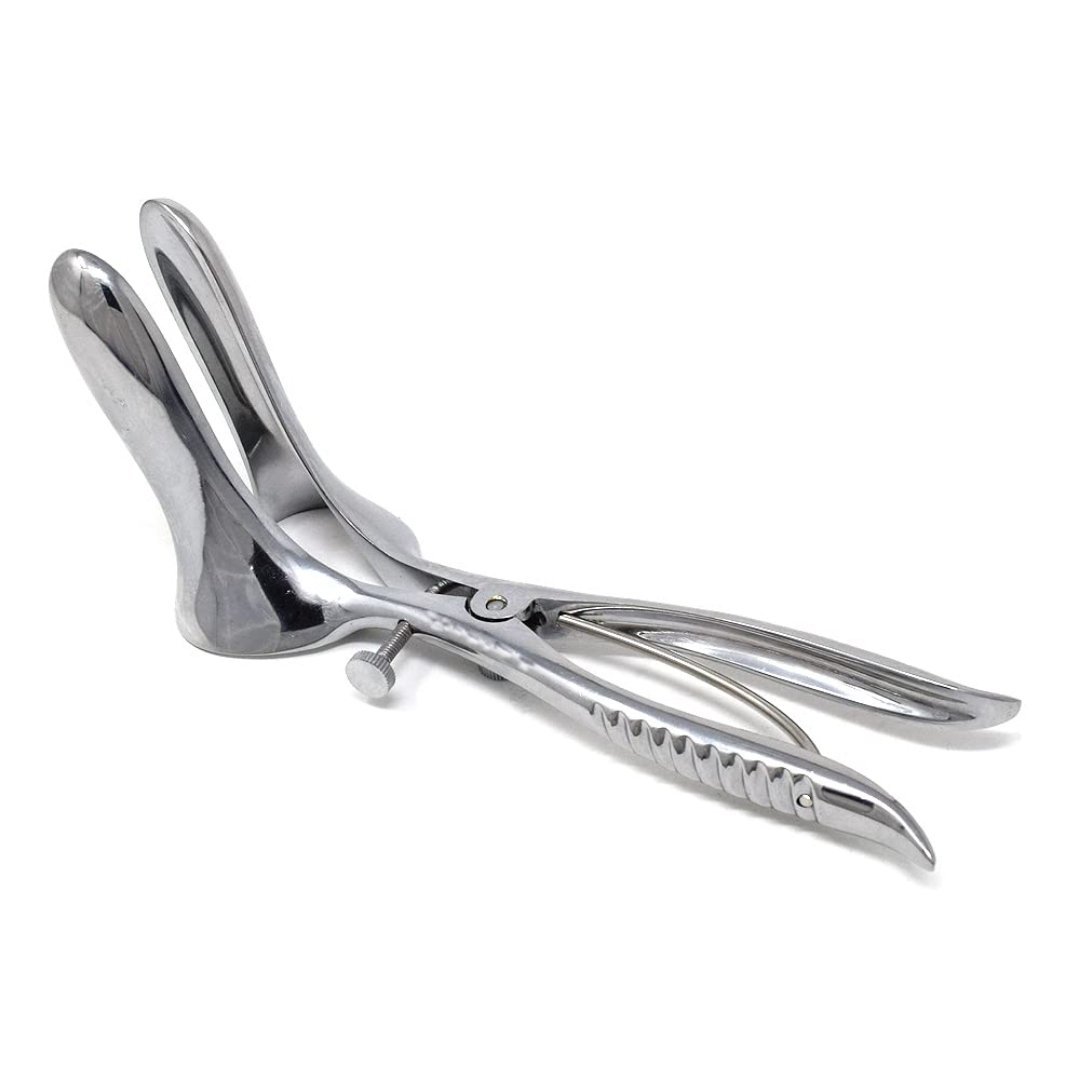
2 Blade Anal Retractor | Rectal Speculums
Instrument's for hemorrhoids Original price was: ₹8,999.00.₹5,499.00Current price is: ₹5,499.00. -
Sale!
 Quick View
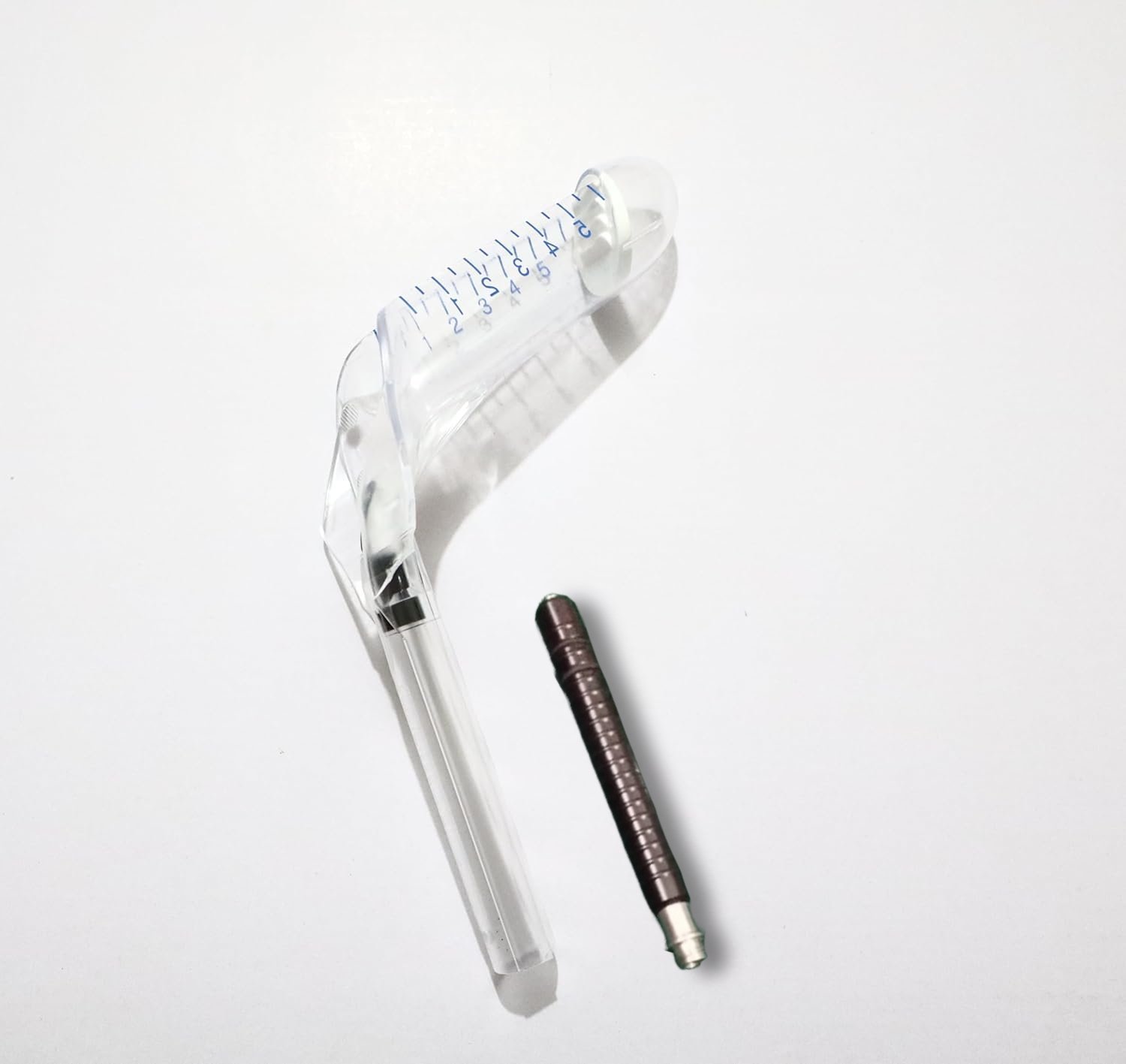
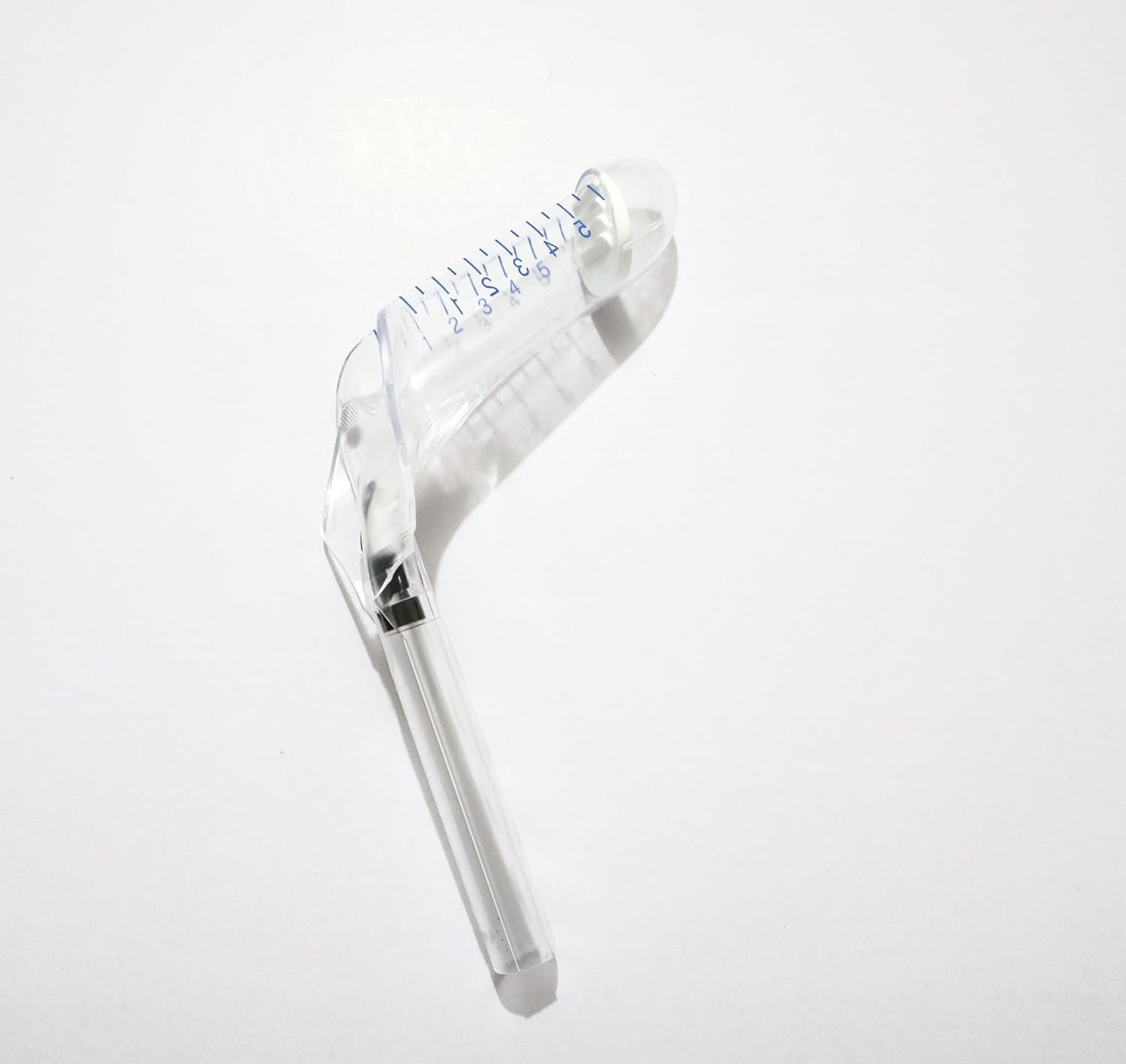
SapiMed Protoscope with light candle
Proctology Original price was: ₹8,999.00.₹4,999.00Current price is: ₹4,999.00.