
-
Sale!
 Quick View
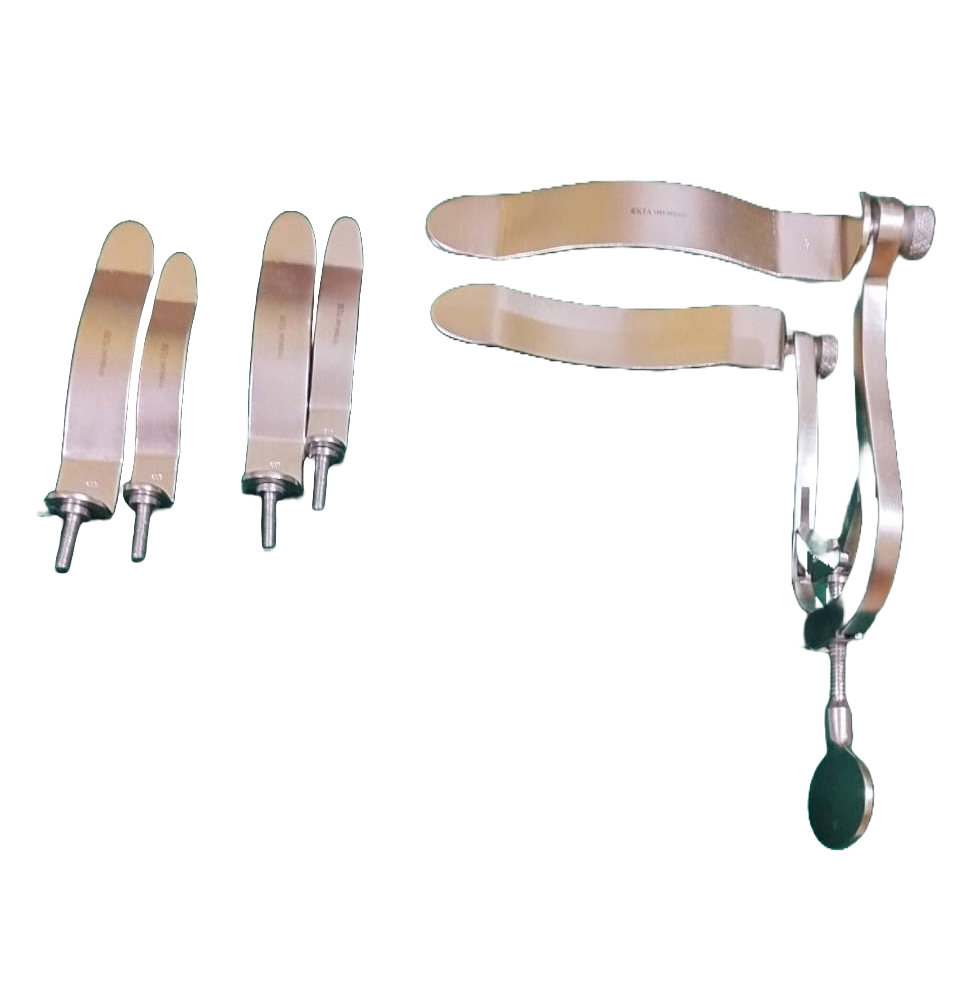
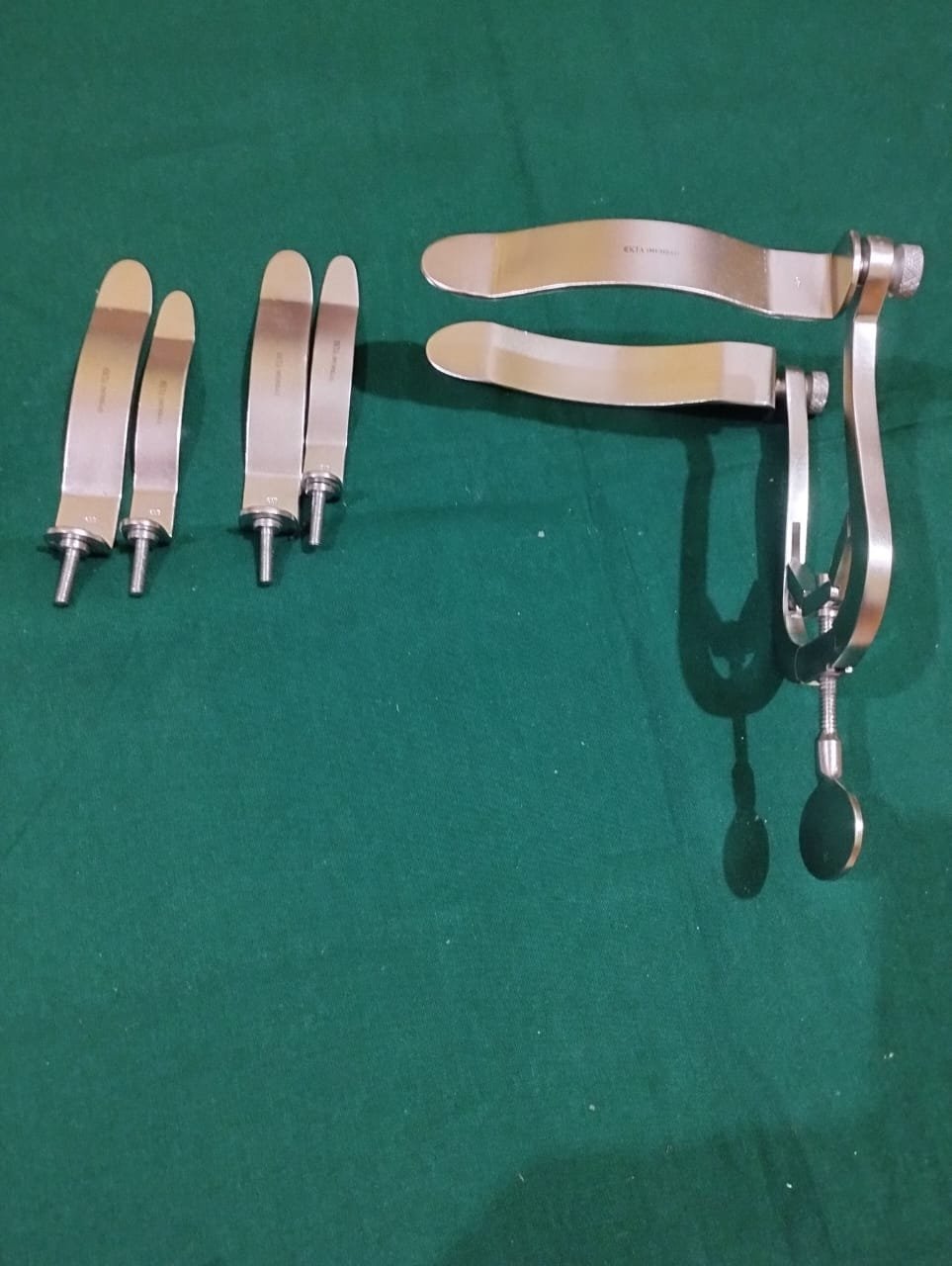
Park Anal Retractor with 3 pairs of interchangeable blades
Proctology Original price was: ₹7,899.00.₹5,199.00Current price is: ₹5,199.00. -
Sale!
 Quick View
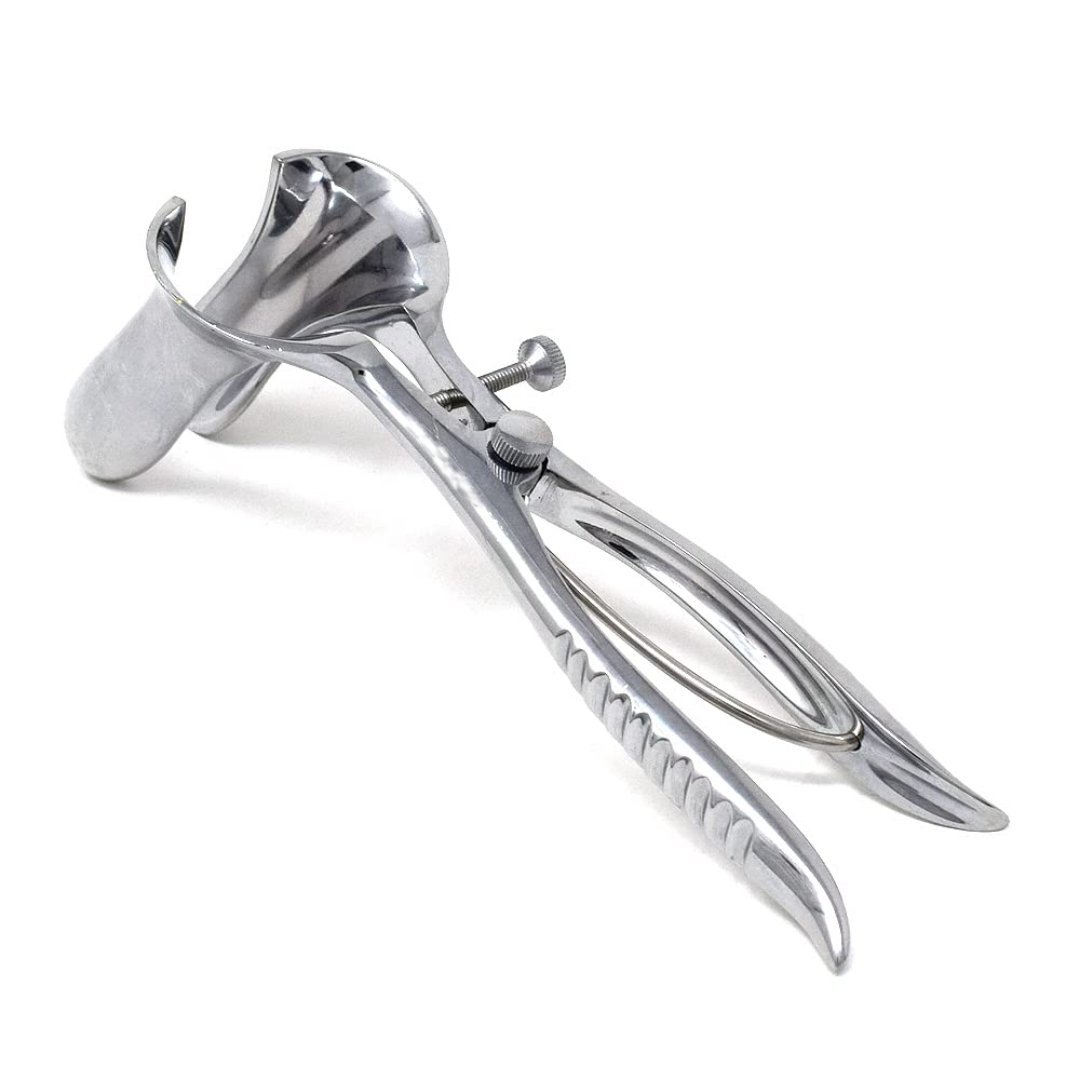
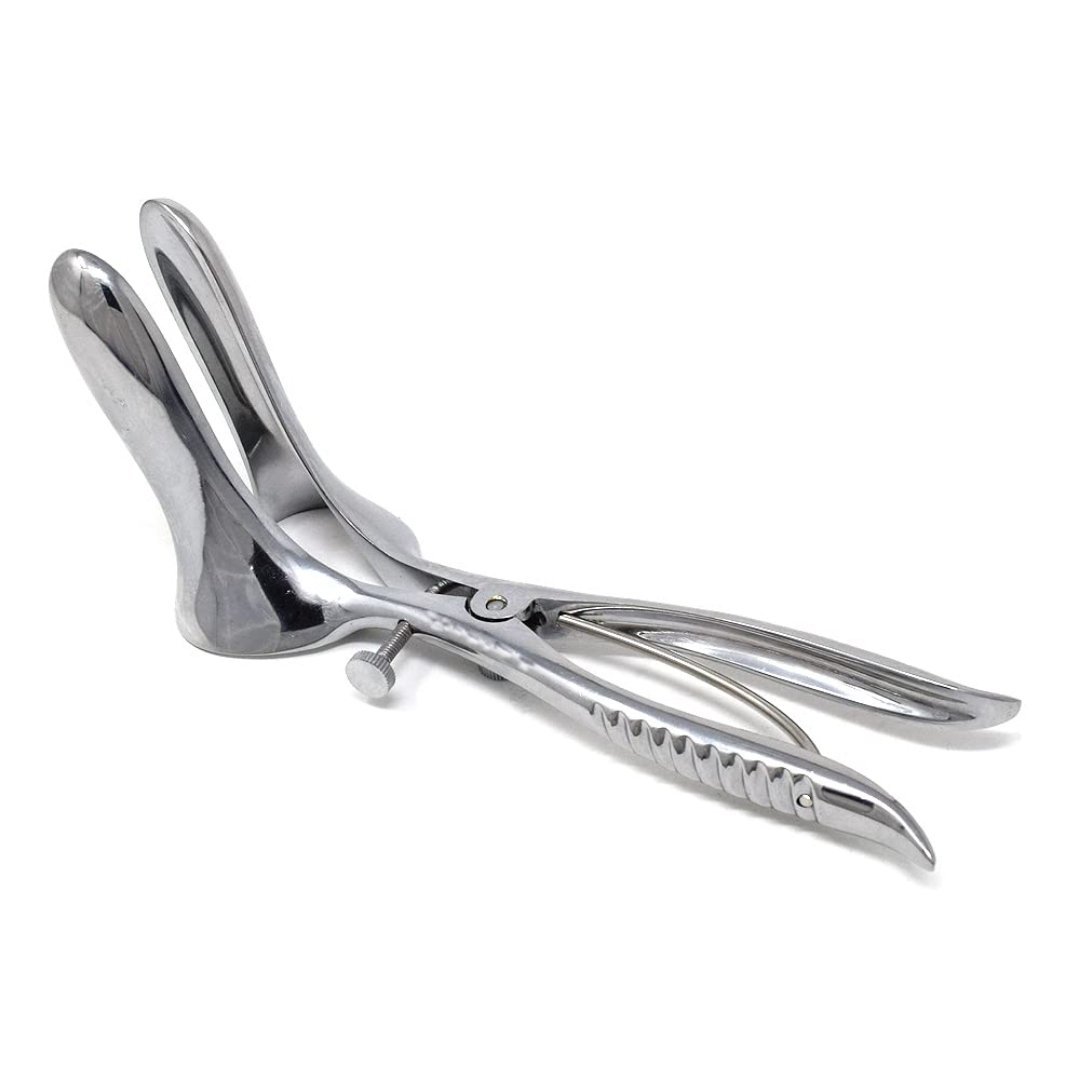
2 Blade Anal Retractor | Rectal Speculums
Instrument's for hemorrhoids Original price was: ₹8,999.00.₹5,499.00Current price is: ₹5,499.00. -
Sale!
 Quick View
 -
Sale!
 Quick View
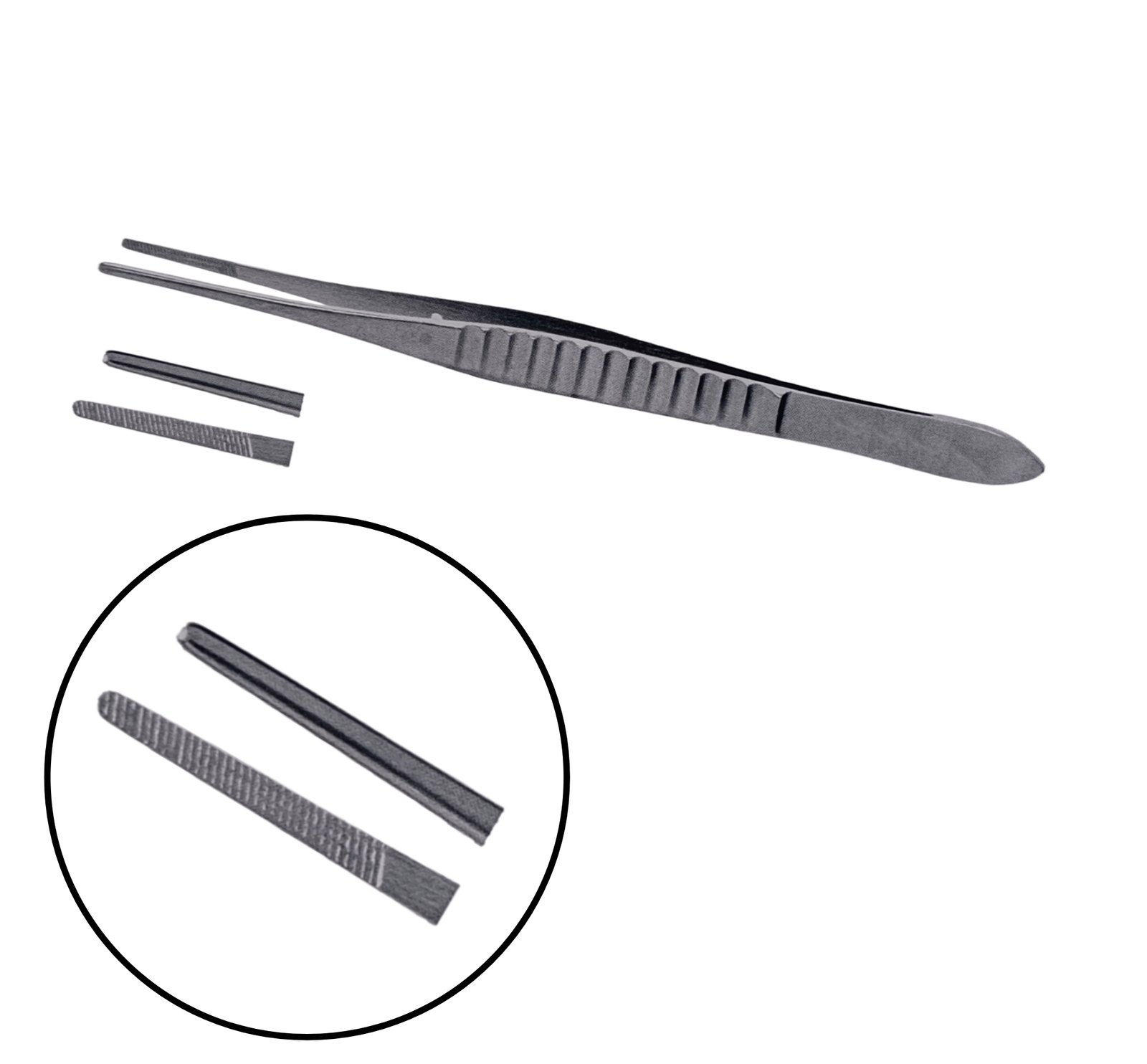
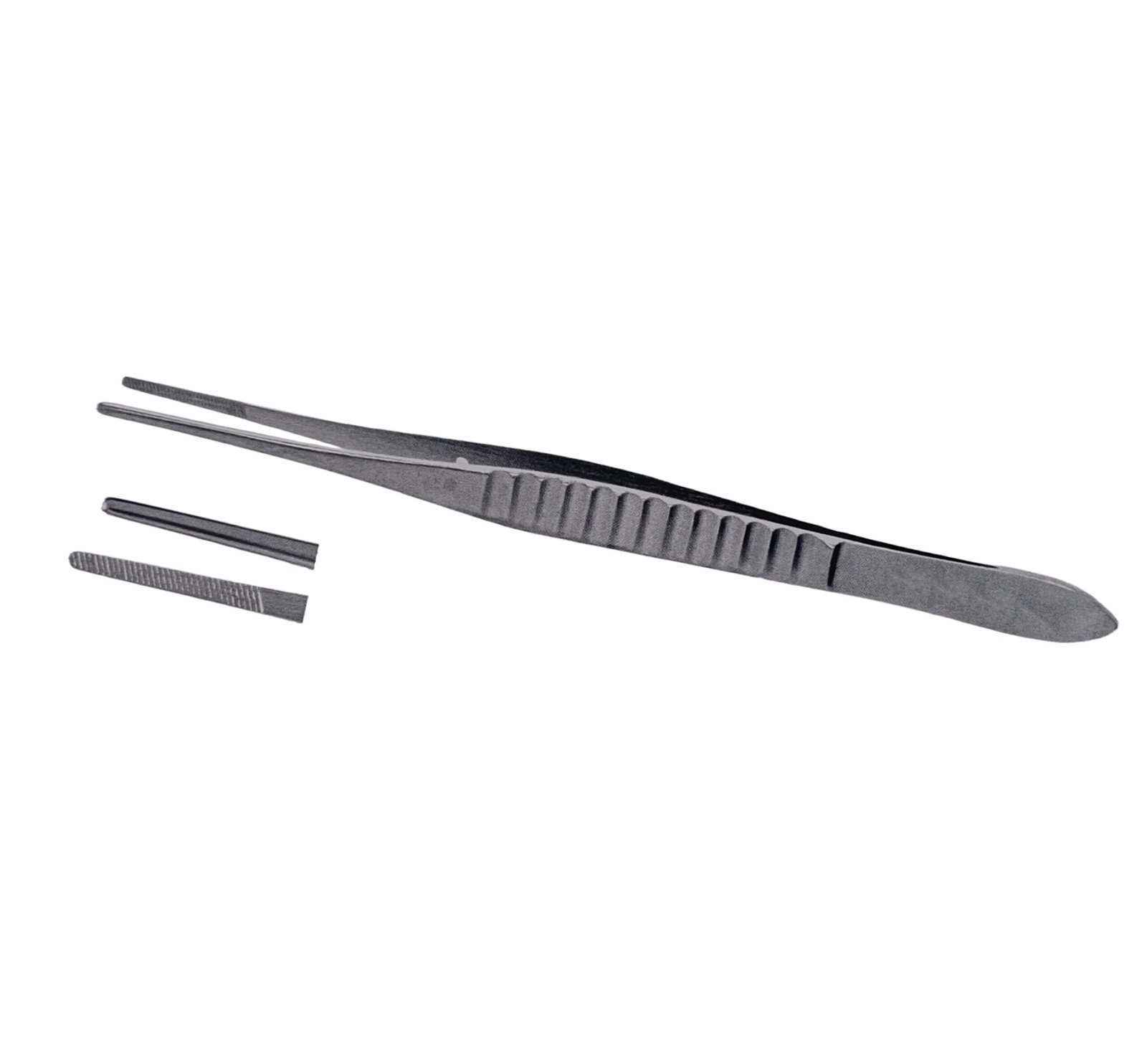
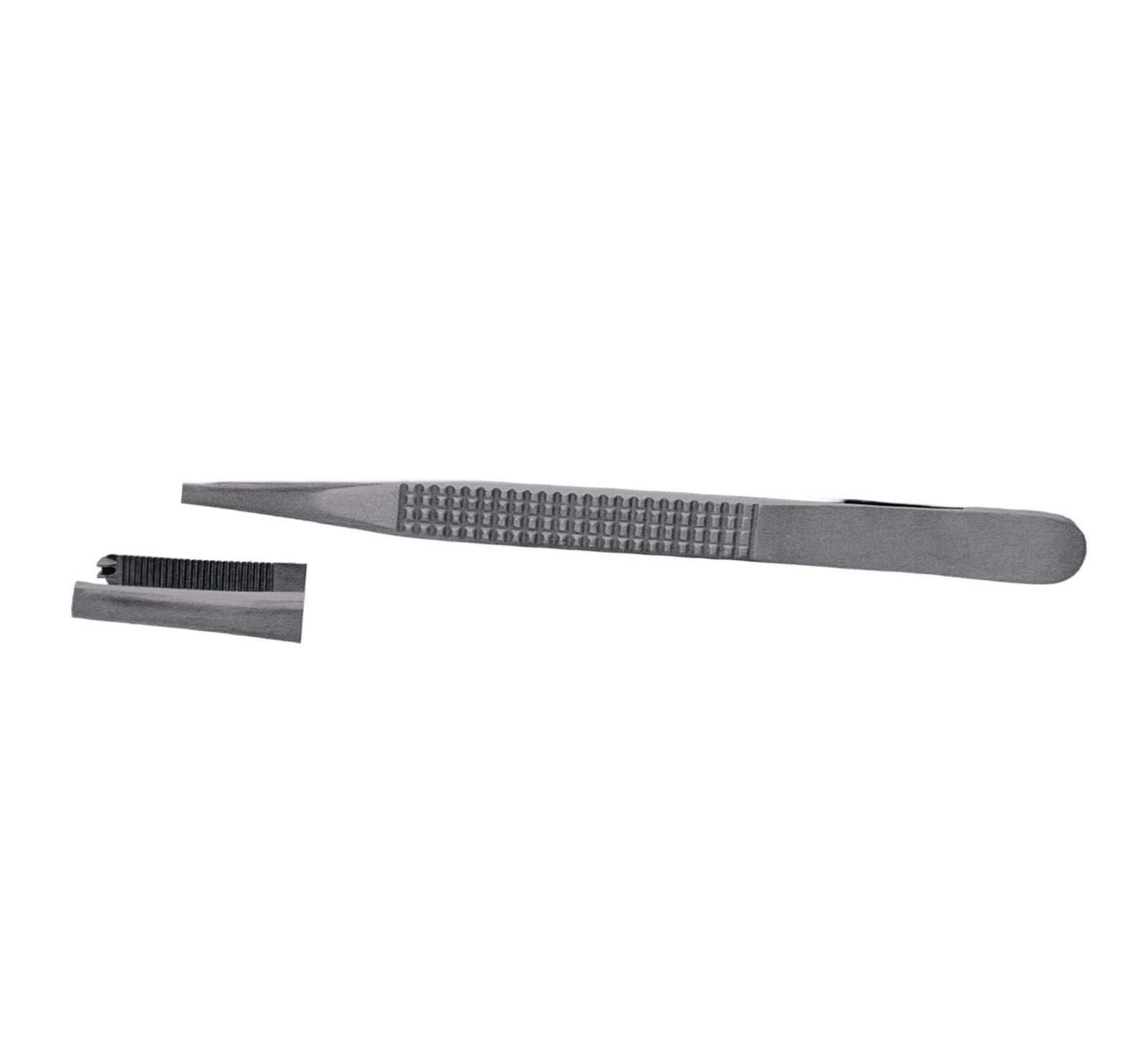
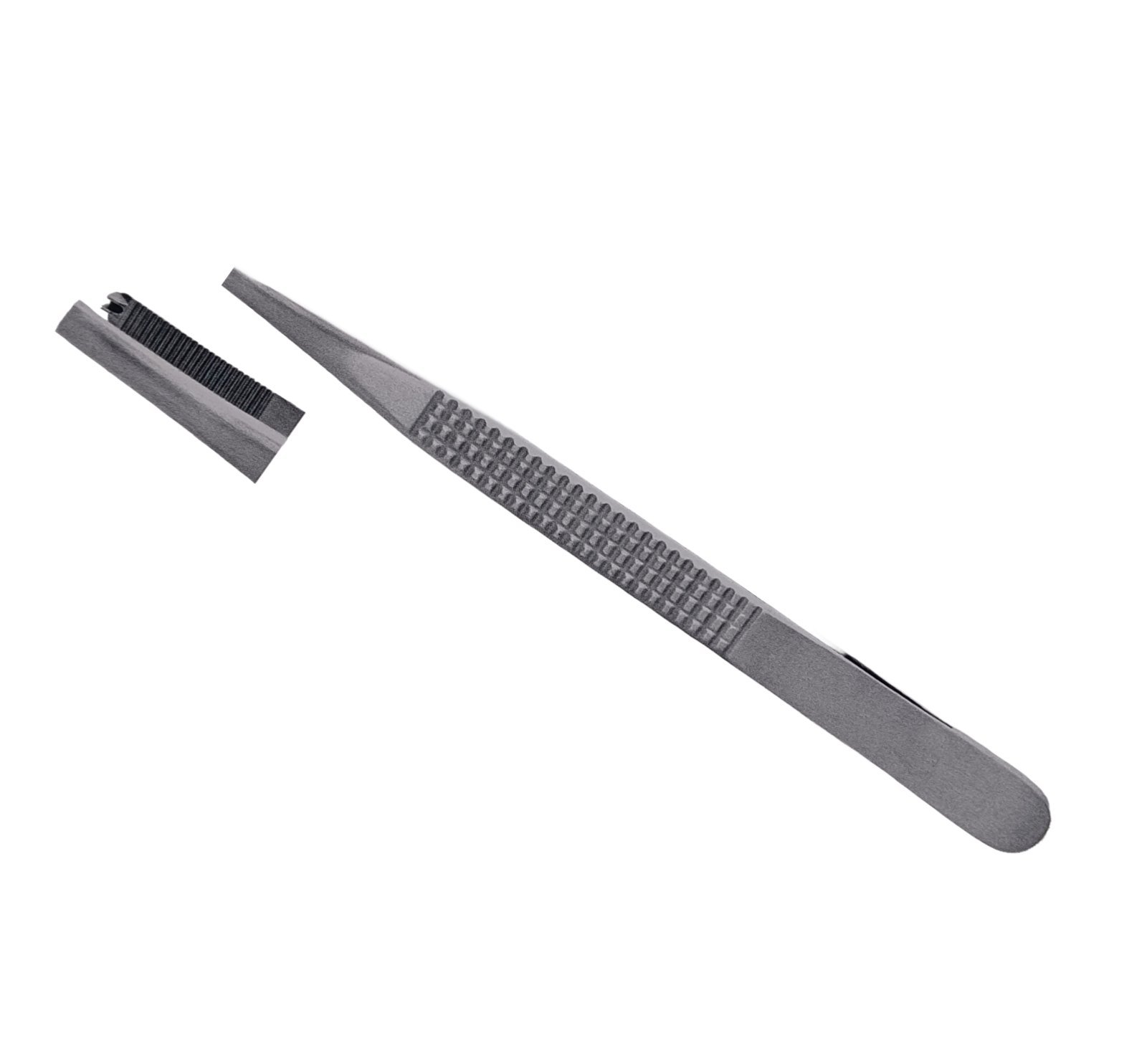
Bonney Heavy Forceps (Plain/Tooth)
All Type Forceps Original price was: ₹1,299.00.₹649.00Current price is: ₹649.00. -
Sale!
 Quick View
 -
Sale!
 Quick View
 -
Sale!
 Quick View
 -
Sale!
 Quick View
 -
Sale!
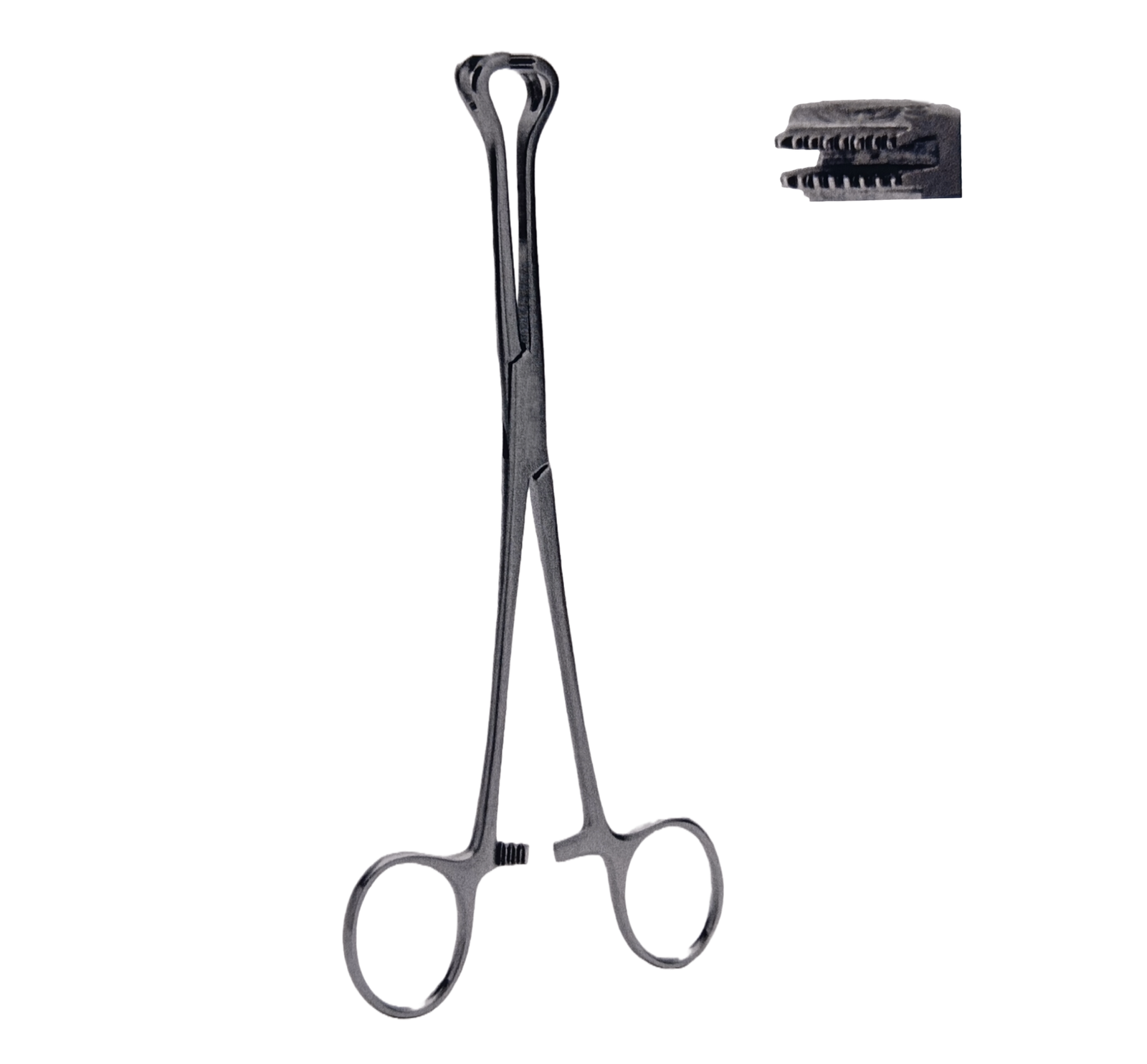 Quick View
 -
Sale!
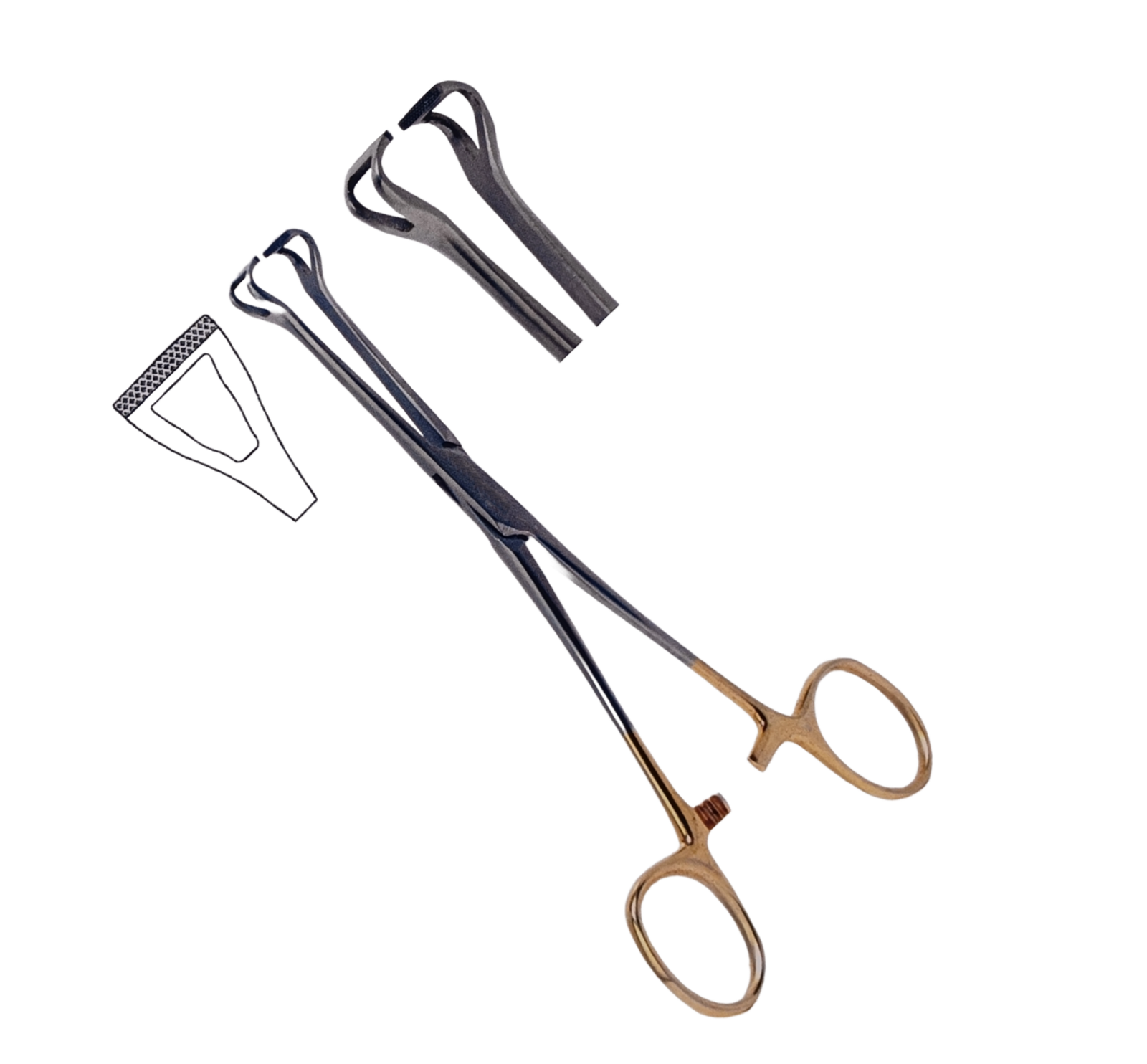
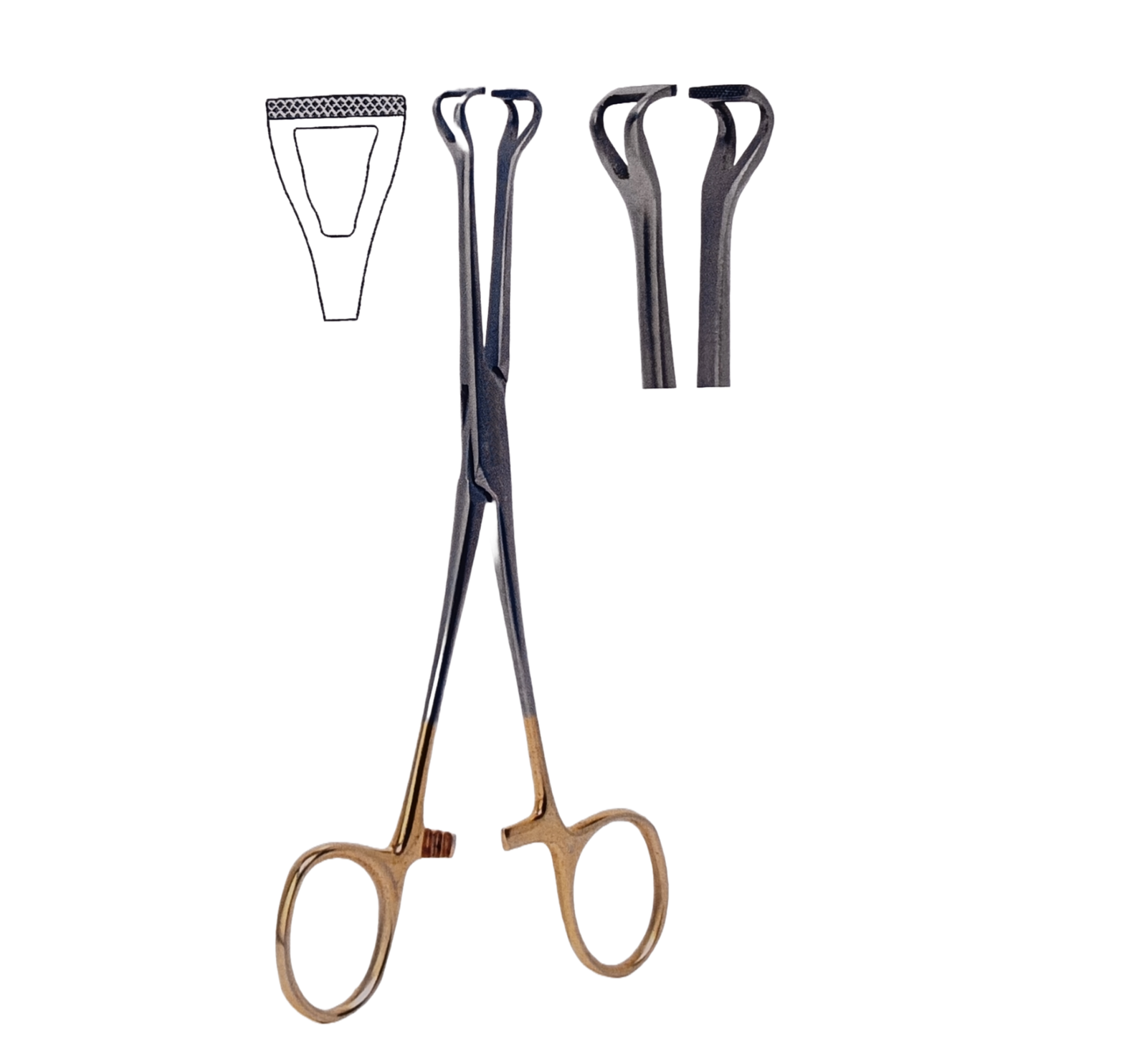 Quick View
Babcock Tissue Forceps With Tungsten Carbide Jaws
All Type Forceps Price range: ₹1,799.00 through ₹1,999.00 -
Sale!
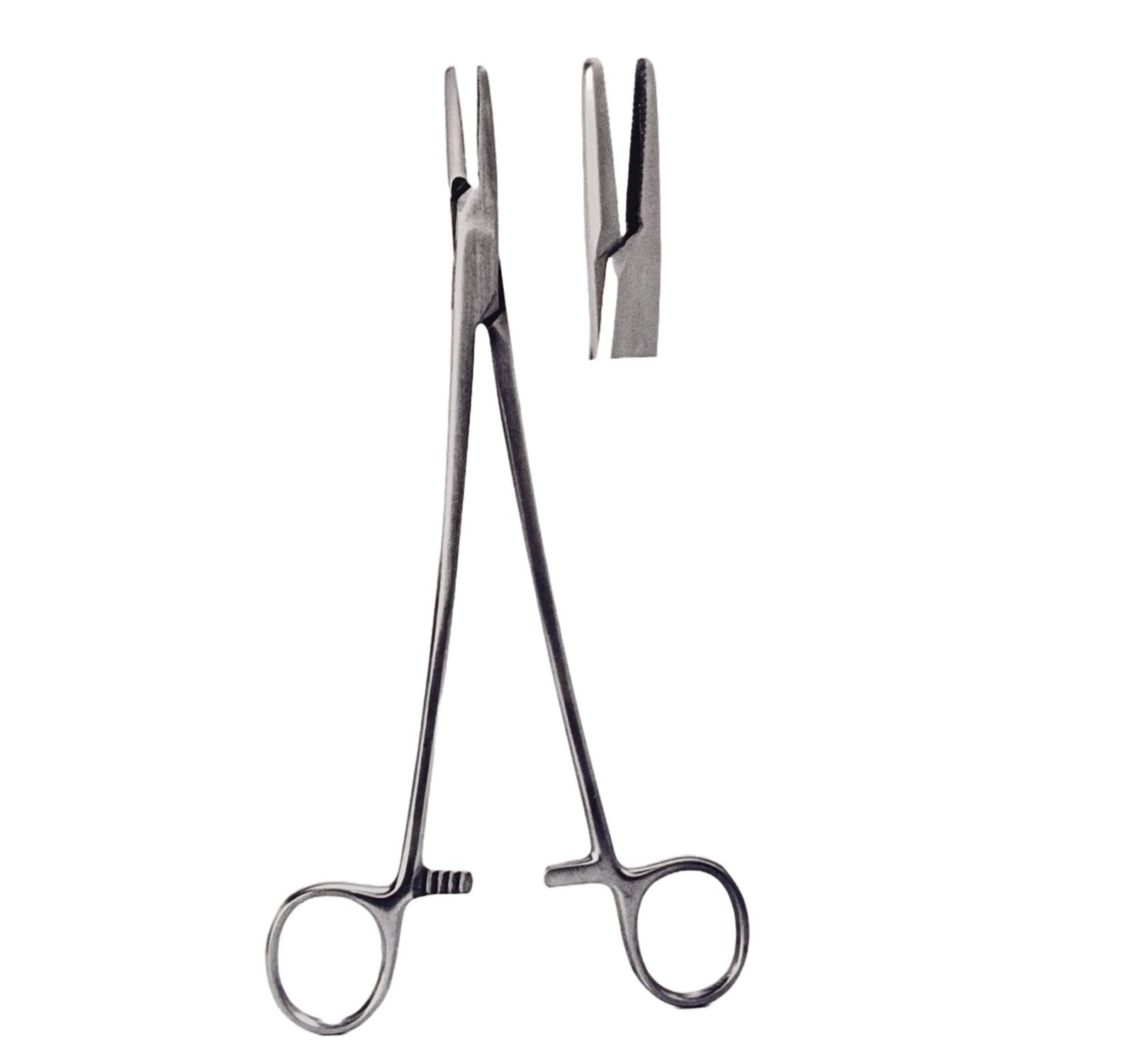
 Quick View
 -
Sale!
 Quick View
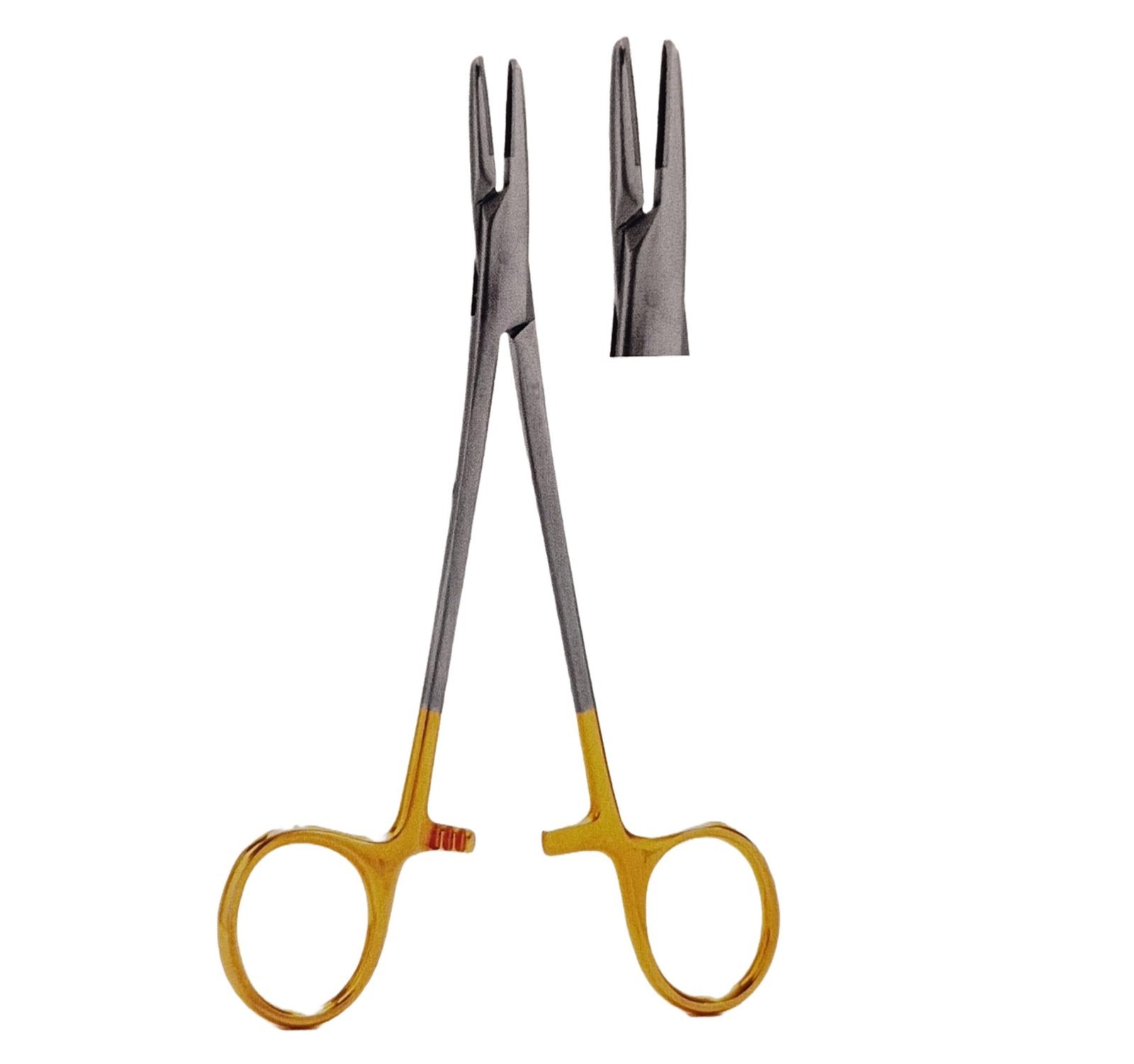
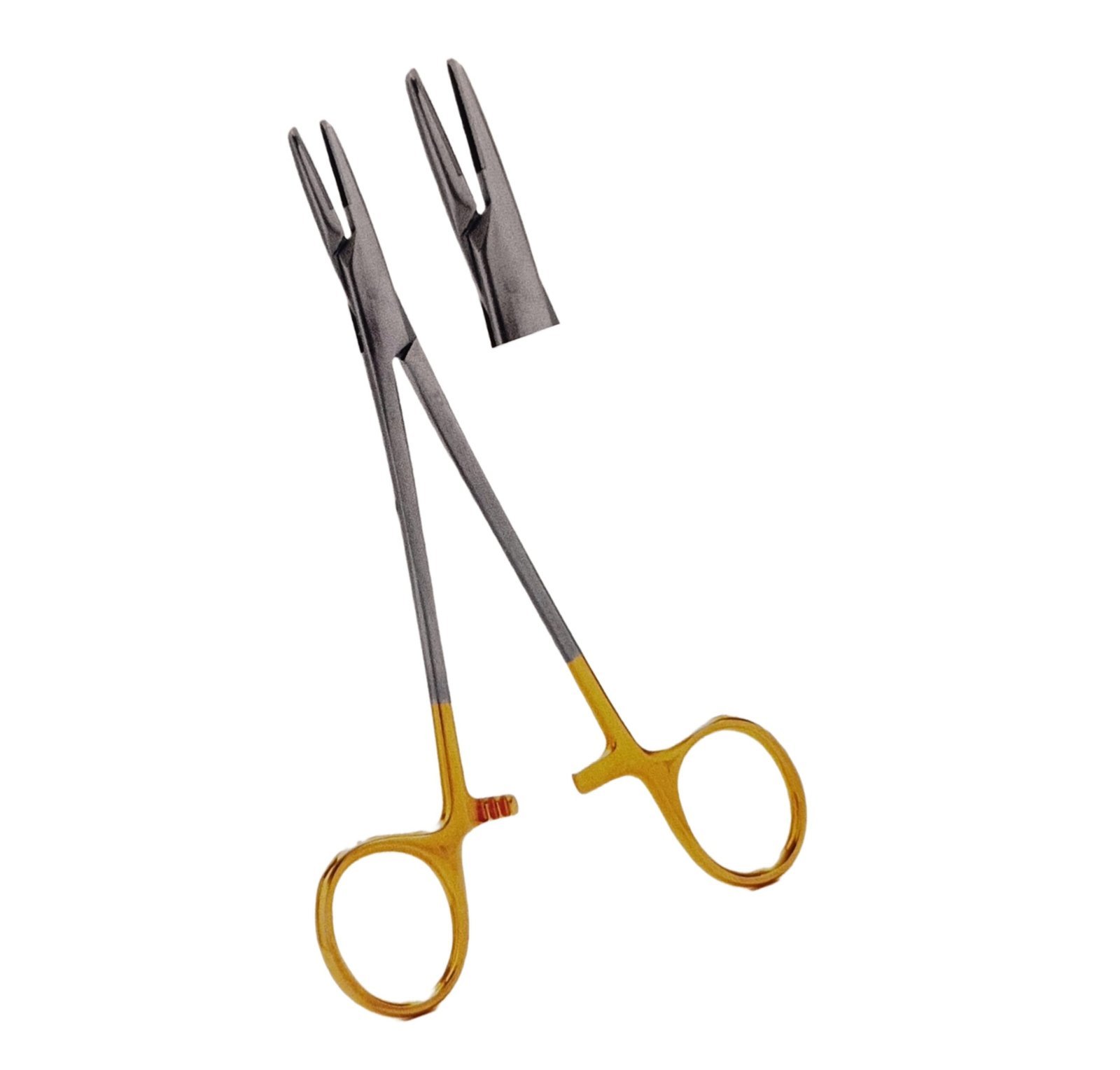
Mayo Haeger Needle Holder With Tungsten Carbide Jaws
Needle Holder Price range: ₹1,749.00 through ₹1,799.00 -
Sale!
 Quick View
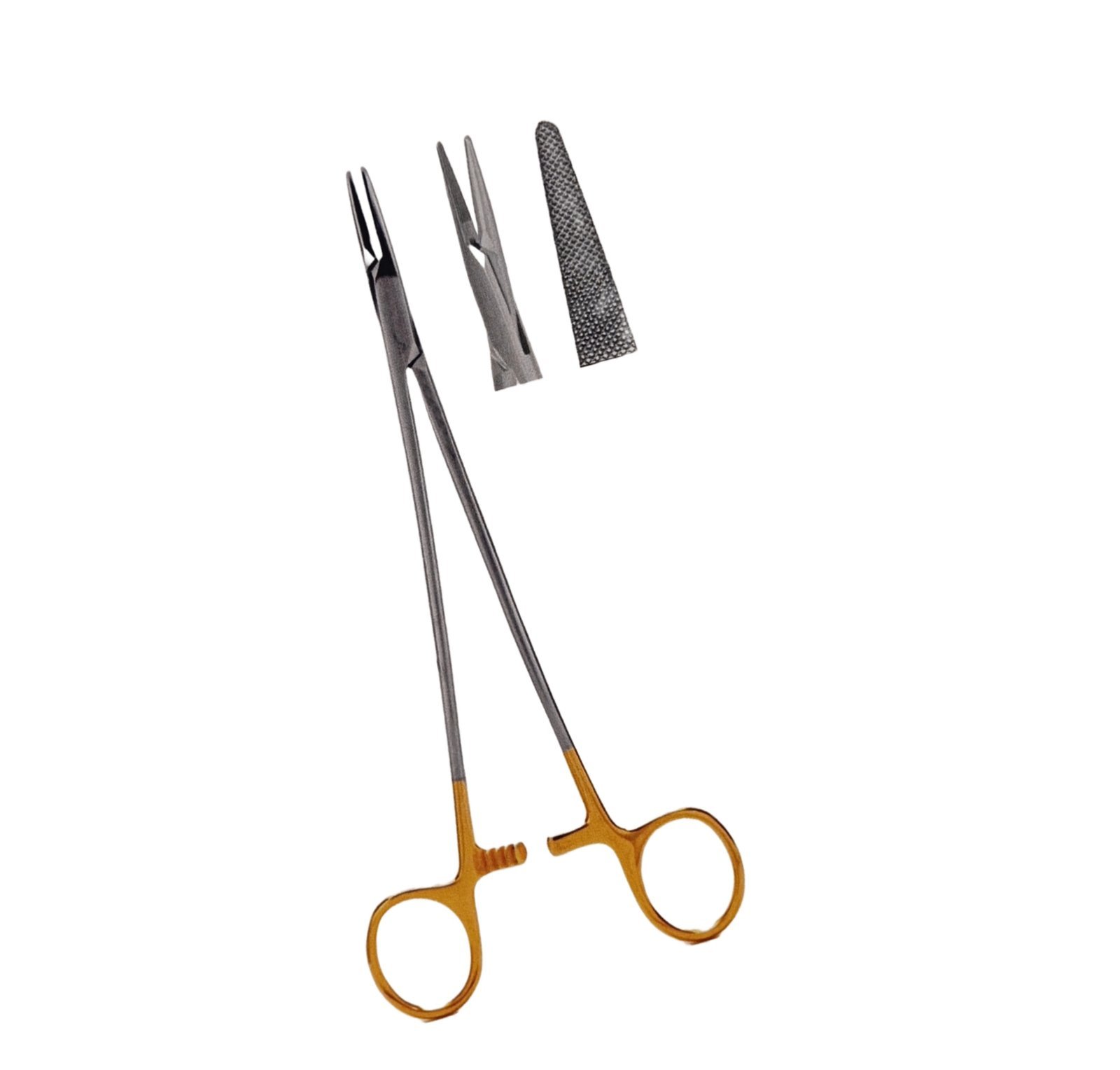
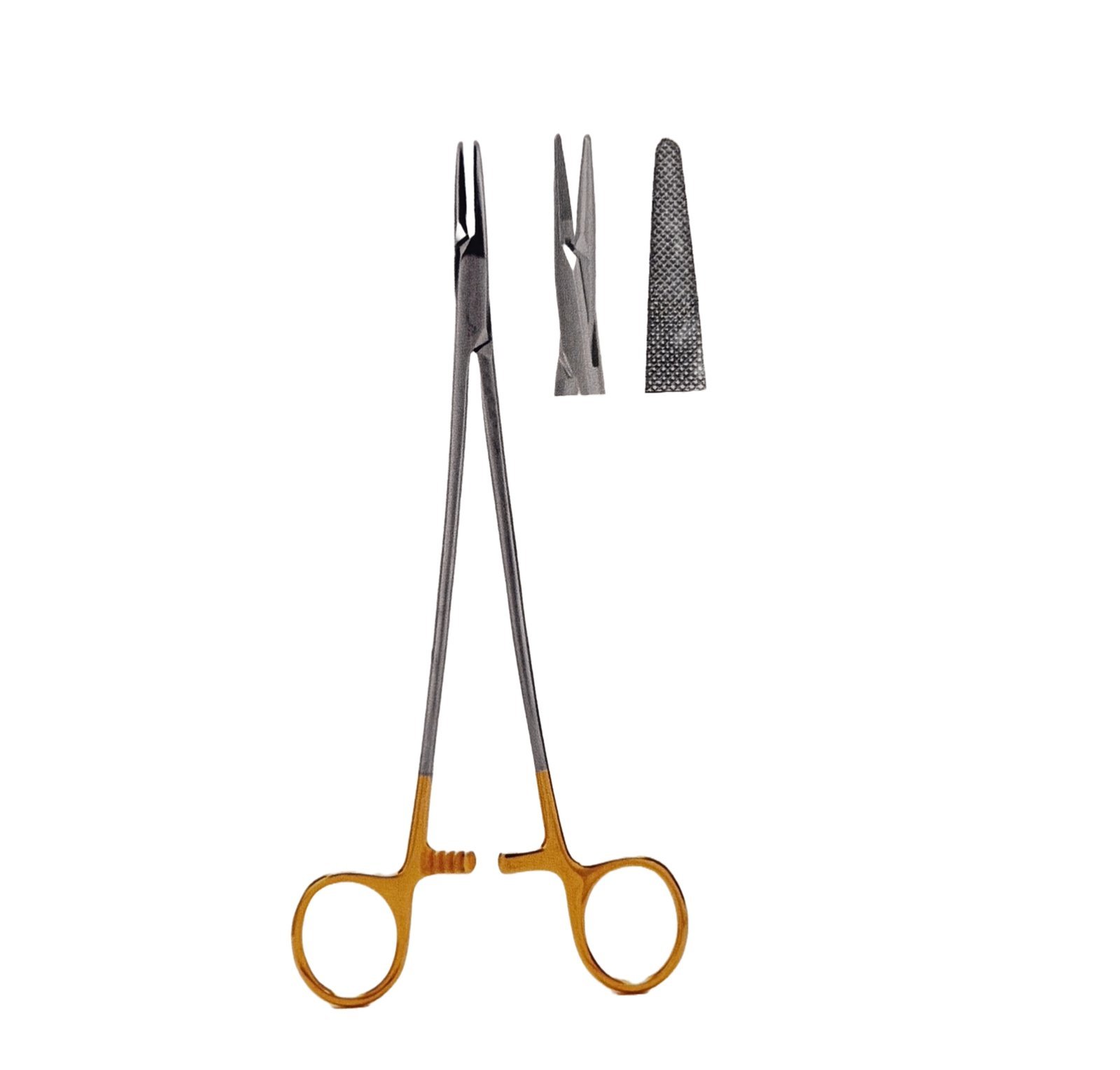
Debakey Needle Holder With Tungsten Carbide Jaws
Needle Holder Price range: ₹1,749.00 through ₹1,799.00 -
Sale!
 Quick View
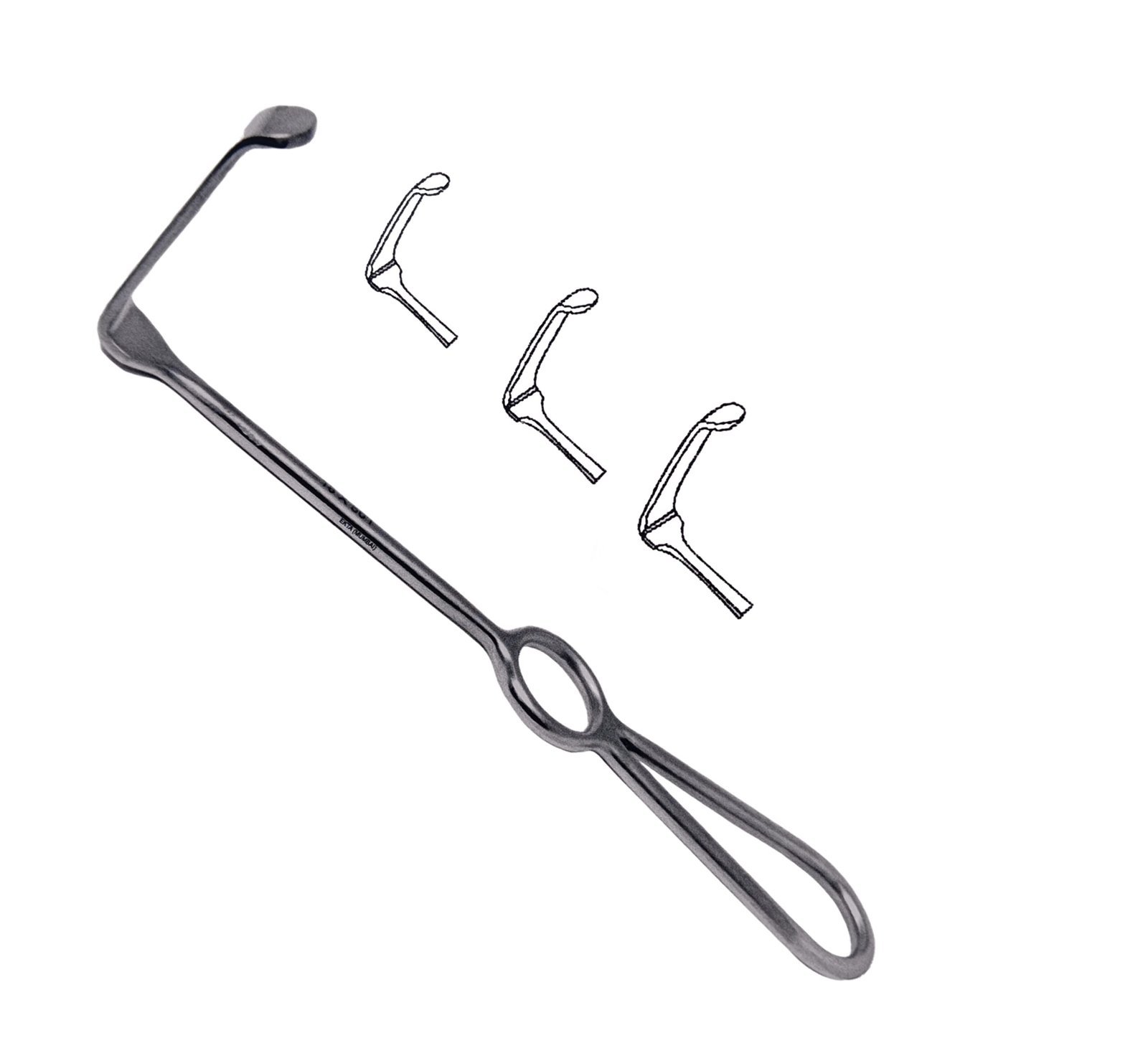
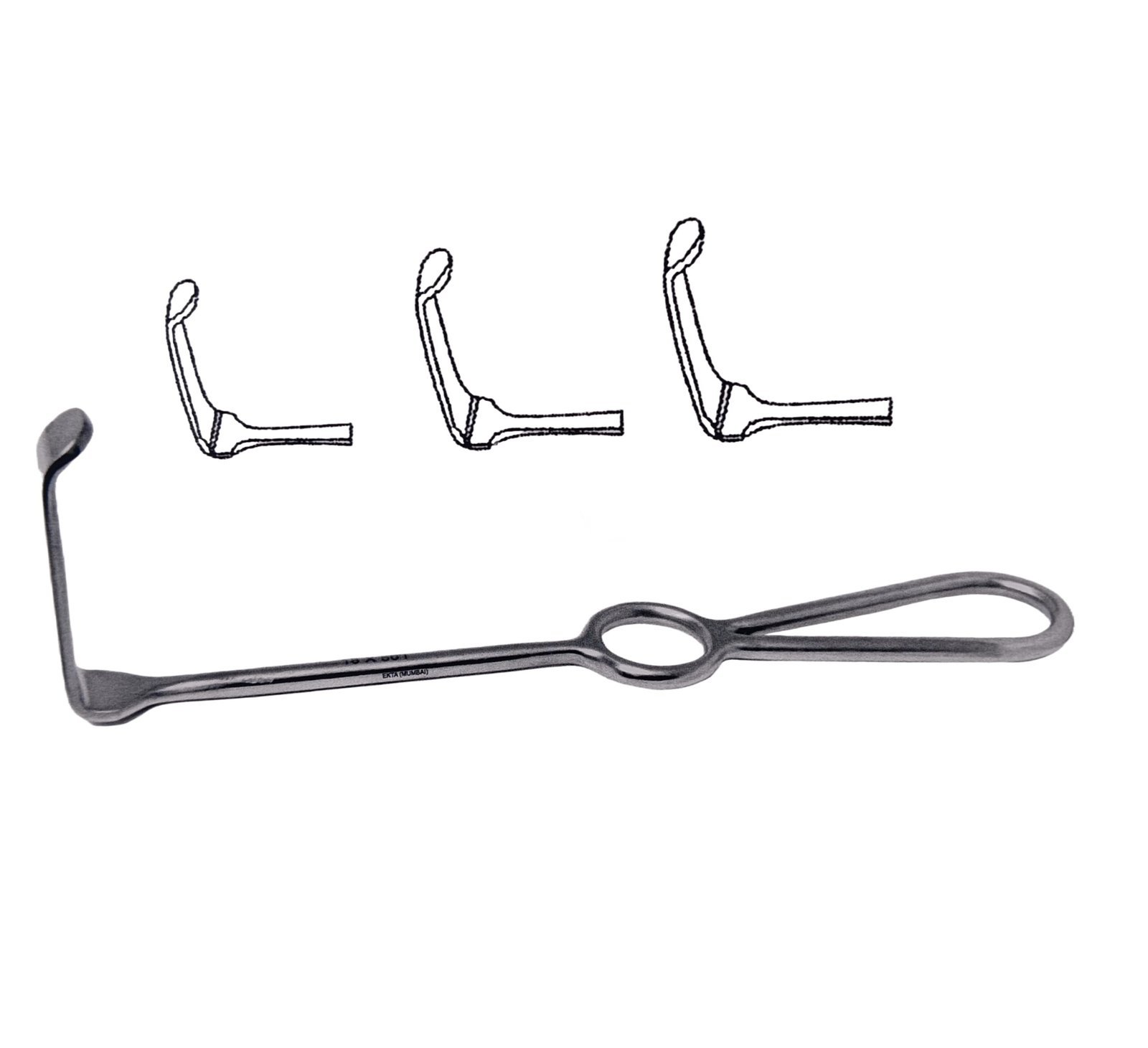
Langenback Right Angled Retractor Blade
Retracter's Original price was: ₹1,999.00.₹799.00Current price is: ₹799.00. -
Sale!
 Quick View
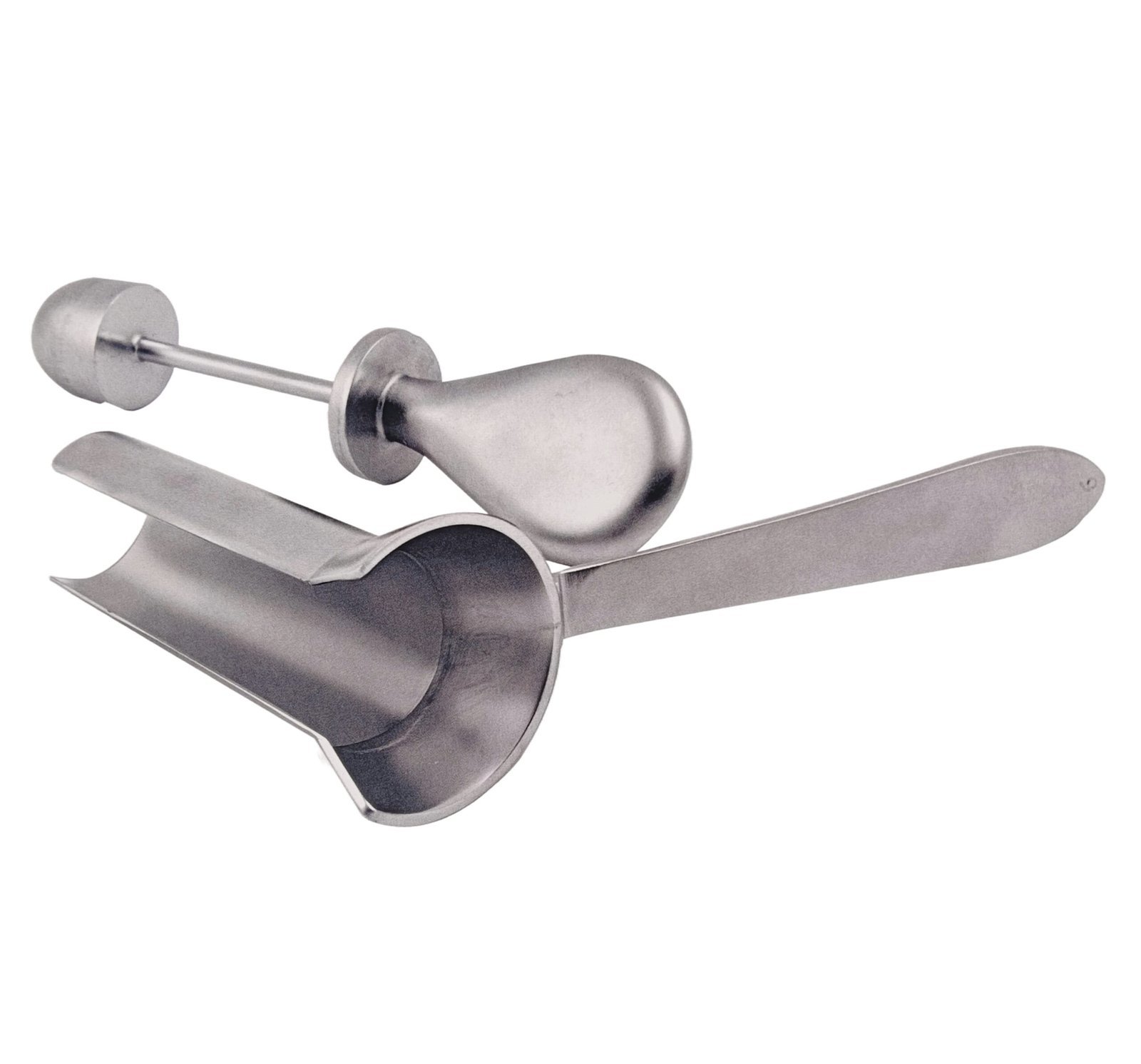
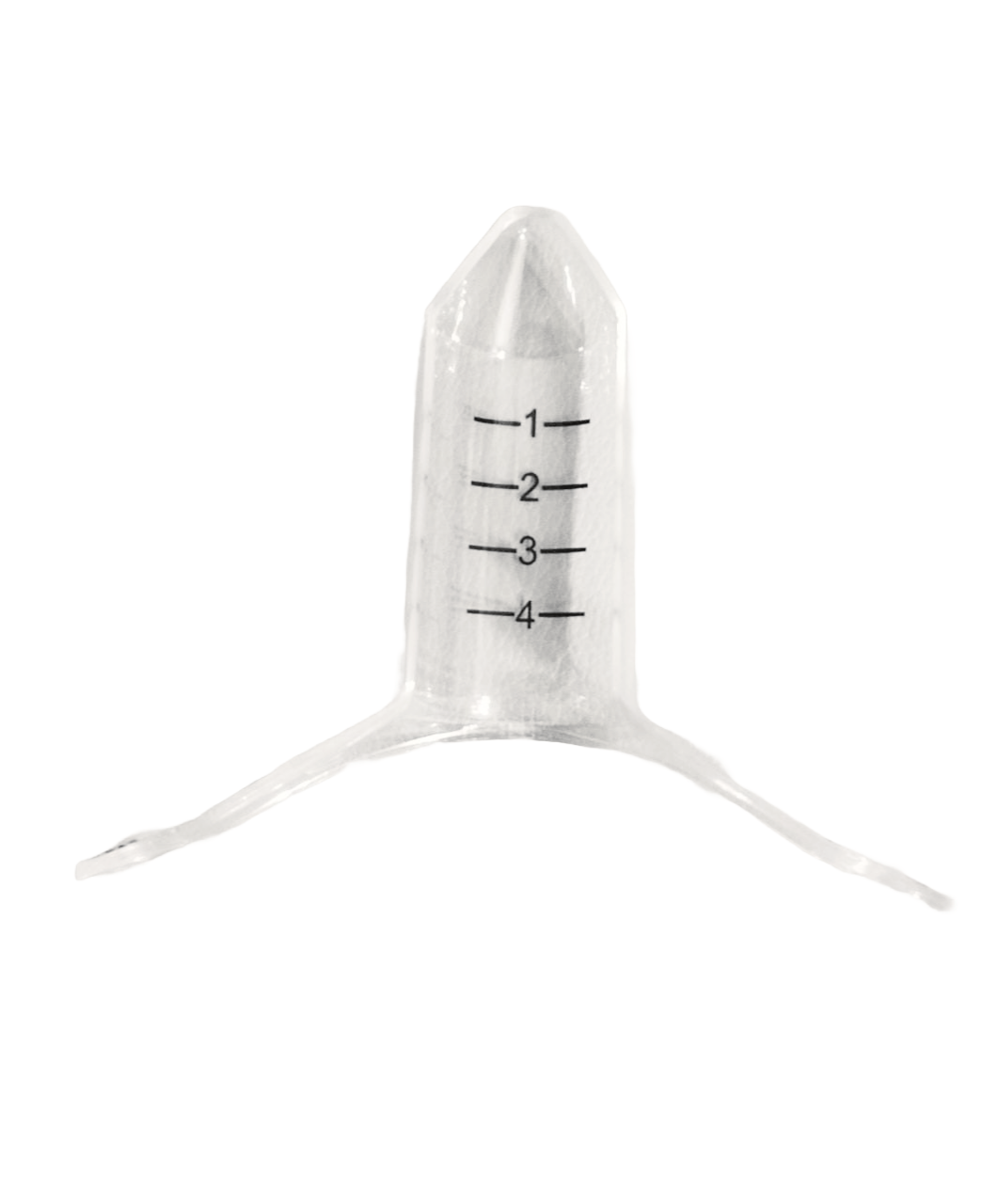
Full Cut s.s. Proctoscope
Proctology Original price was: ₹6,999.00.₹3,499.00Current price is: ₹3,499.00. -
Sale!
 Quick View
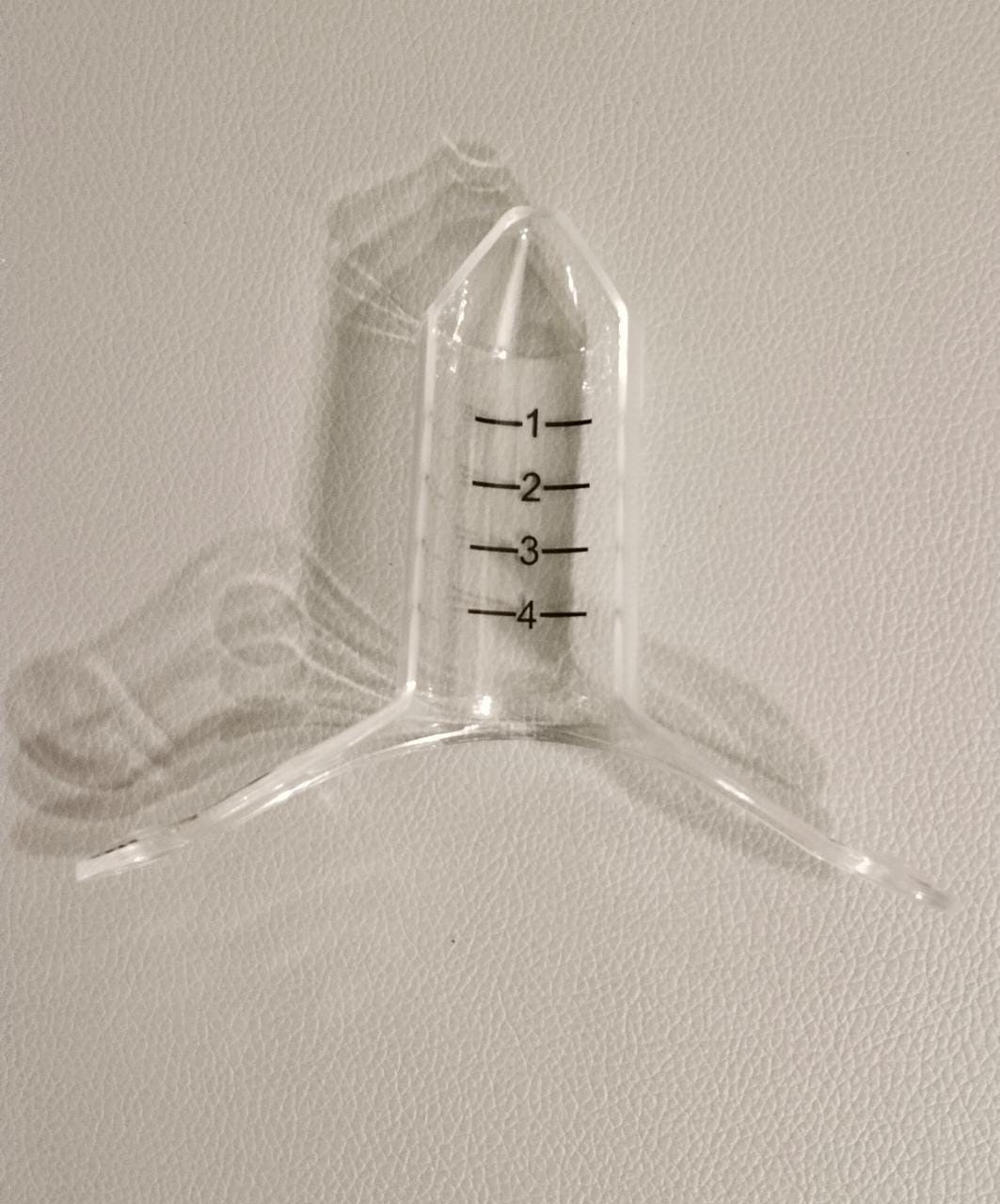
Full Cut Anoscope
Instrument's for hemorrhoids Original price was: ₹999.00.₹549.00Current price is: ₹549.00. -
Sale!
 Quick View
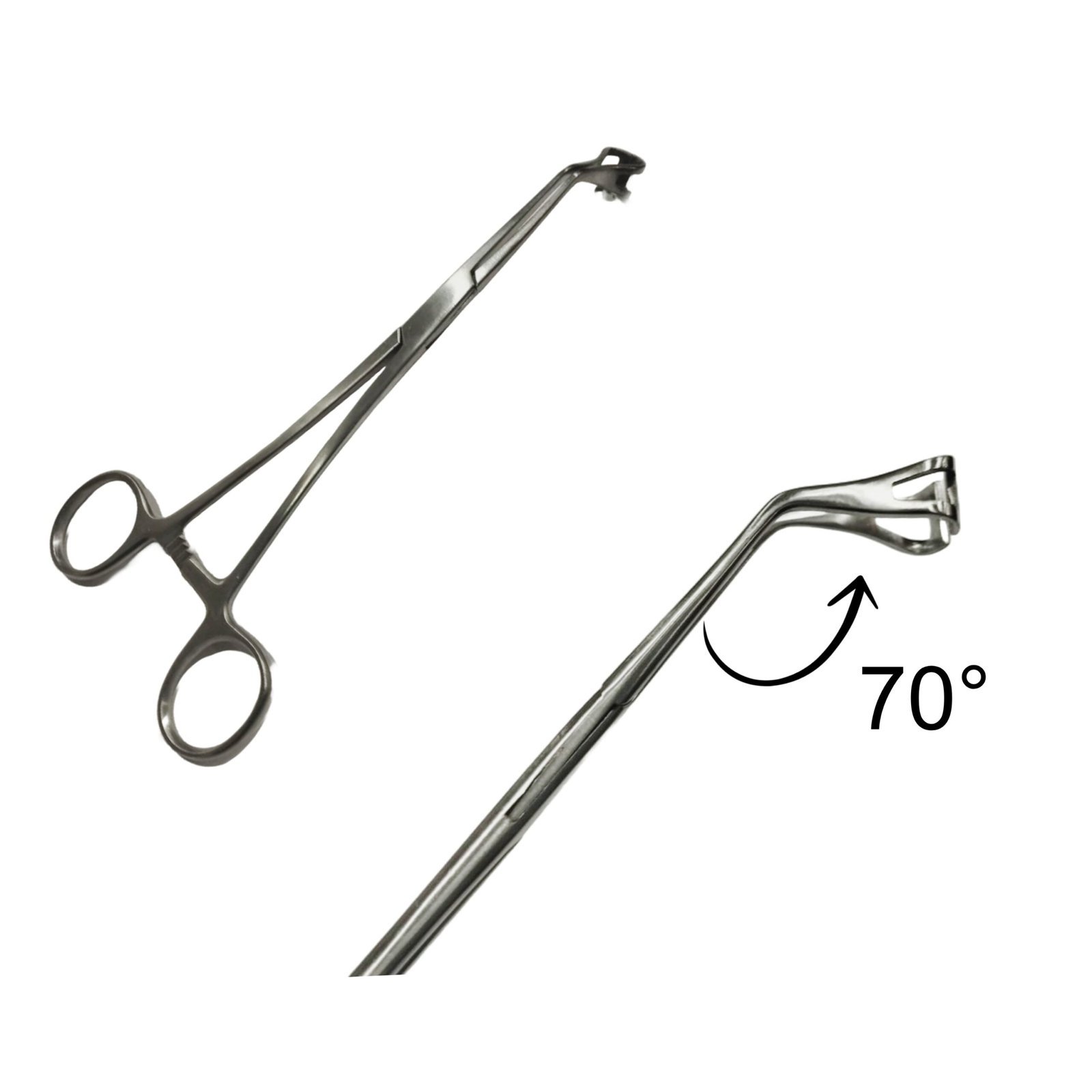
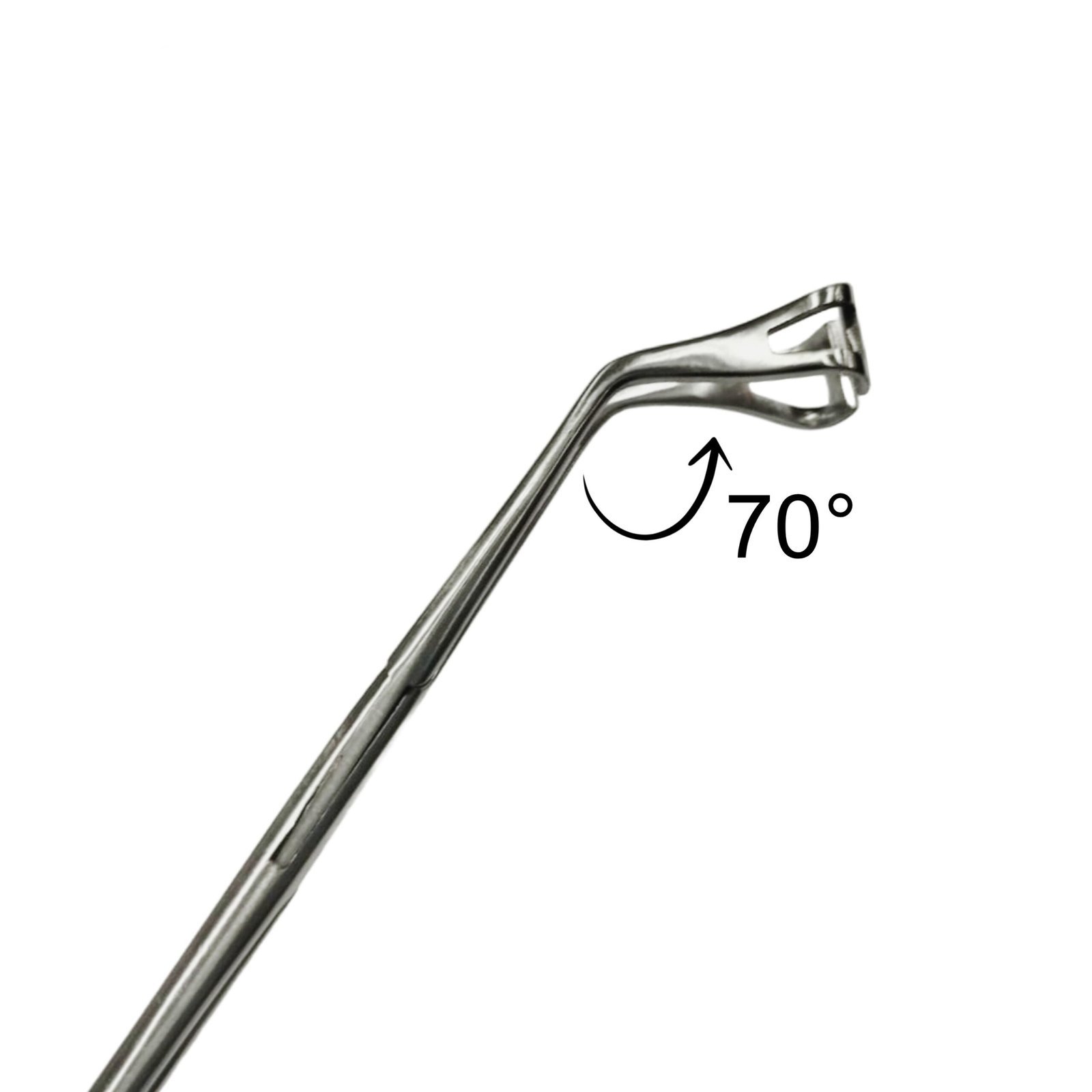
Babcock Tissue Forceps (Newly designed by Dr. O. P. Bhandari) 7 inch
All Type Forceps Original price was: ₹1,999.00.₹1,199.00Current price is: ₹1,199.00.
Milligan-Morgan hemorrhoidectomy: a detailed explanation
The Milligan-Morgan hemorrhoidectomy is a common surgical technique for removing hemorrhoids, particularly effective for symptomatic Grade III and IV cases. This procedure involves the excision of hemorrhoidal tissue while carefully preserving the underlying anoderm (skin of the anal canal) and sphincter muscles to avoid complications.
Procedure steps
- Preparation:
- Diagnosis and assessment are confirmed with patient evaluation, including anoscopy or proctoscopy.
- Anesthesia, typically general or regional, is administered.
- Bowel preparation is performed the night before.
- The patient is positioned for surgical access.
- Surgical procedure:
- An anal retractor is used to expose hemorrhoidal tissue.
- The hemorrhoidal mass is grasped with forceps and outlined with a surgical marker.
- The tissue is excised with an elliptical incision, avoiding sphincter muscles.
- Bleeding is controlled using electrocautery or ligation.
- Traditionally, the wound is left open to heal (open hemorrhoidectomy), though partial closure may be considered.
- A final check for bleeding is done.
- Post-operative care:
- Pain medication and laxatives are prescribed.
- Sitz baths are recommended for hygiene and healing.
- Follow-up appointments are scheduled to monitor recovery.
Potential risks and benefits
Benefits
- High success rate in relieving symptoms.
- Effective for both internal and external hemorrhoids.
- Well-established technique.
Risks
- Post-operative pain is common and can be severe.
- Healing can be prolonged.
- Potential for complications like bleeding, infection, and anal stenosis.
Recovery time
Recovery typically takes 2 to 4 weeks. Pain usually subsides within 2 weeks, but strenuous activities may require 6 to 8 weeks before resuming. Recovery may be longer if complications occur.
Note: Some studies suggest continuous wound drainage might reduce pain and improve healing, but further research is needed.
This is for informational purposes only. For medical advice or a diagnosis, consult a professional. AI responses may include mistakes. Learn more