
-
Sale!
 Quick View
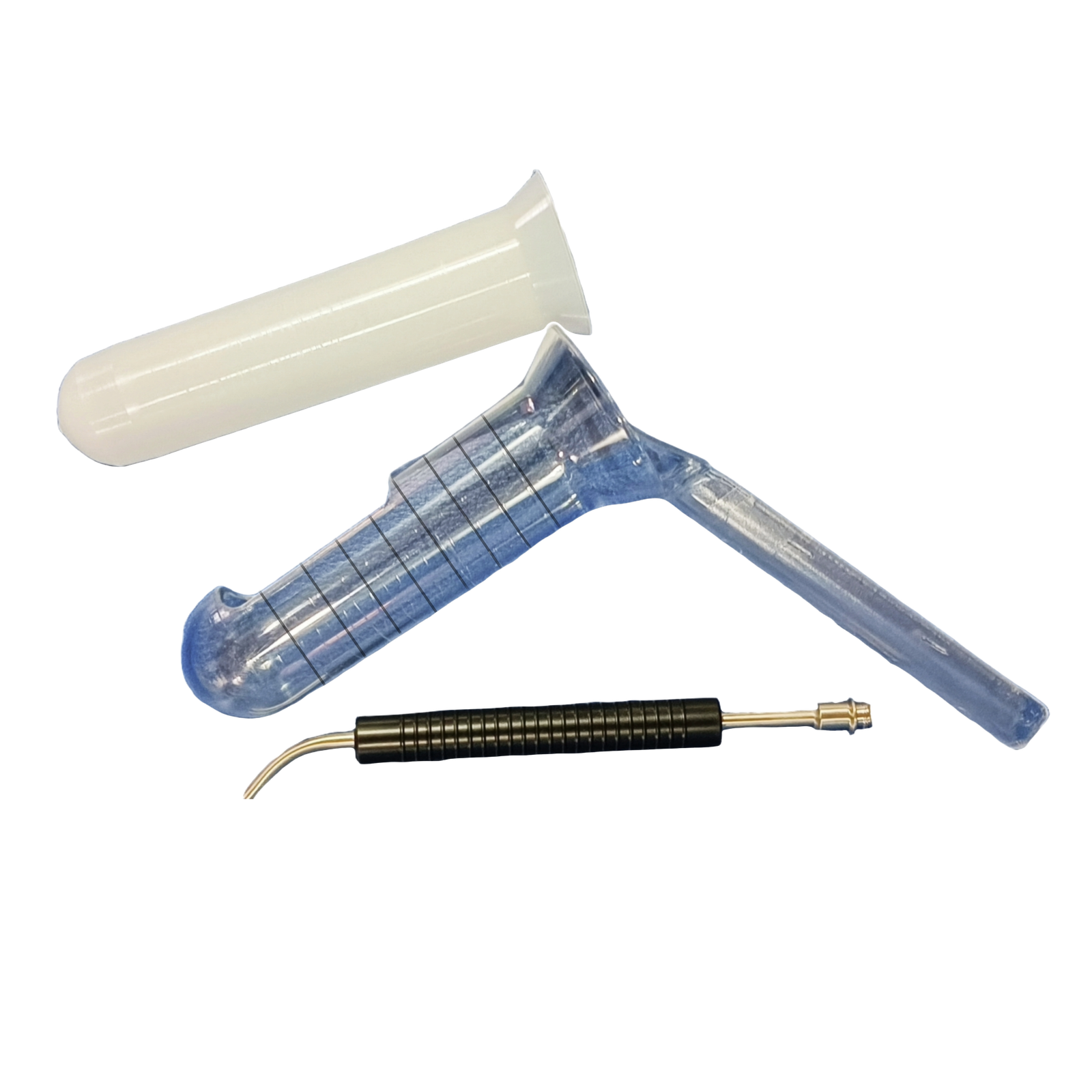
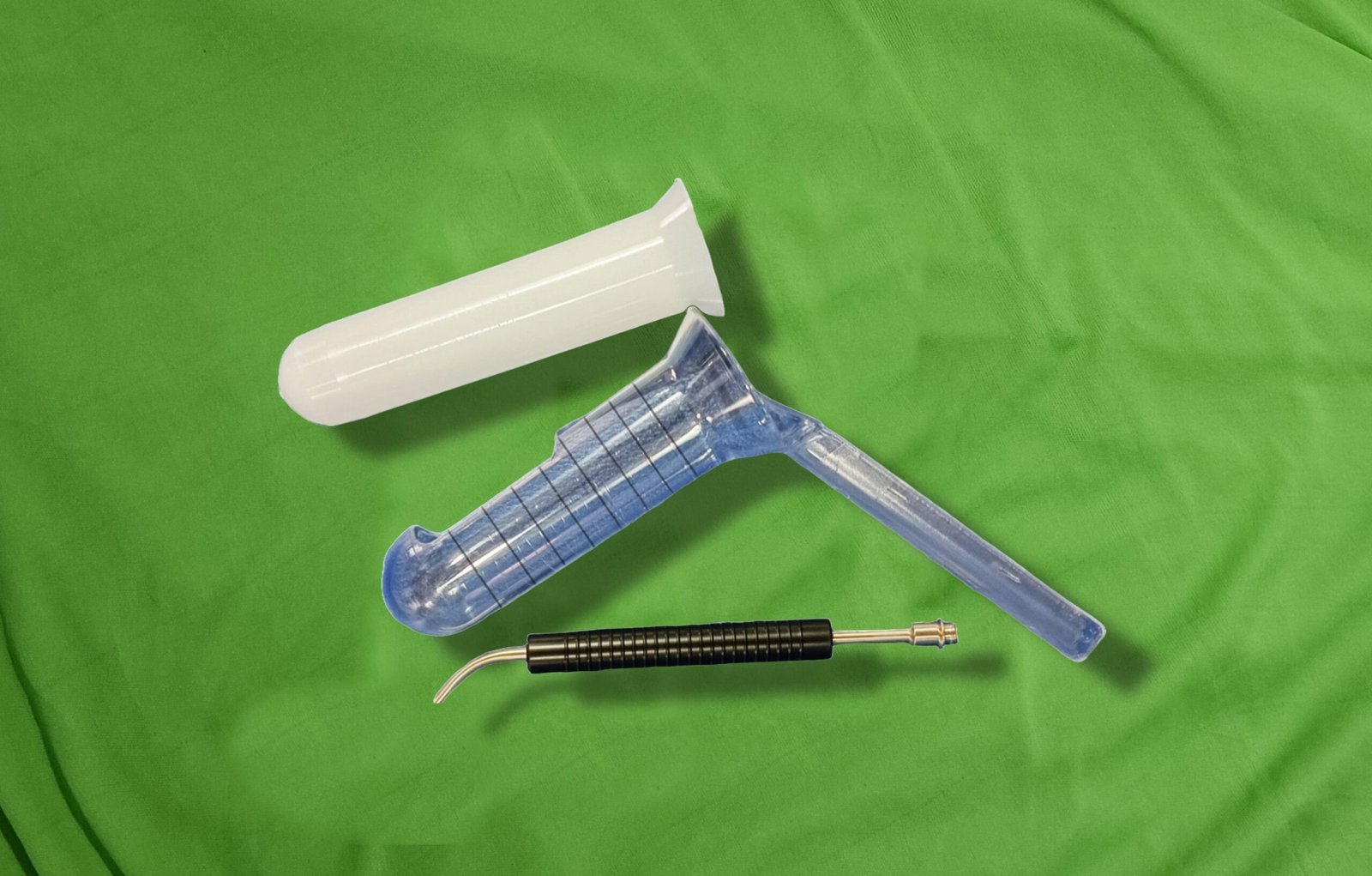
Dr. Chivate’s Proctoscope With Fibre Optic Light Source Candle
Proctology Original price was: ₹14,999.00.₹5,999.00Current price is: ₹5,999.00. -
Sale!
 Quick View
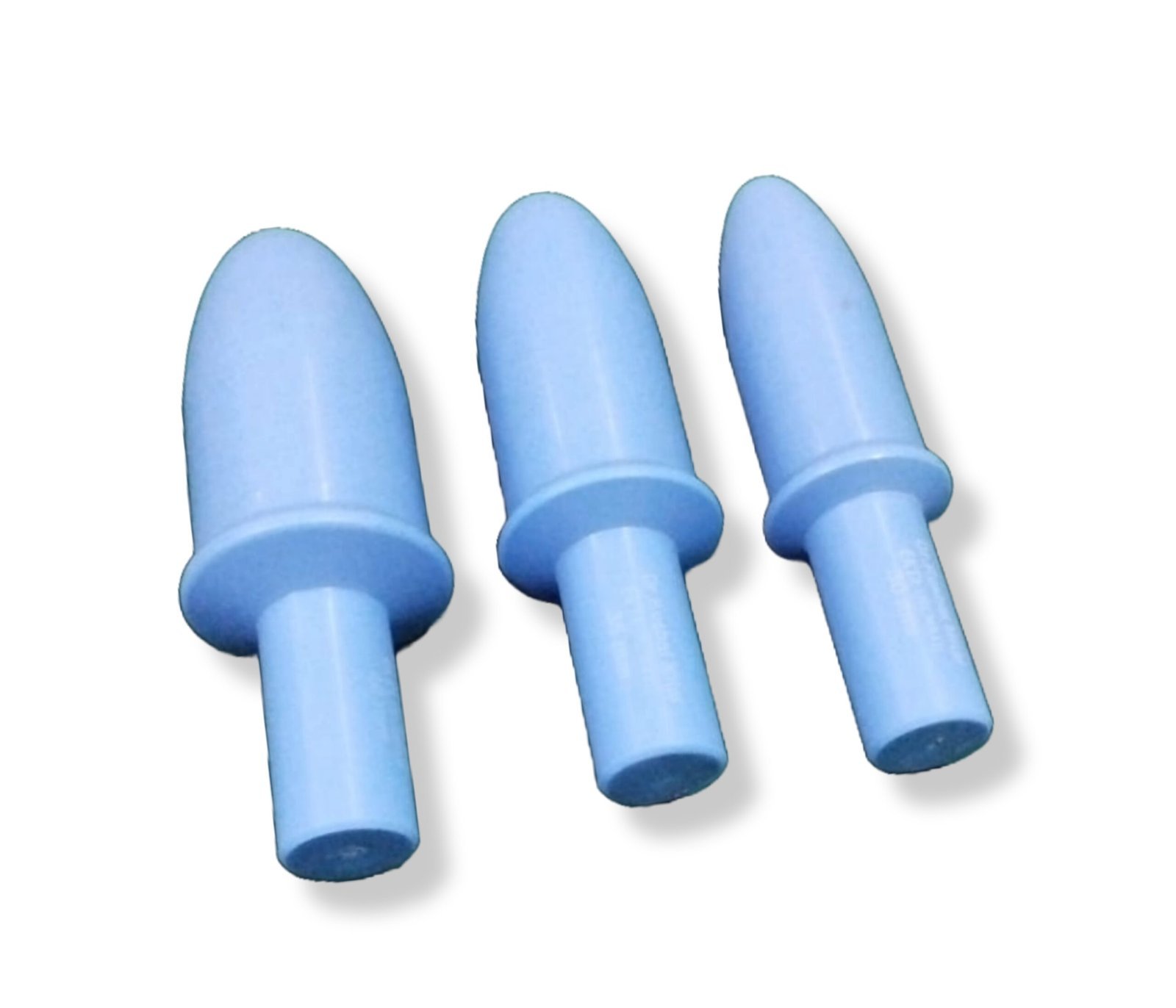
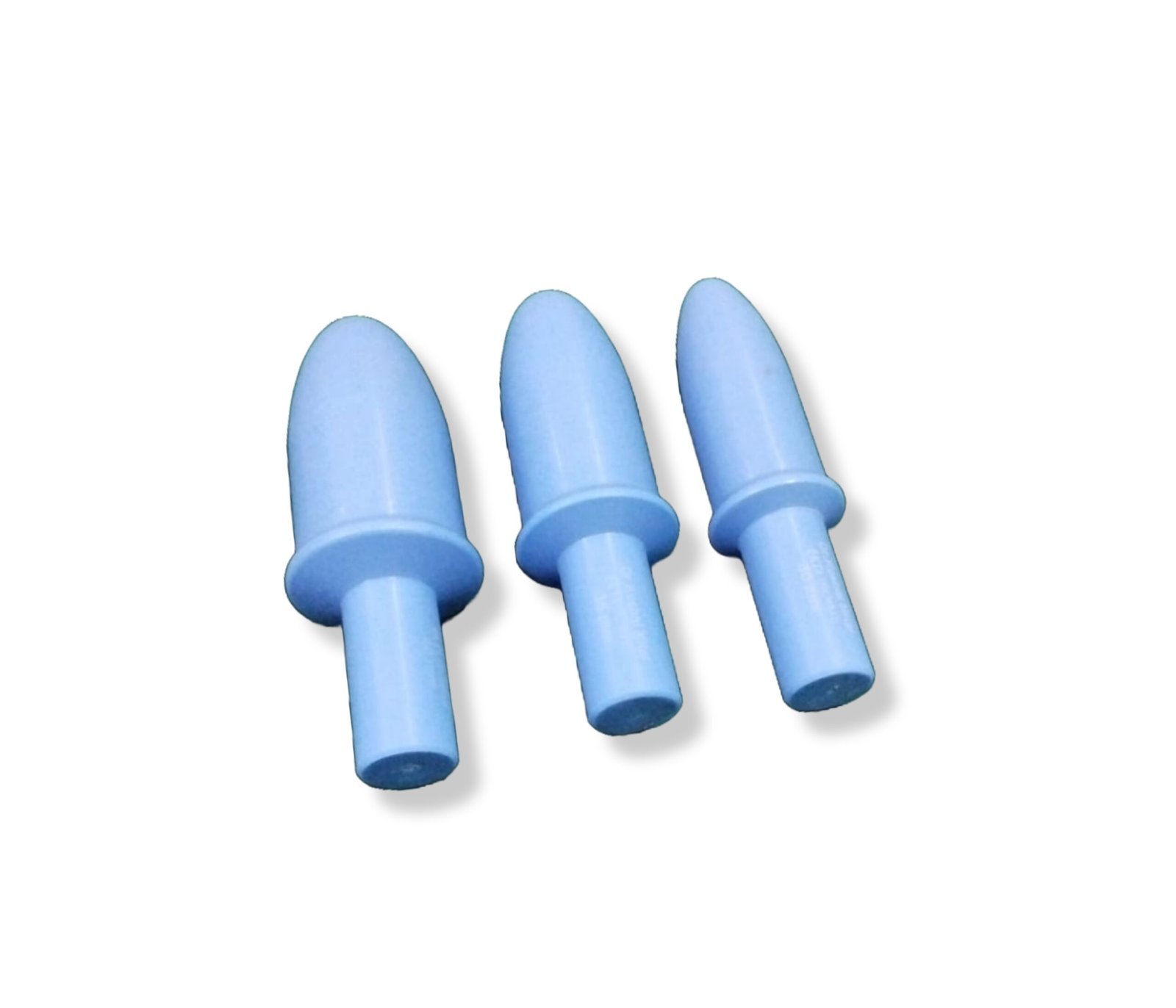
Dr Kushal Mittal’s Dilator Set of 3 Piece’s
Instrument's for hemorrhoids Original price was: ₹4,999.00.₹3,499.00Current price is: ₹3,499.00. -
Sale!
 Quick View
 -
Sale!
 Quick View
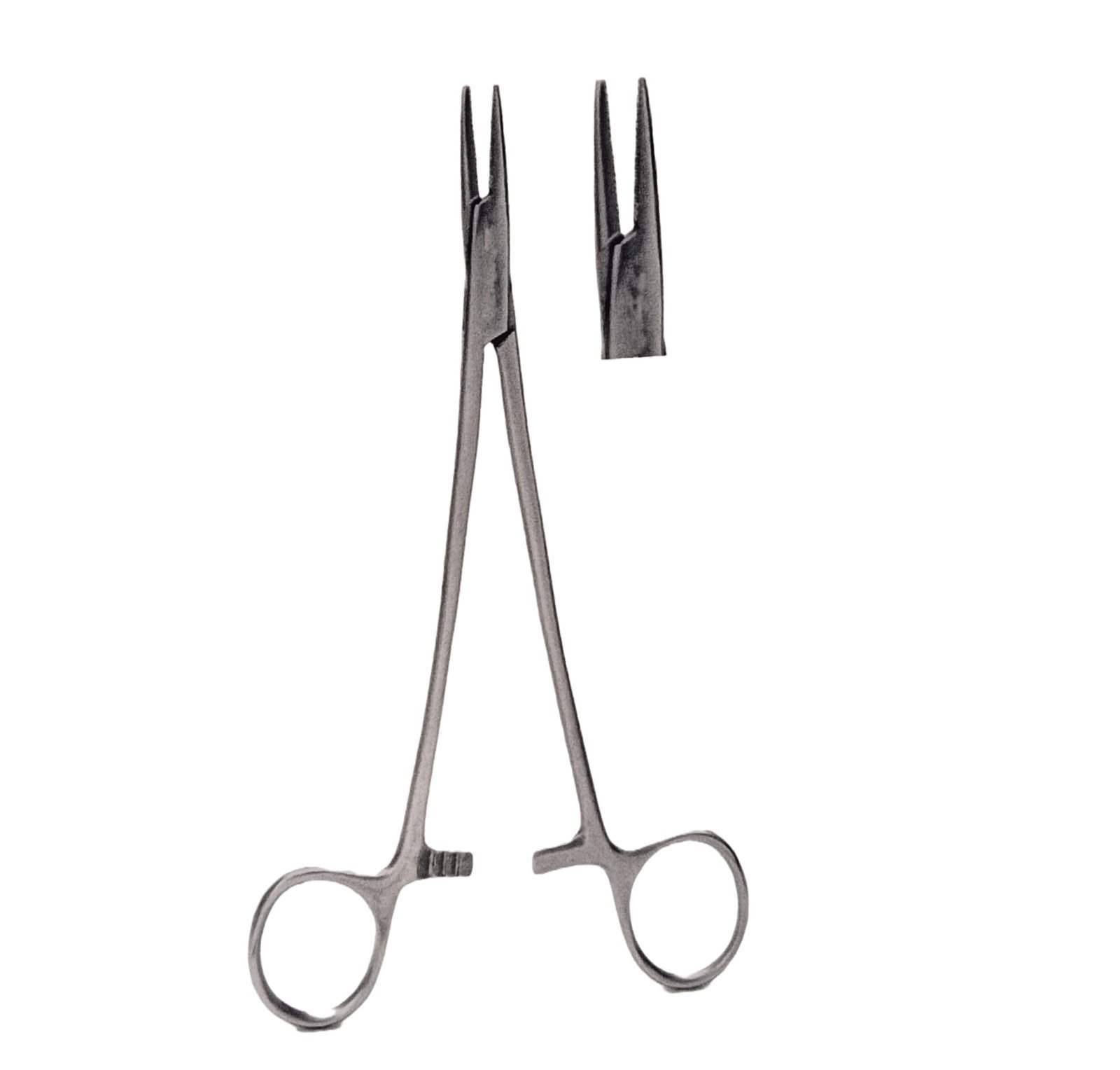
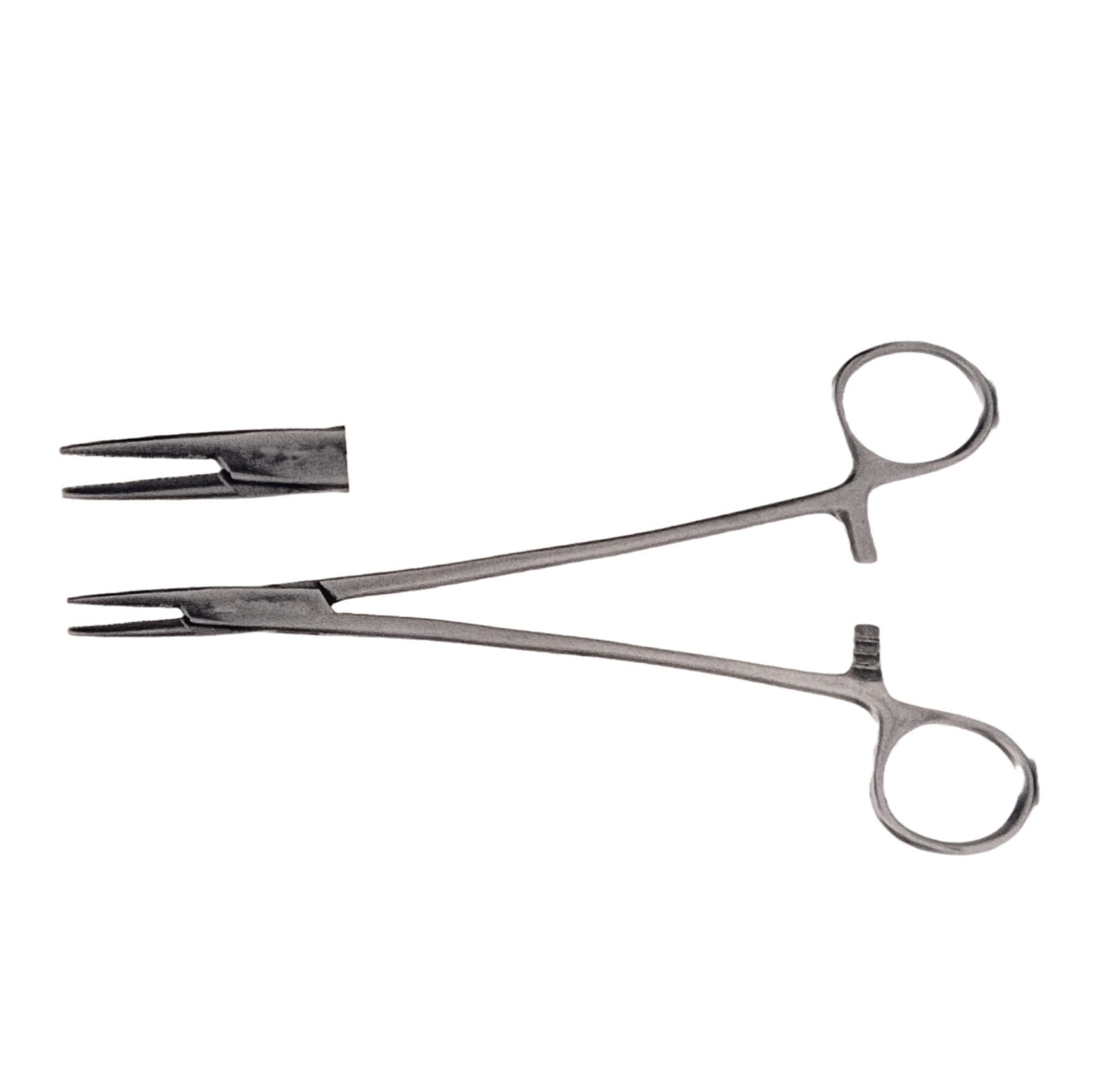
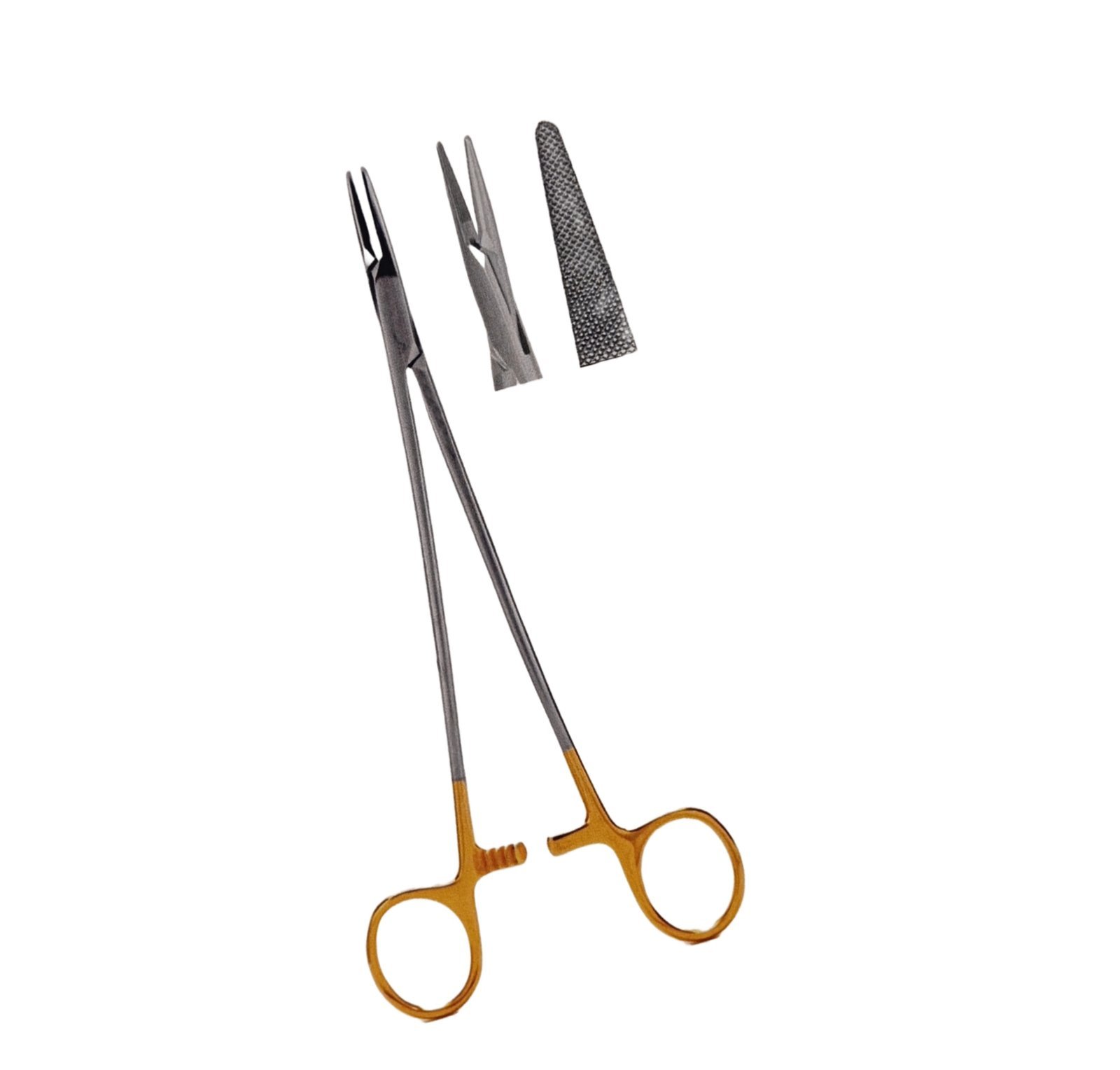
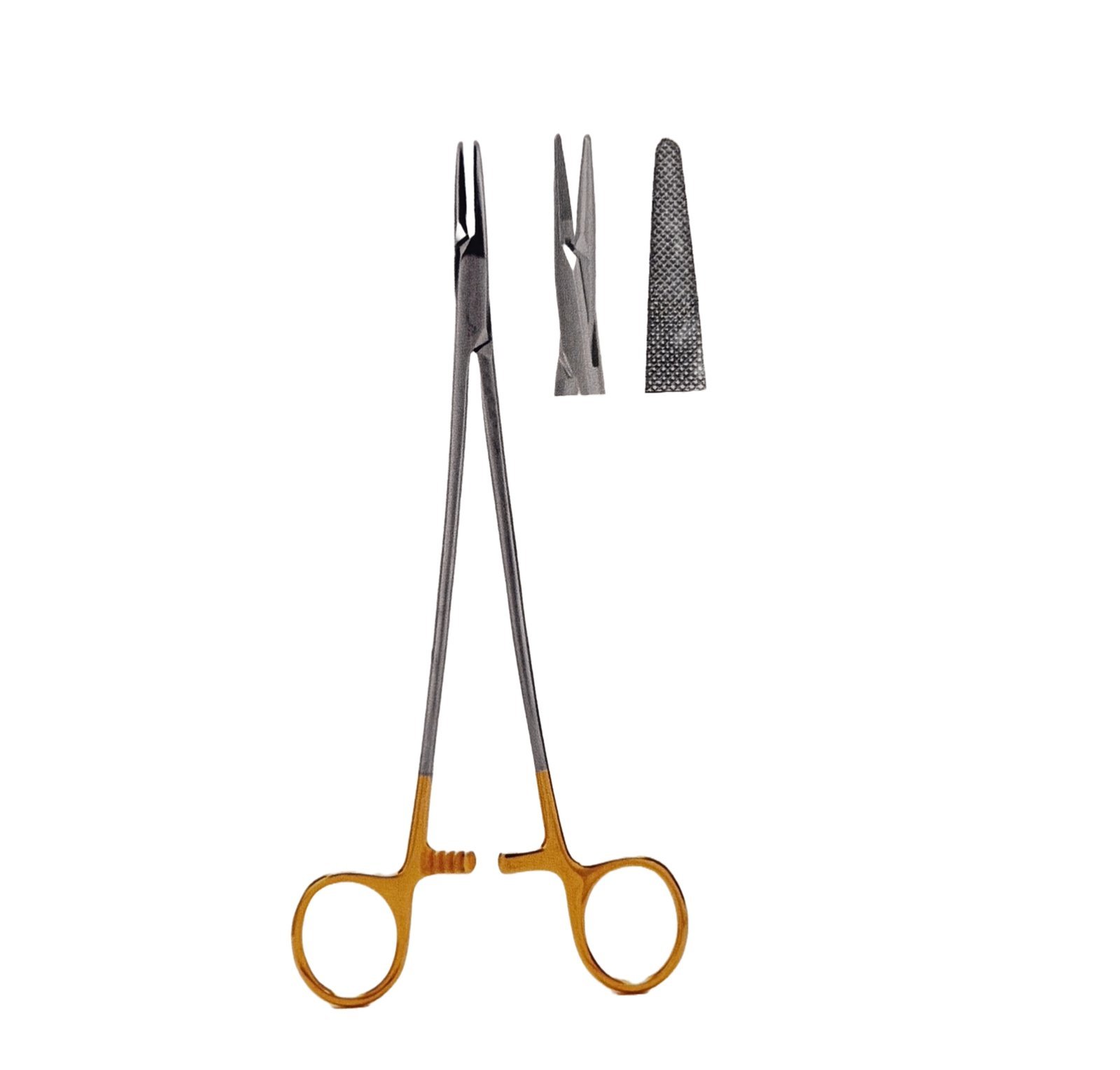
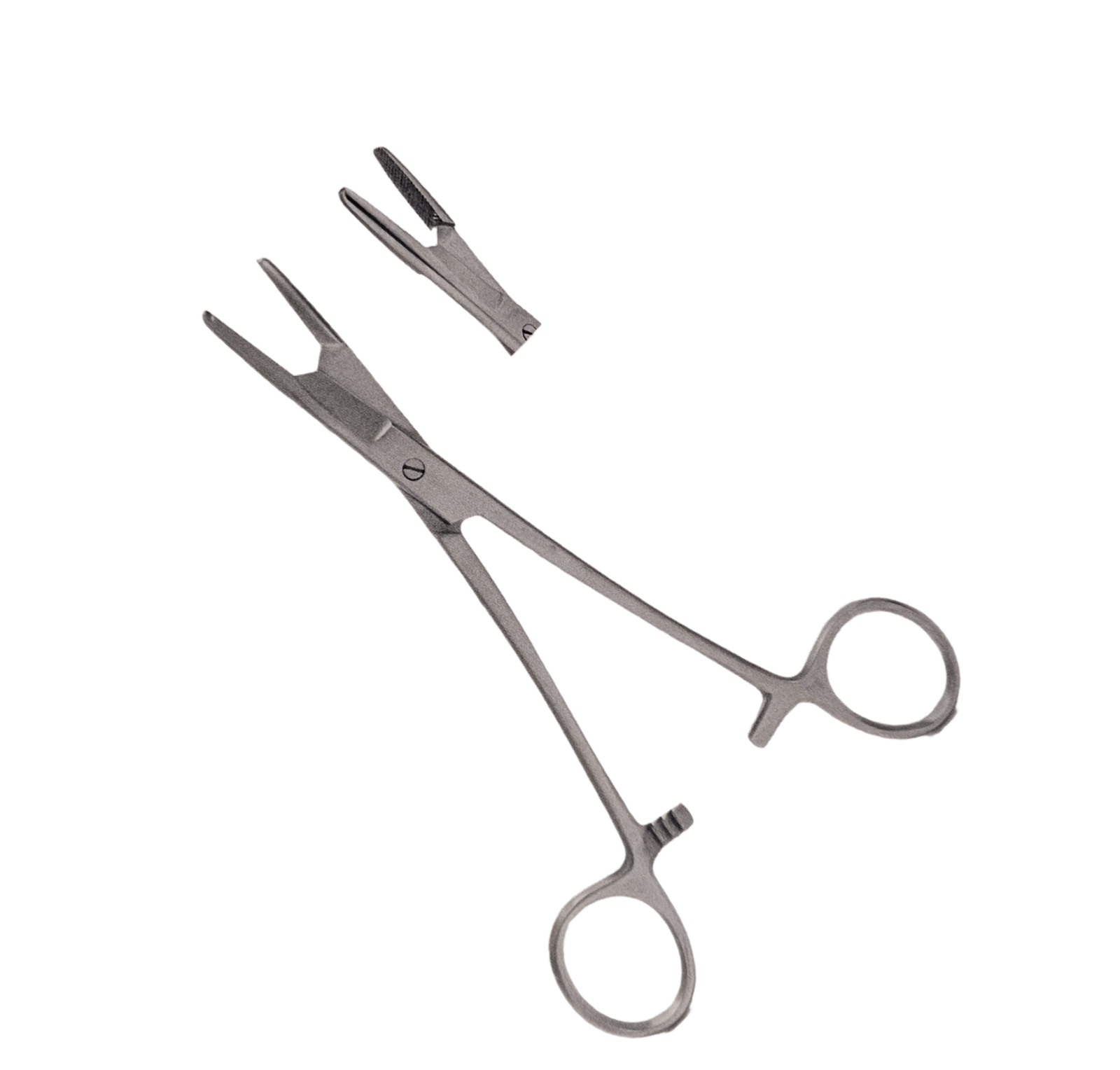
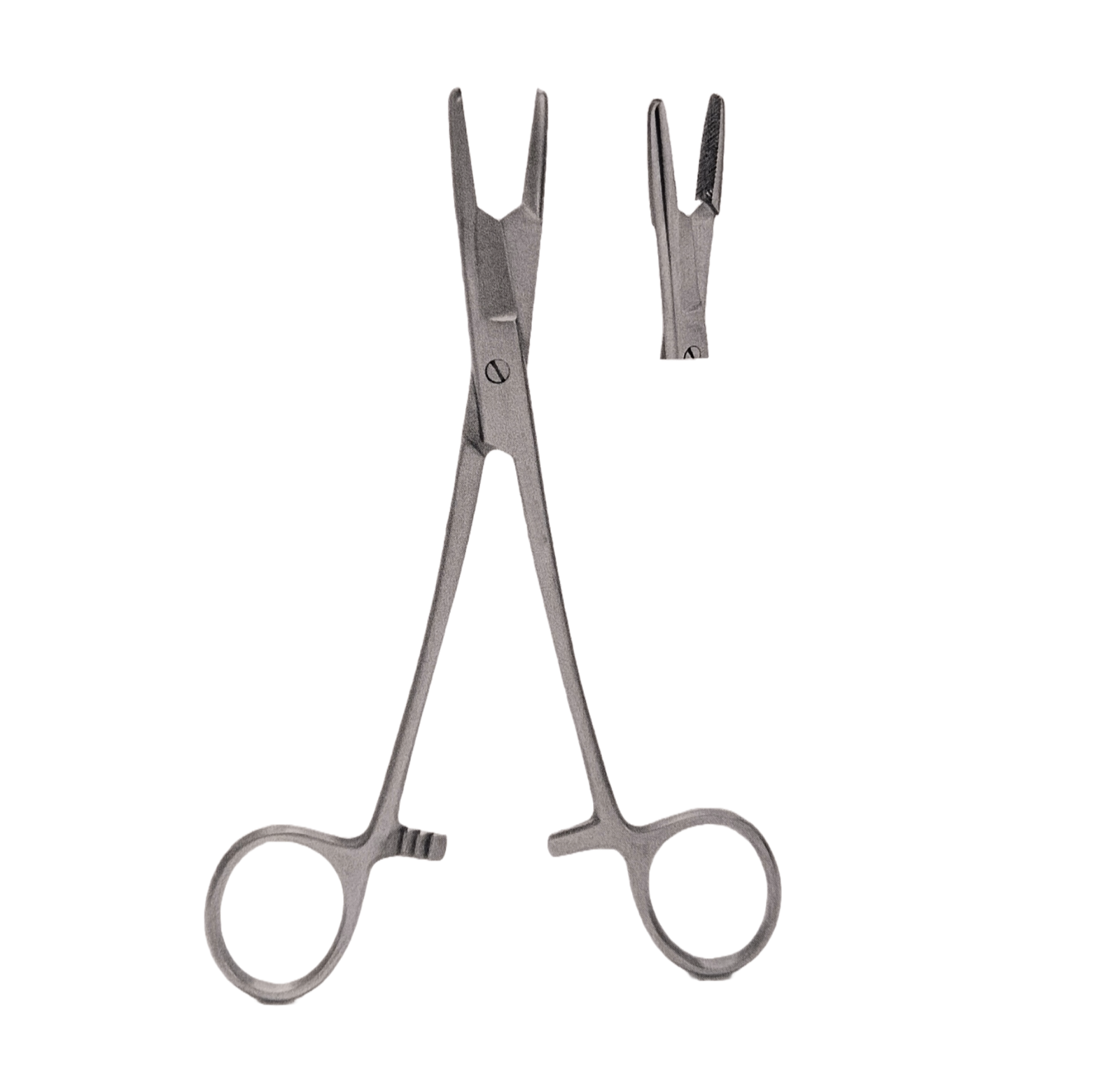
Debakey Needle Holder With Tungsten Carbide Jaws
Needle Holder Price range: ₹1,749.00 through ₹1,799.00 -
Sale!
 Quick View
 -
Sale!
 Quick View
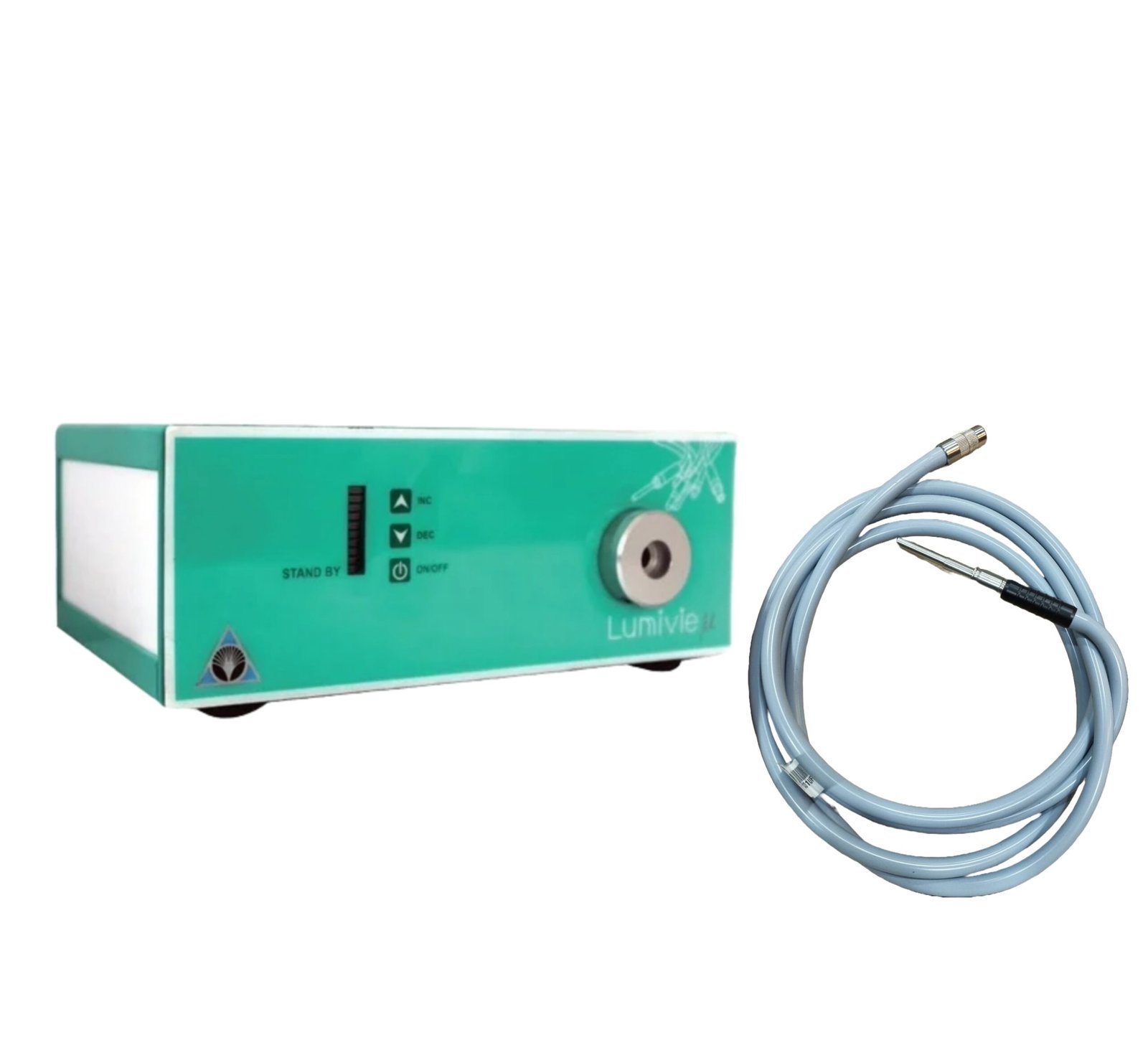
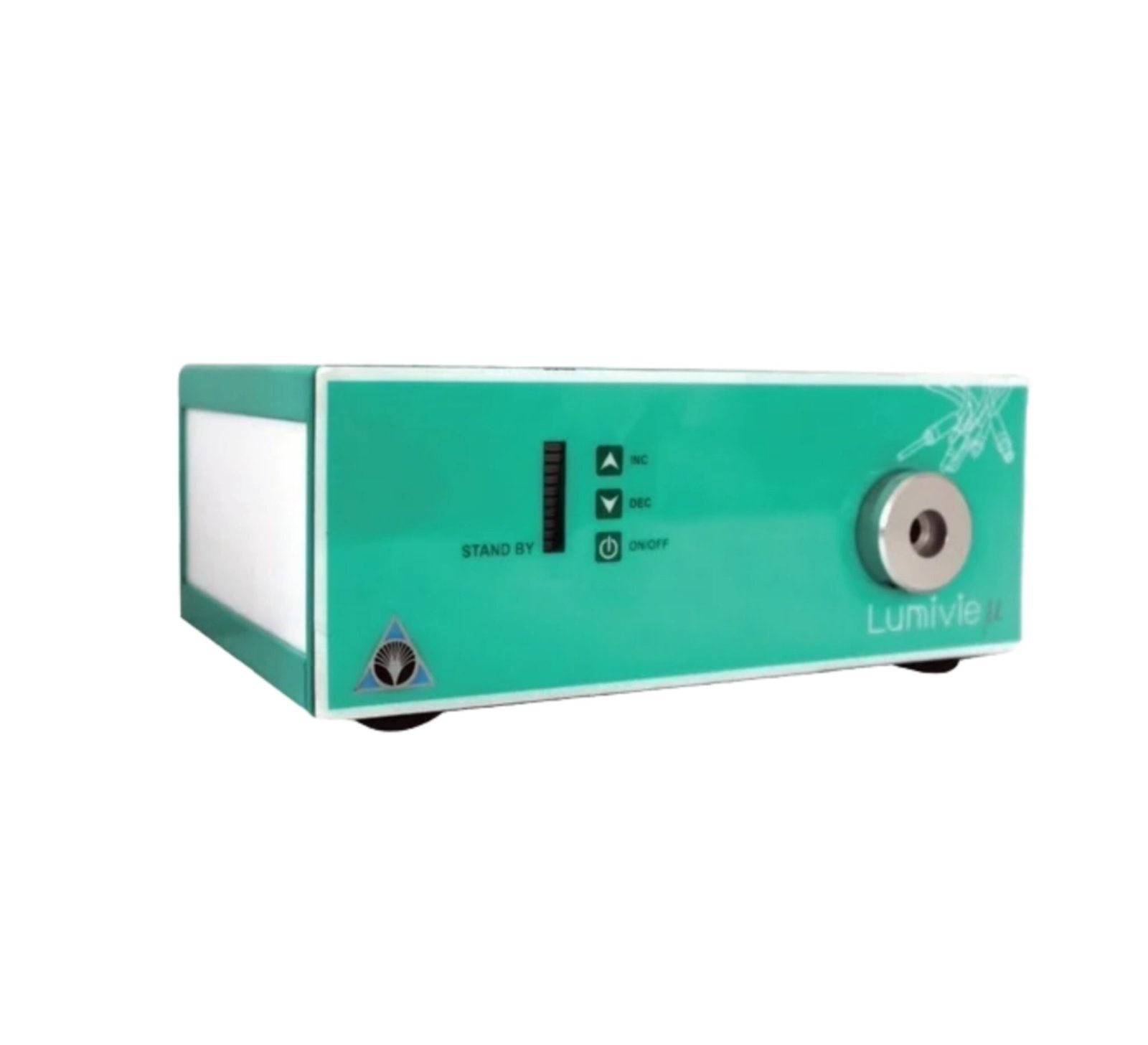
Lumivie Micro LED Light Source With Fibre Optic Cable
Laparoscopy Price range: ₹39,999.00 through ₹47,999.00 -
Sale!
 Quick View
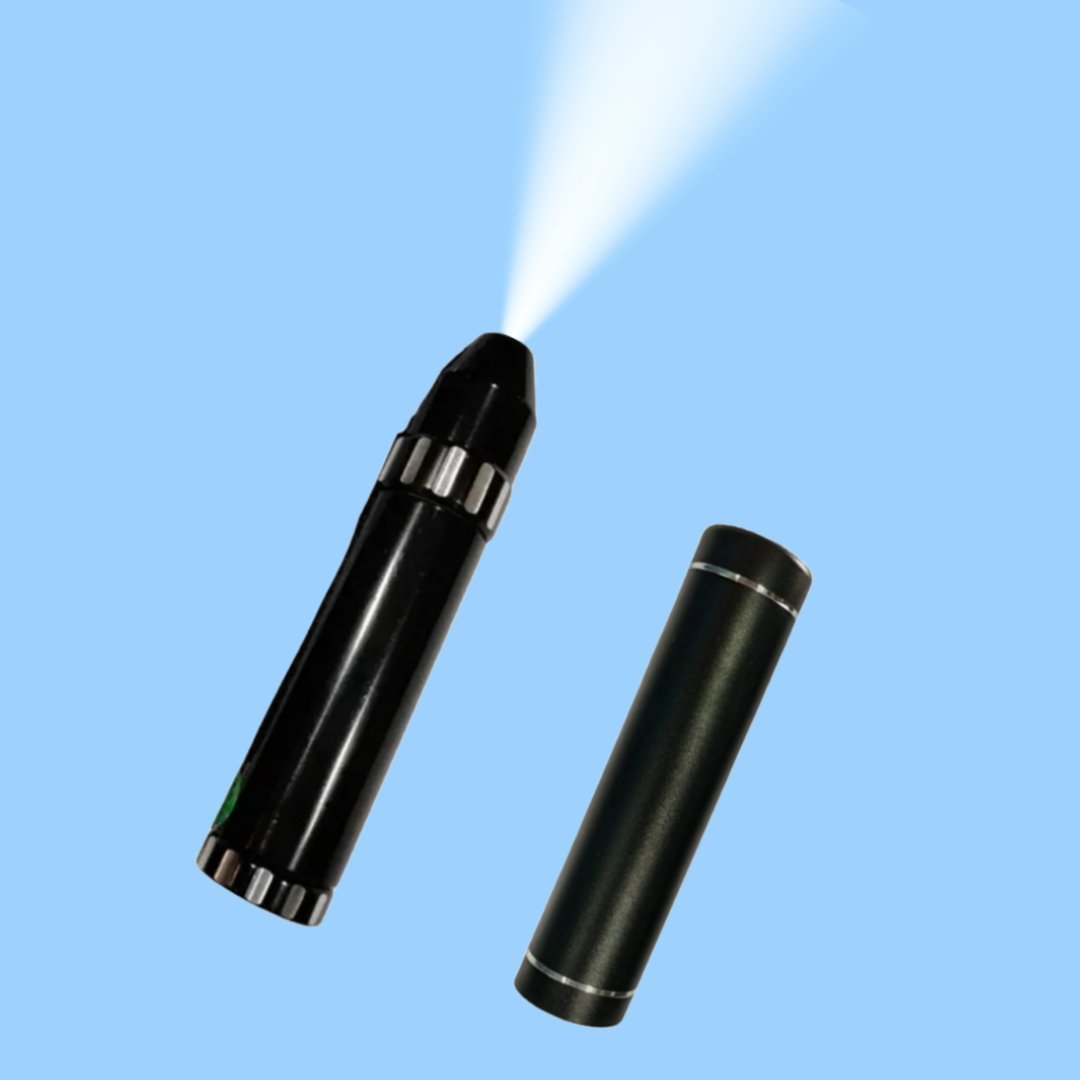
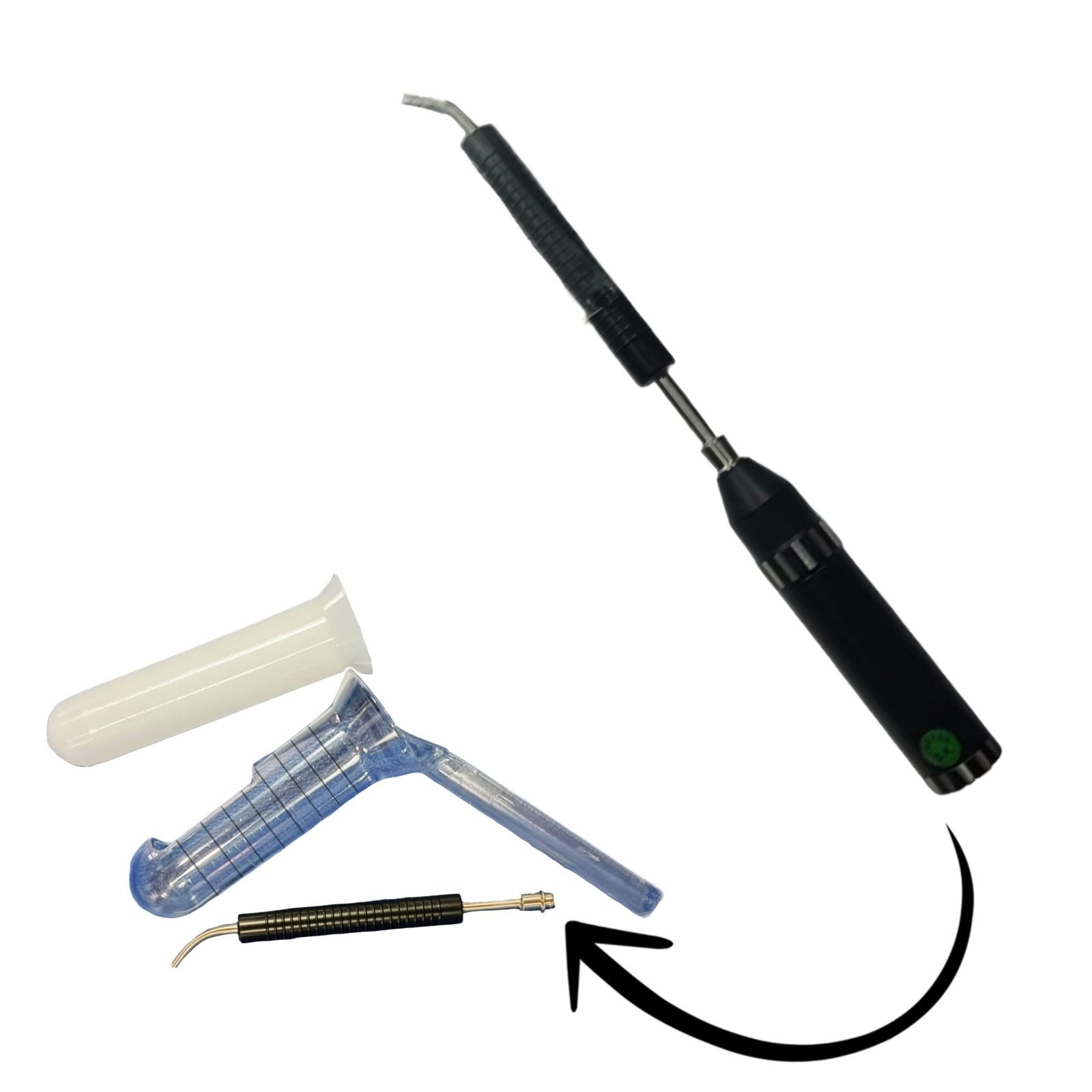
Portable Light Source For Proctoscopes
Proctology Original price was: ₹18,999.00.₹8,999.00Current price is: ₹8,999.00. -
Sale!
 Quick View
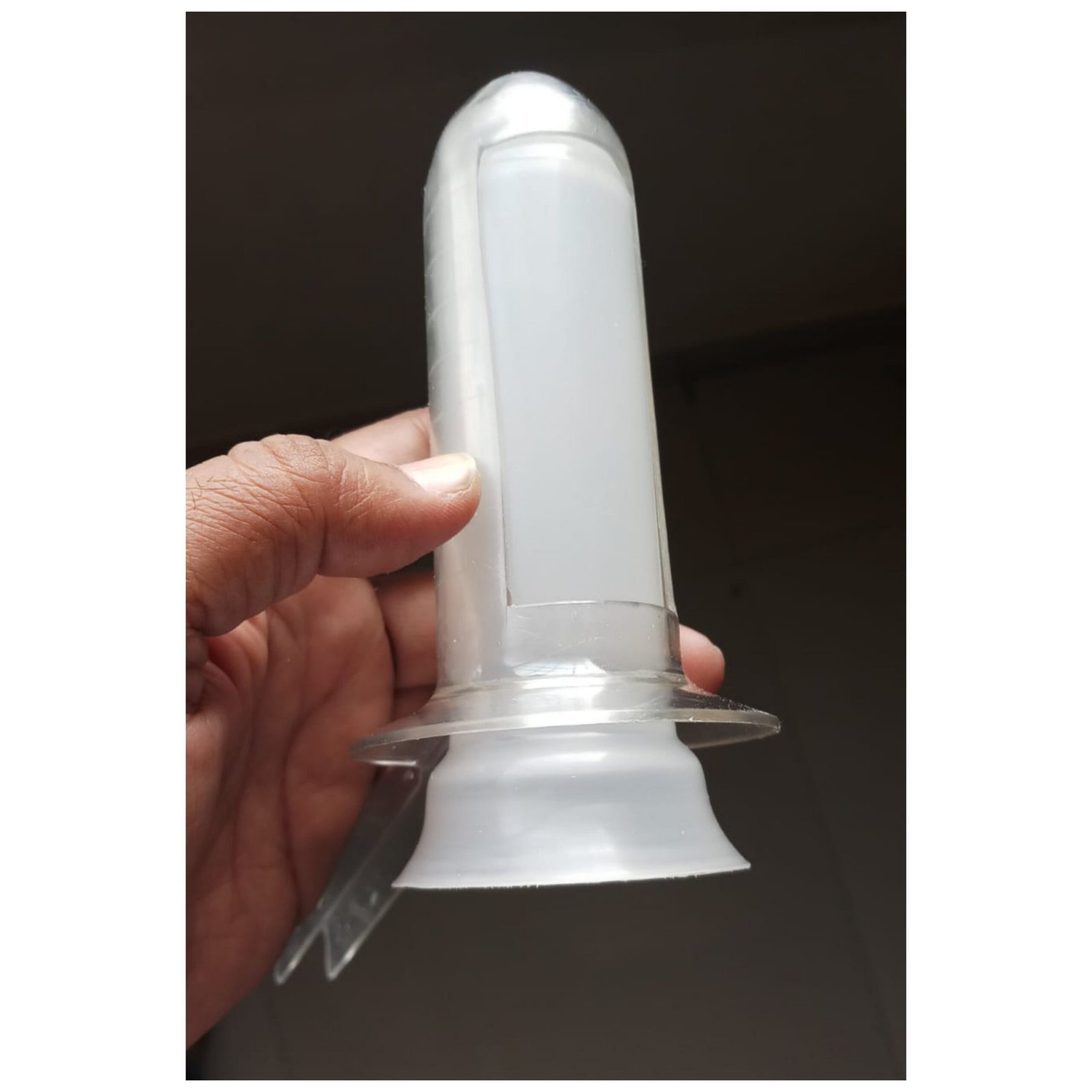
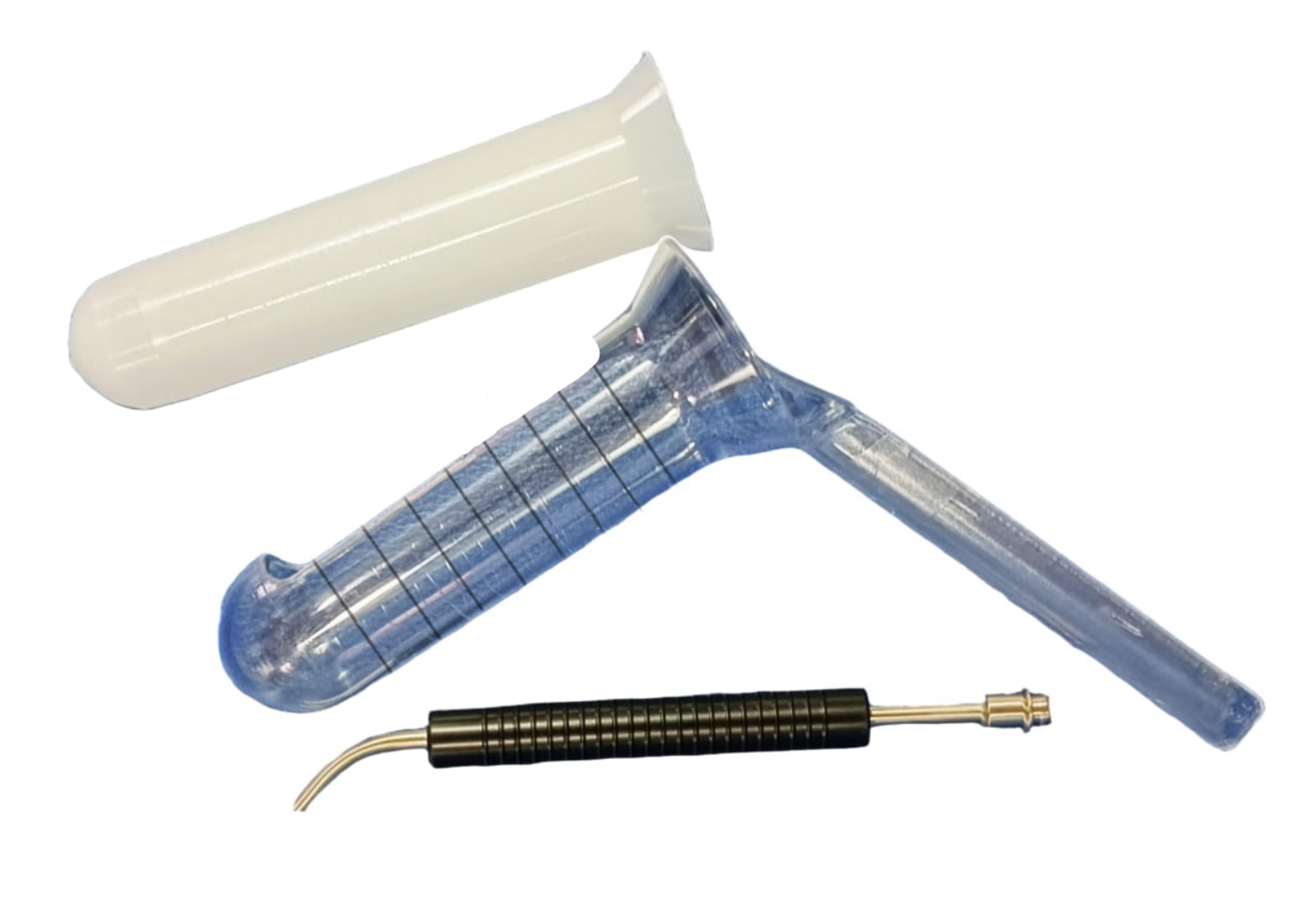
Dr. Chivates Full Cut Proctoscope (Old Model) with Light carrier
Instrument's for hemorrhoids Original price was: ₹14,999.00.₹7,599.00Current price is: ₹7,599.00. -
Sale!
 Quick View
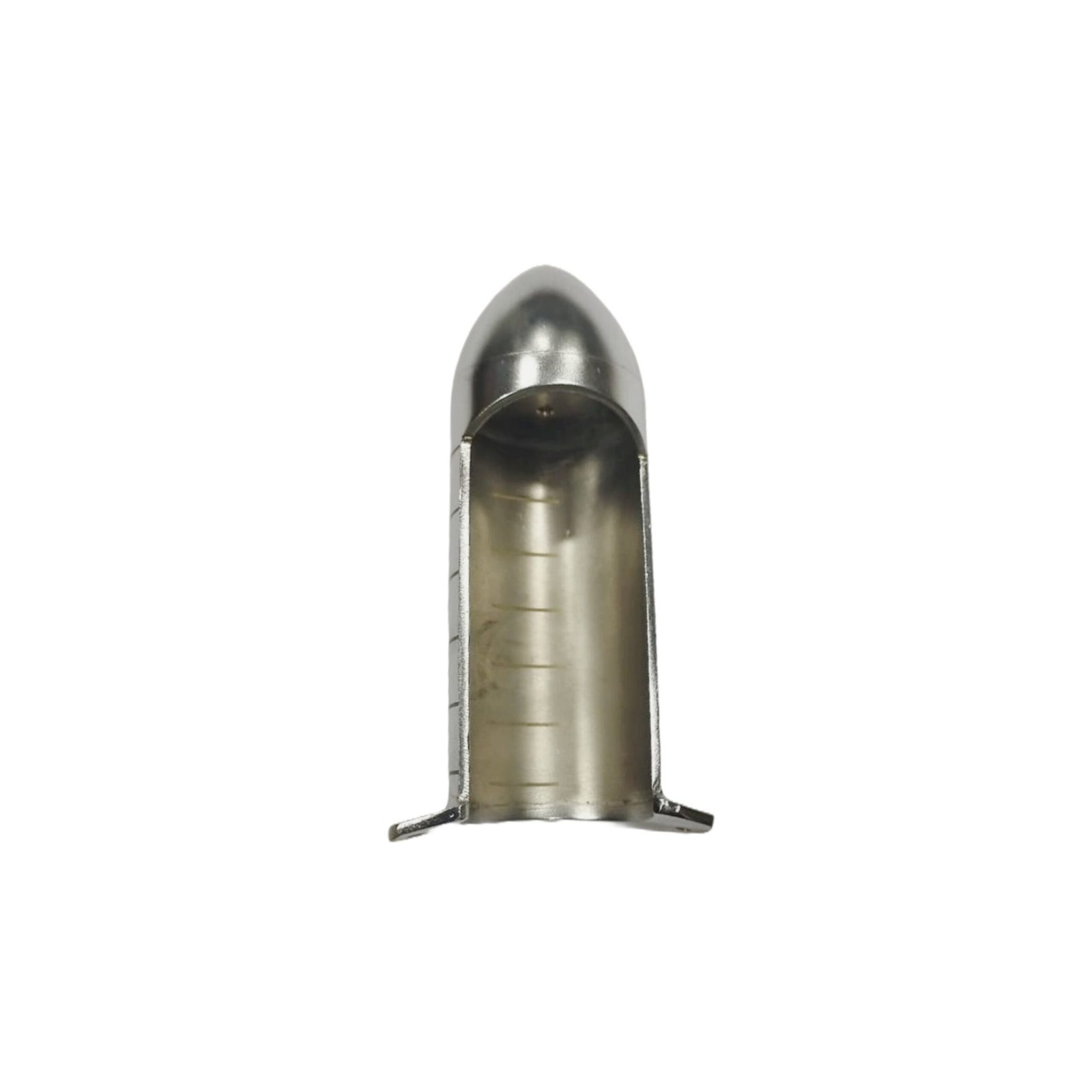
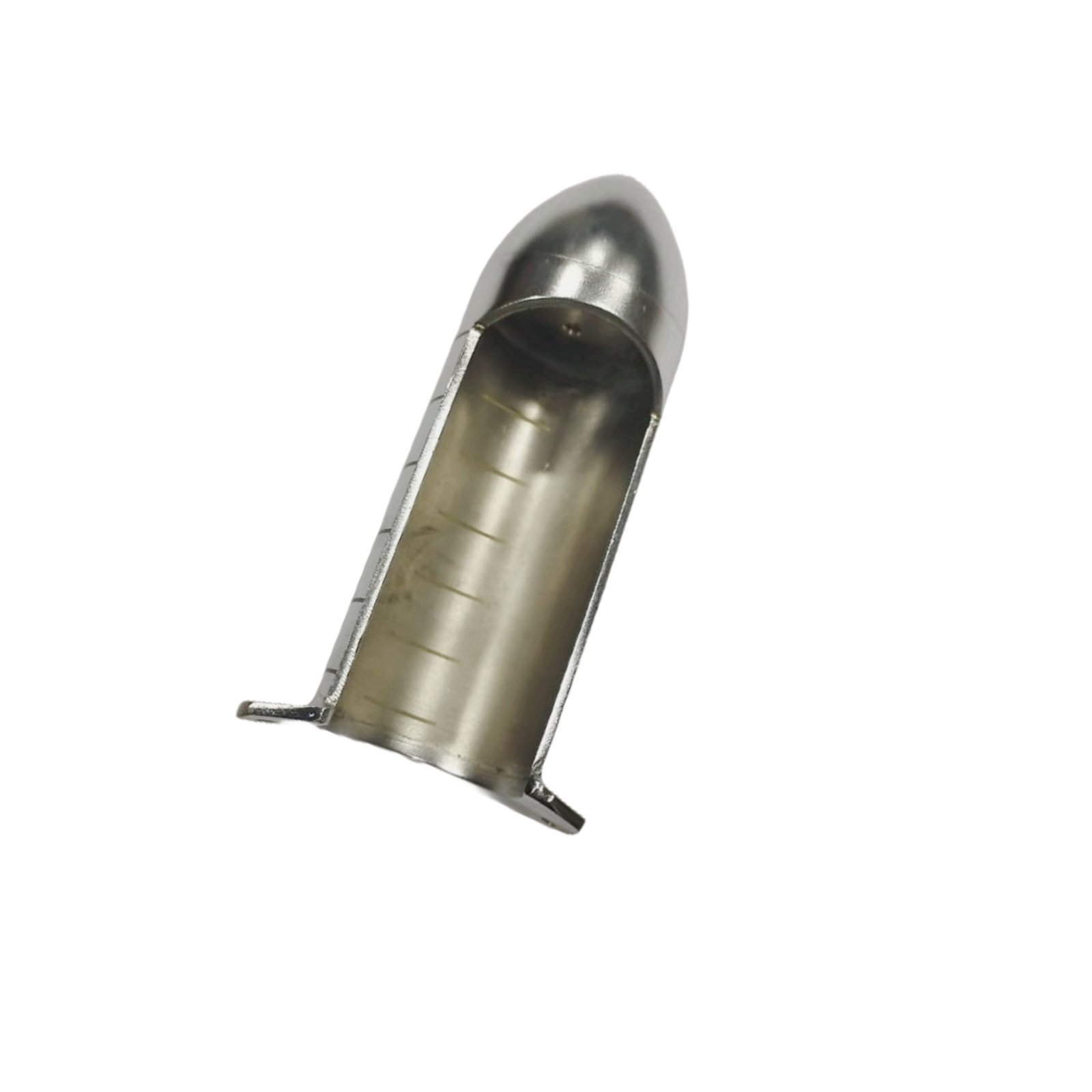
Dr. Kushal Mittal’s Anoscope
Instrument's for hemorrhoids Original price was: ₹9,999.00.₹4,499.00Current price is: ₹4,499.00.
Dr. Shanthikumar Chivate is an Indian surgeon known for developing and popularizing a modified procedure for hemorrhoids (piles) called Chivate’s Transanal Suture Rectopexy (TSR), also known as Chivate’s Procedure or Mucorectopexy.
Chivate’s procedure
- Goal: A less invasive and potentially less painful alternative to conventional hemorrhoidectomy for Grade II to IV haemorrhoids.
- Principle: Restoring lowered anal cushions to their original positions and ligating the blood flow to the anal canal, without extensive tissue removal, aiming to reduce nerve damage and tissue trauma.
- Method: Involves placing two circumferential rows of sutures (typically absorbable sutures like Vicryl 2-0) in the anorectal junction above the dentate line.
- Proximal suture: Disrupts the blood supply to the anal canal.
- Distal suture: Repositions the anal cushion in its original place.
- The sutures are placed at the mucosal and submucosal levels, in an interlocking and overlapping fashion to ensure stability and prevent slippage.
- Care is taken to avoid over-tightening to prevent ischemia.
Modifications and refinements
- Proctoscope Design: Dr. Chivate also designed a self-illuminated slit with a sliding valve proctoscope to facilitate the procedure.
- Suturing Technique: The suturing technique involves an interlocking suture pattern with two locking passes at each anchor point, and an overlapping suture fashion to enhance structural stability and minimize postoperative complications.
- Learning Curve: Chivate’s procedure is described as a relatively simple stitching technique with a short learning curve.
Reported outcomes
- Reduced Postoperative Pain: Studies suggest significantly lower pain scores compared to conventional haemorrhoidectomy, especially in the early postoperative period.
- Shorter Hospital Stay: Patients undergoing Chivate’s procedure experienced a shorter hospital stay.
- Lower Complication Rates: Studies have shown lower rates of complications compared to conventional approaches, though the difference may not always be statistically significant.
- Effective for Grade III and IV Haemorrhoids: The procedure has been reported to be effective in managing these advanced grades, even reducing pain in Grade IV cases.
- Lower Recurrence Rate: Some studies suggest a lower recurrence rate compared to other procedures like Longo’s stapled hemorrhoidopexy.
- Potential for Use in Resource-Limited Settings: The procedure’s comparative affordability makes it a suitable option in such settings.
Note: Long-term follow-up studies are ongoing to assess the durability and recurrence rates associated with Chivate’s procedure.