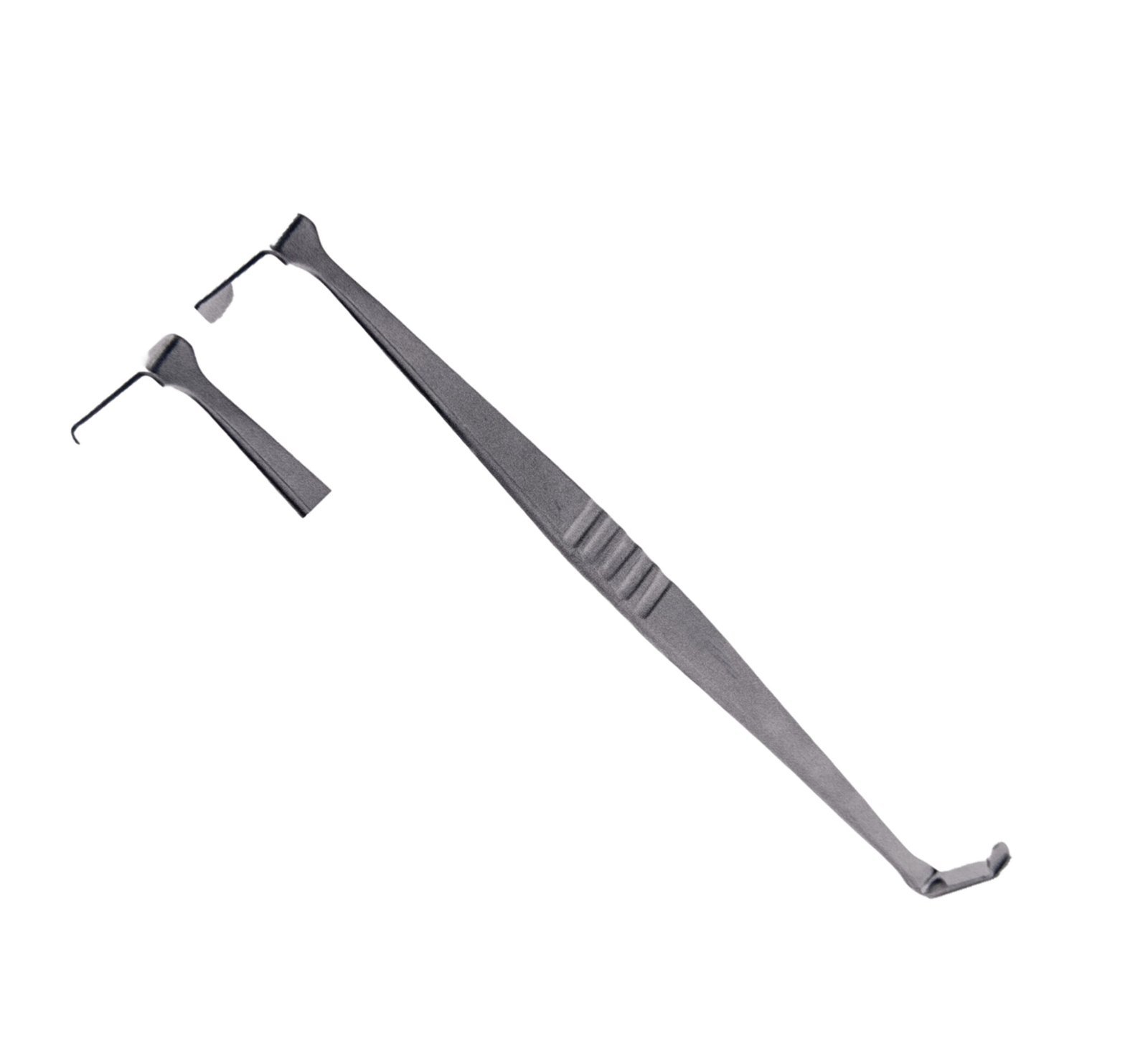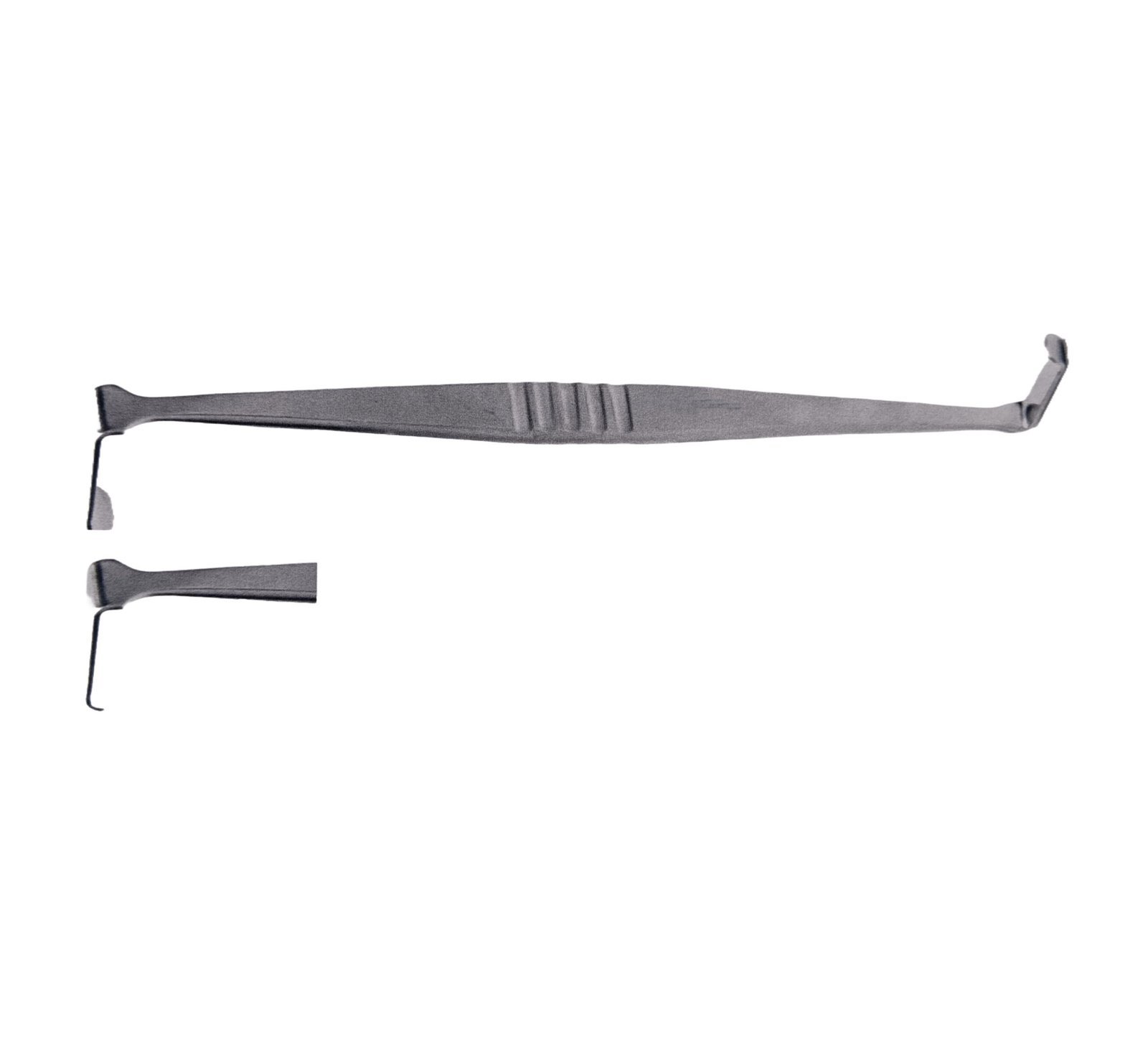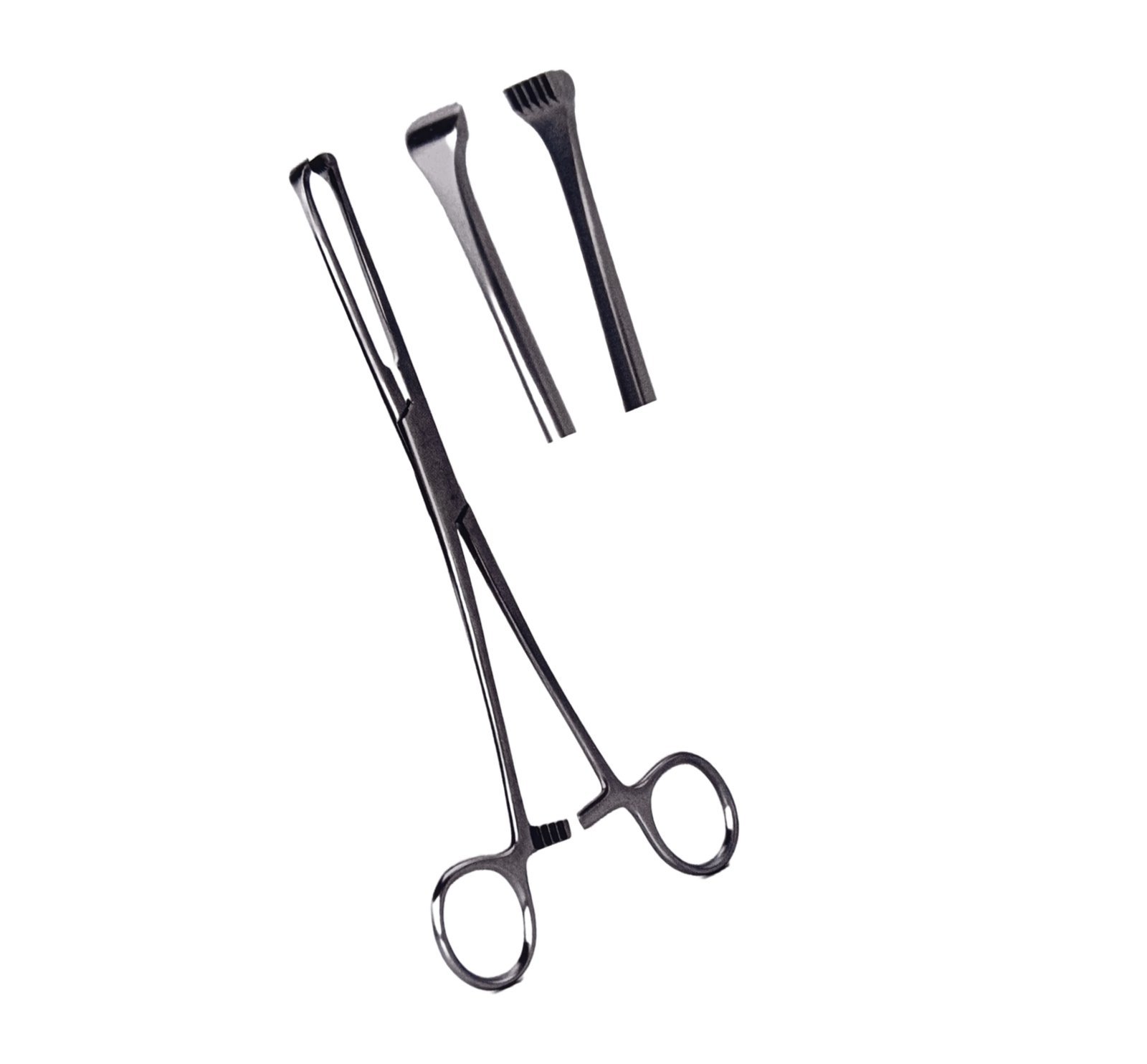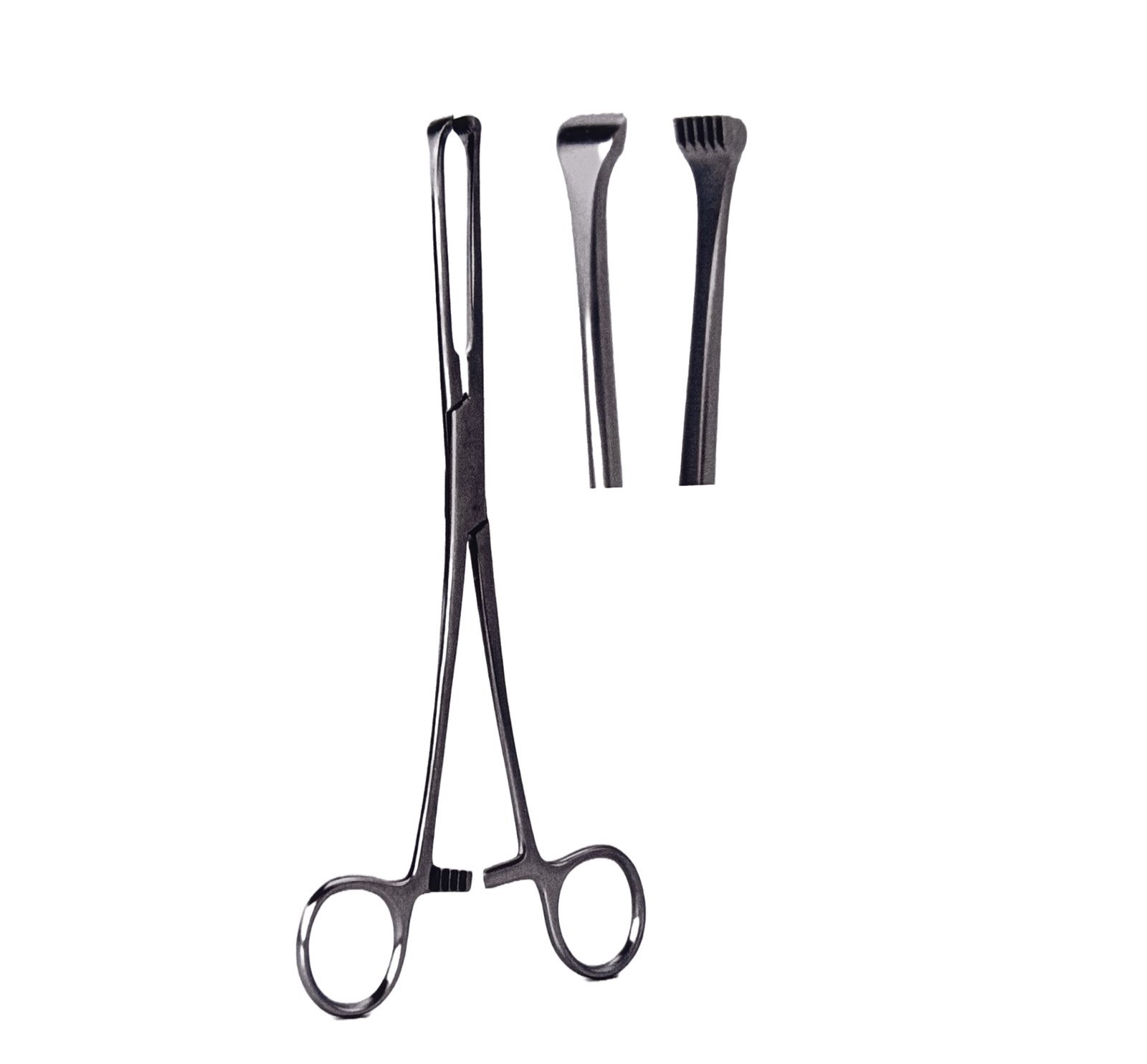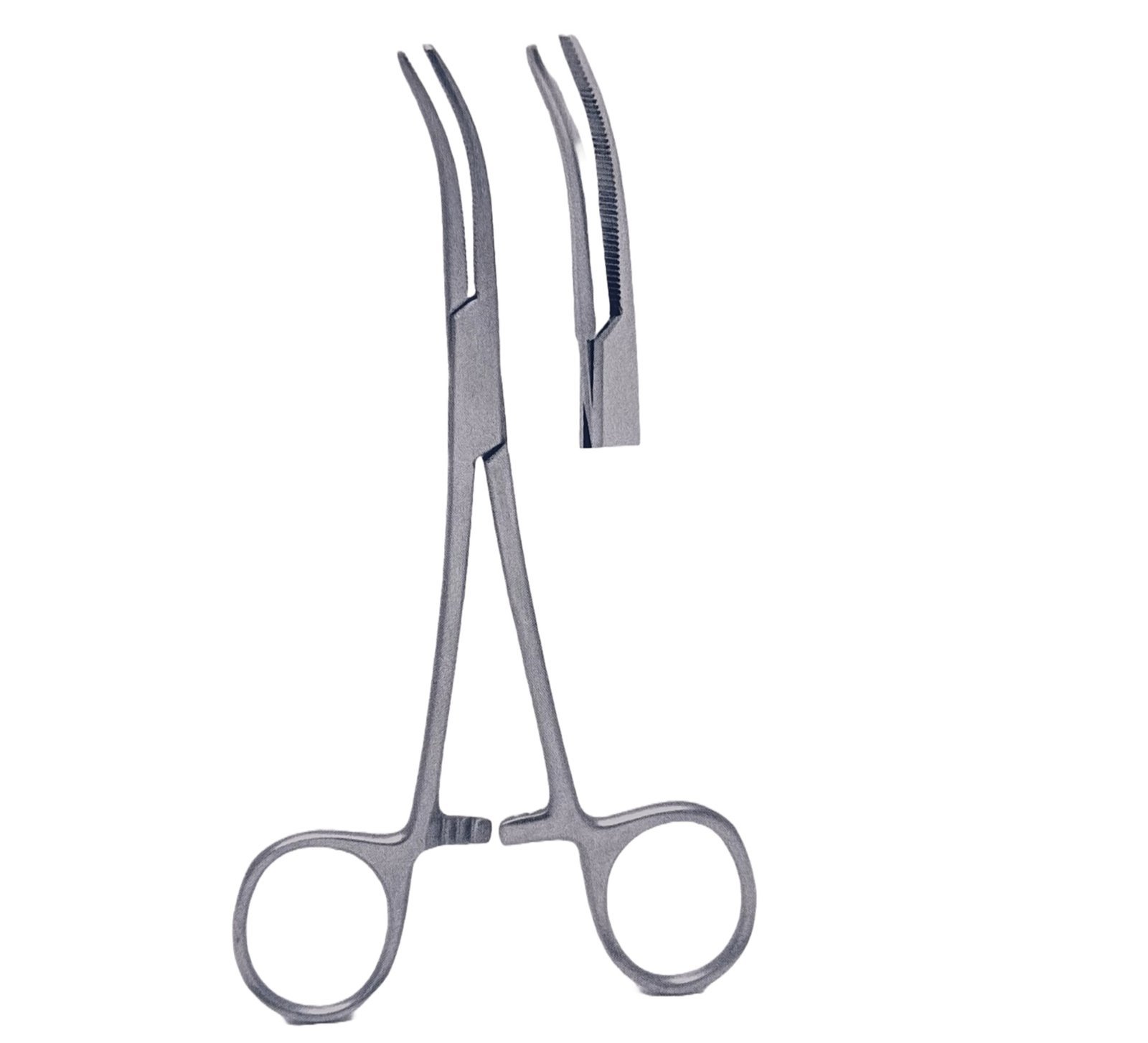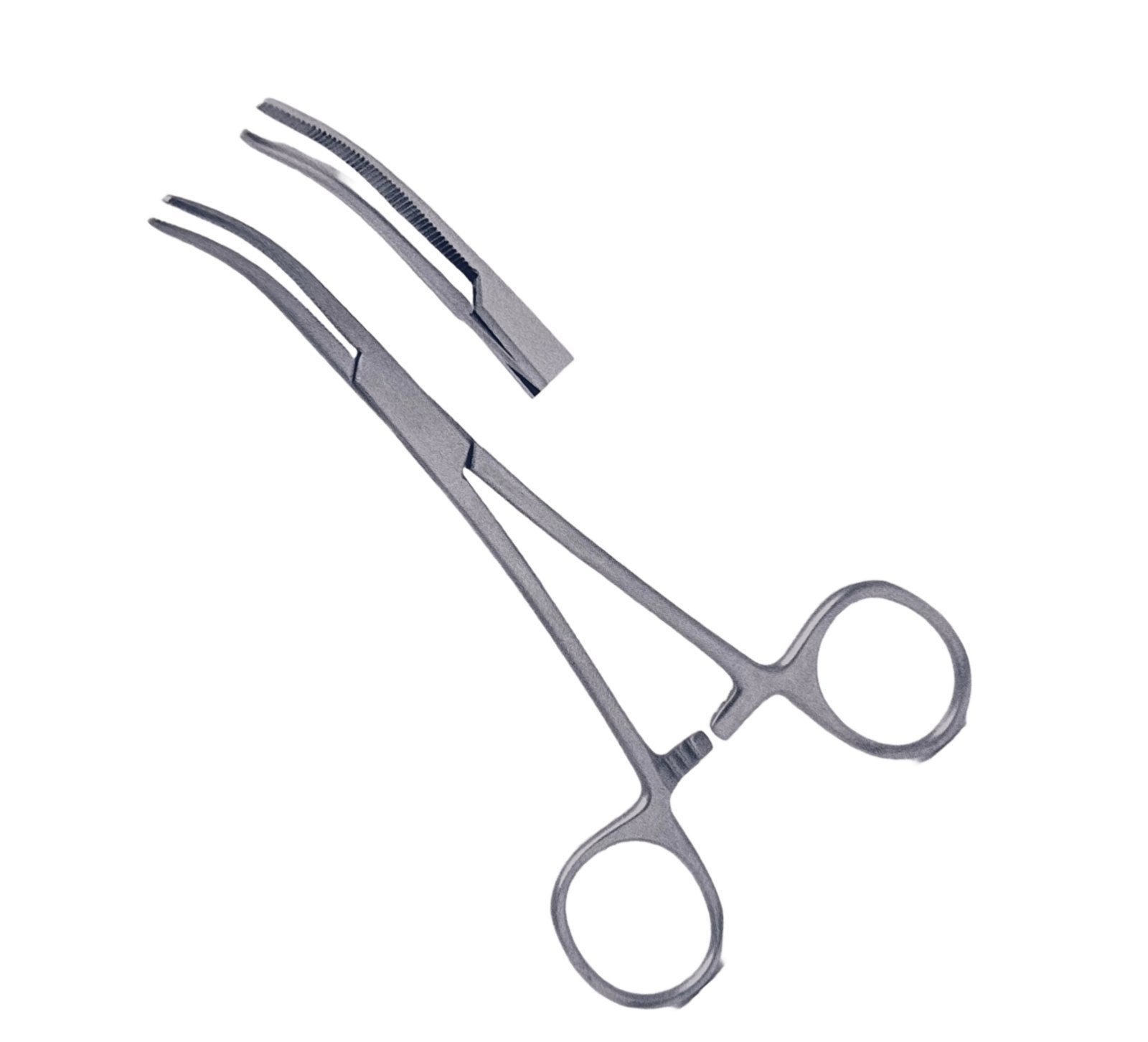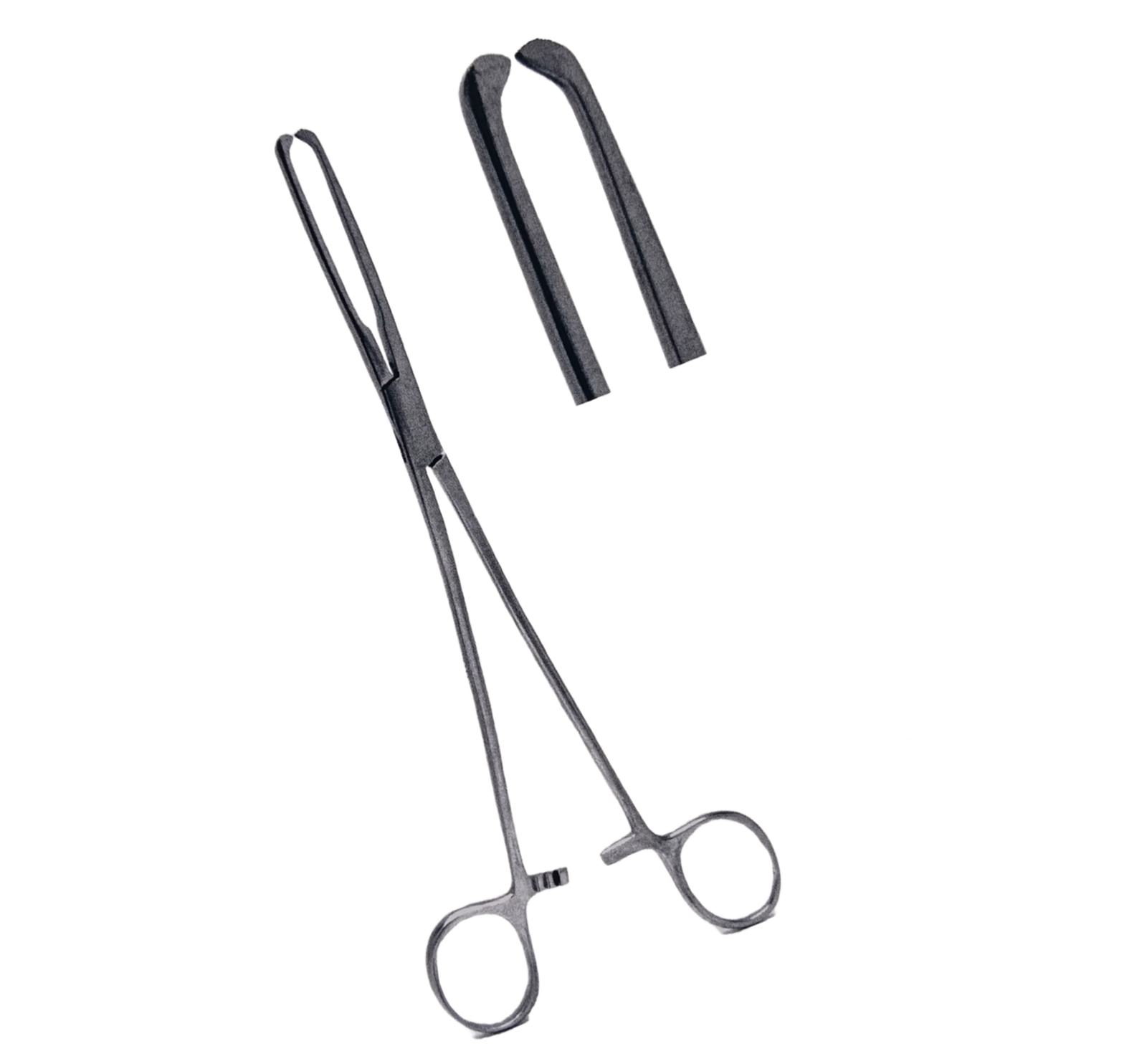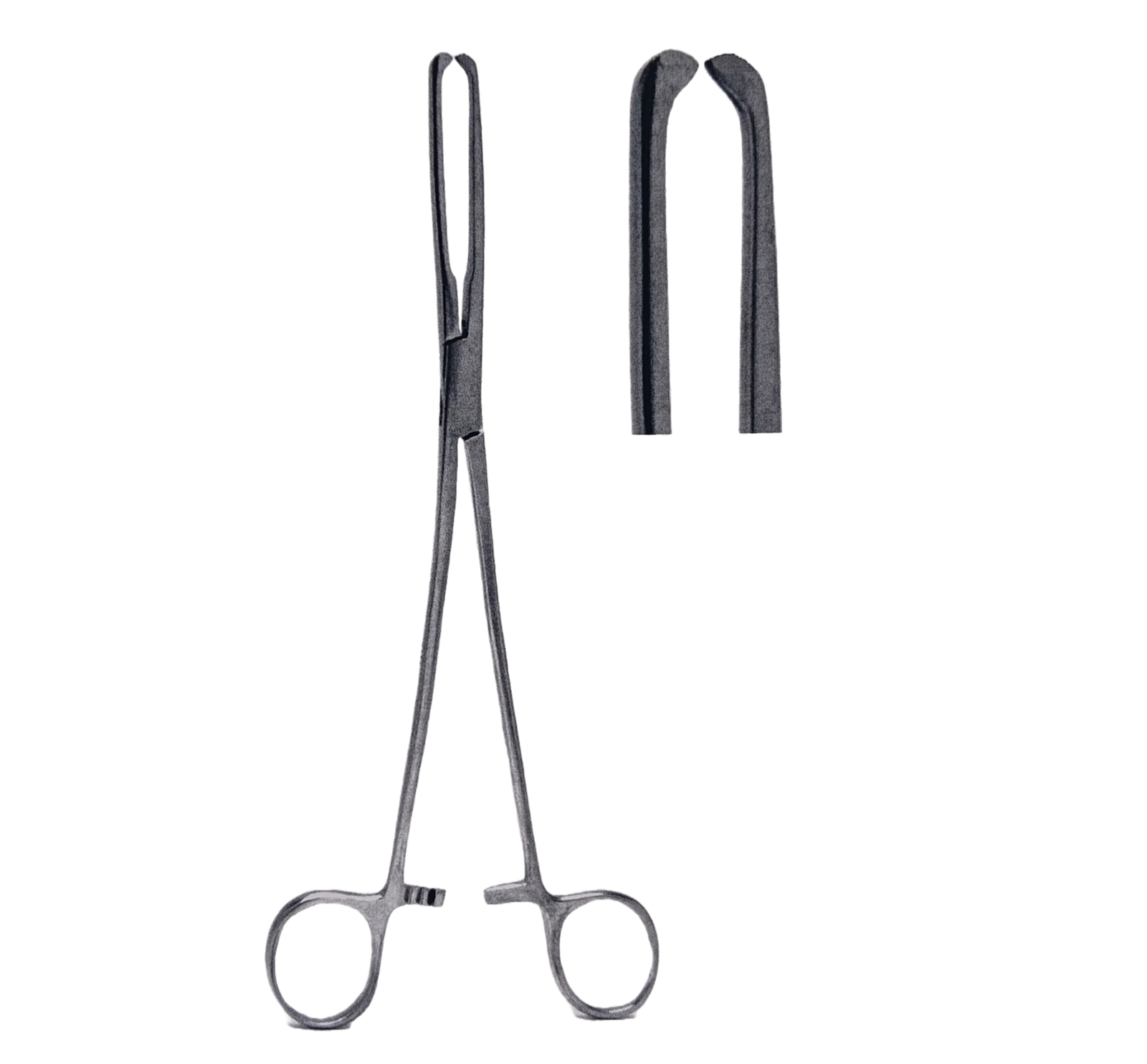
Video-Assisted Anal Fistula Treatment

Related Products
Description
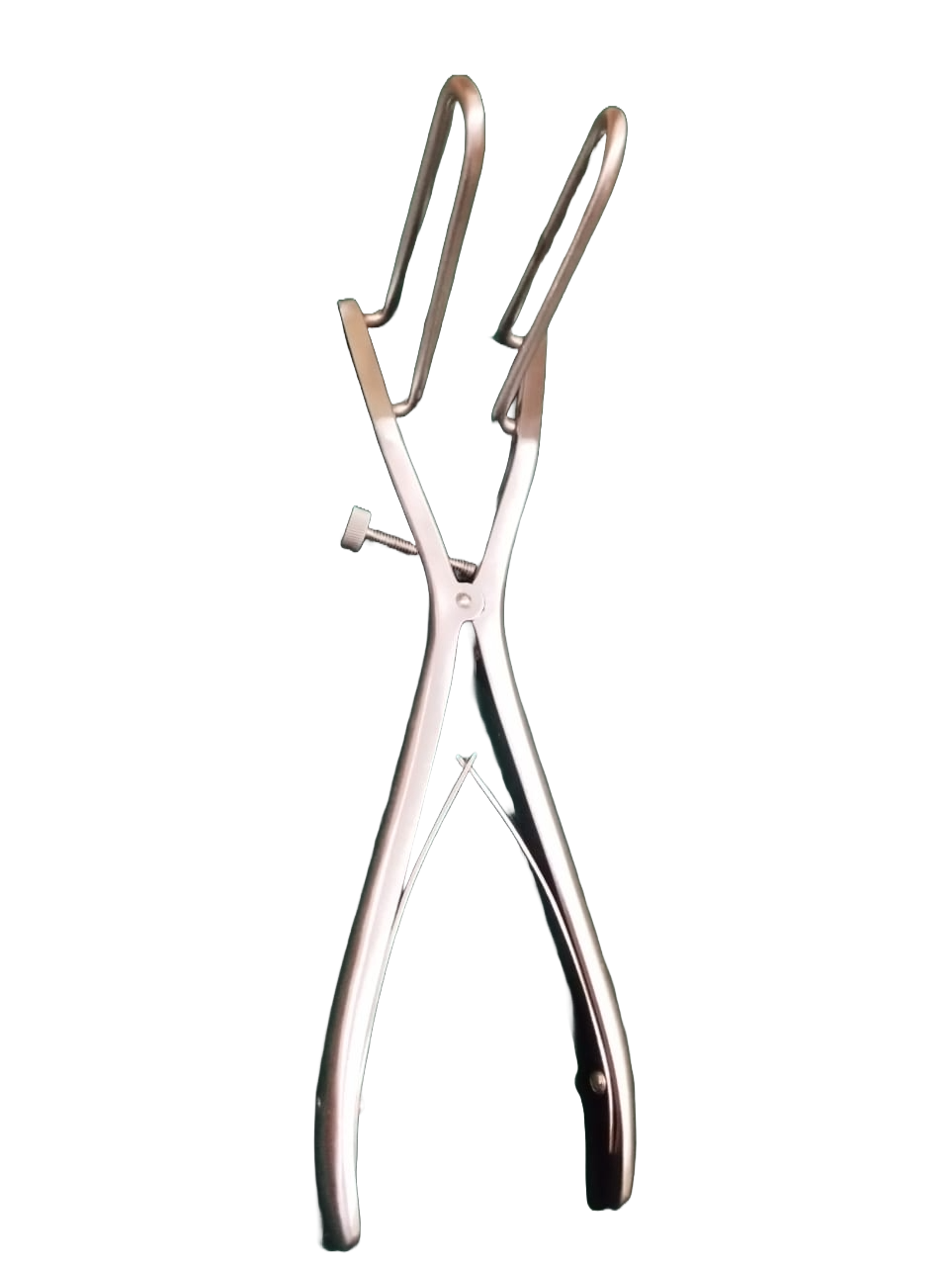
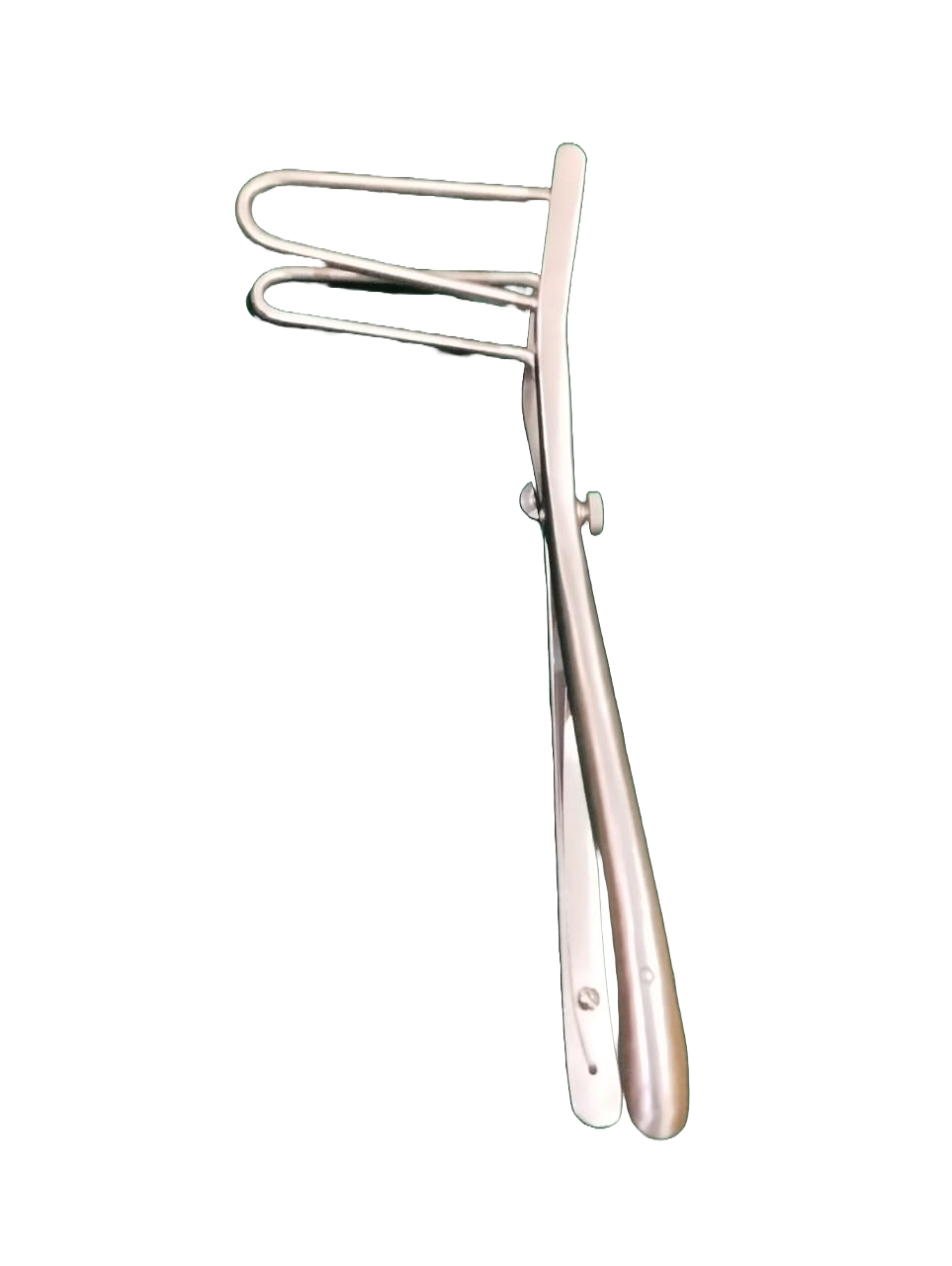
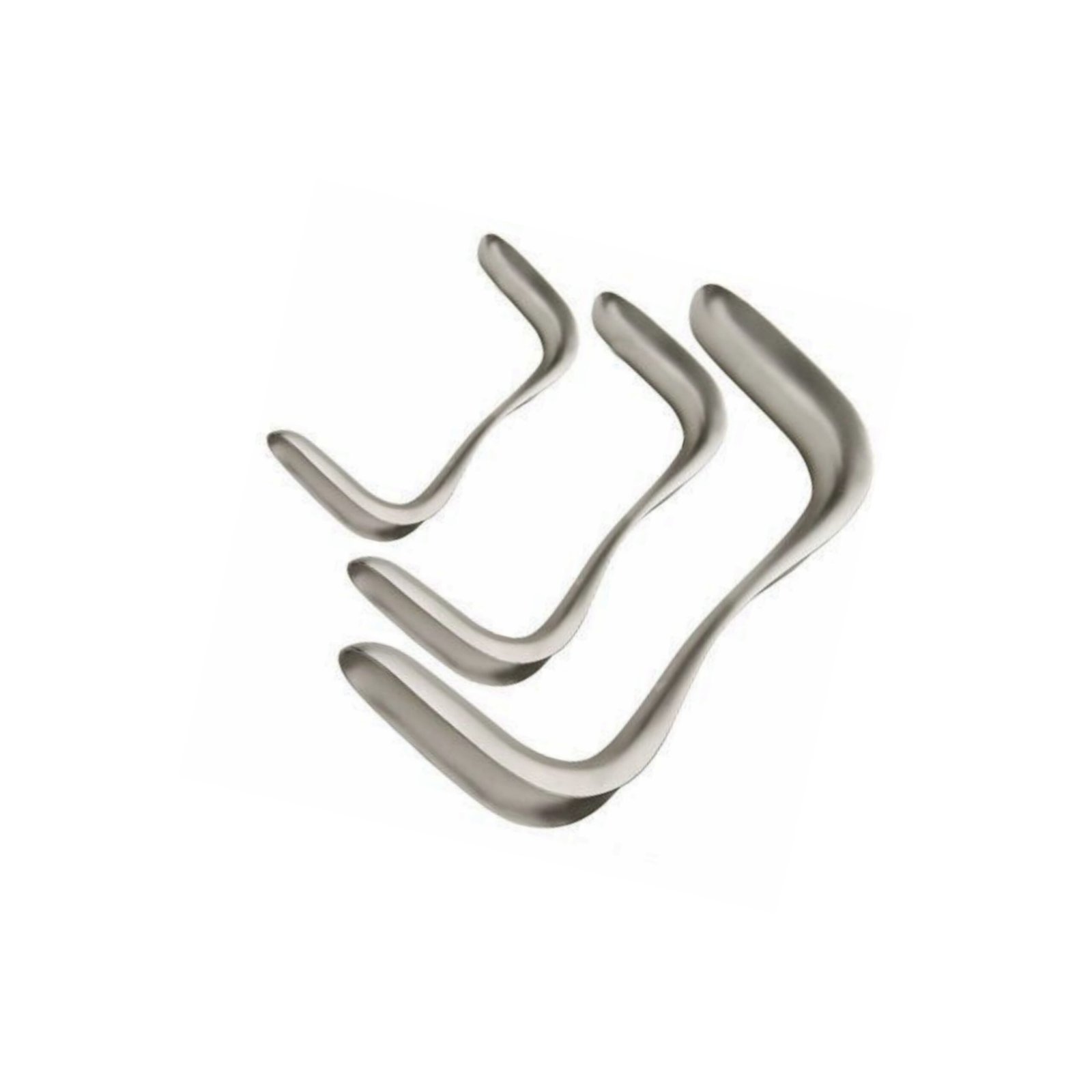
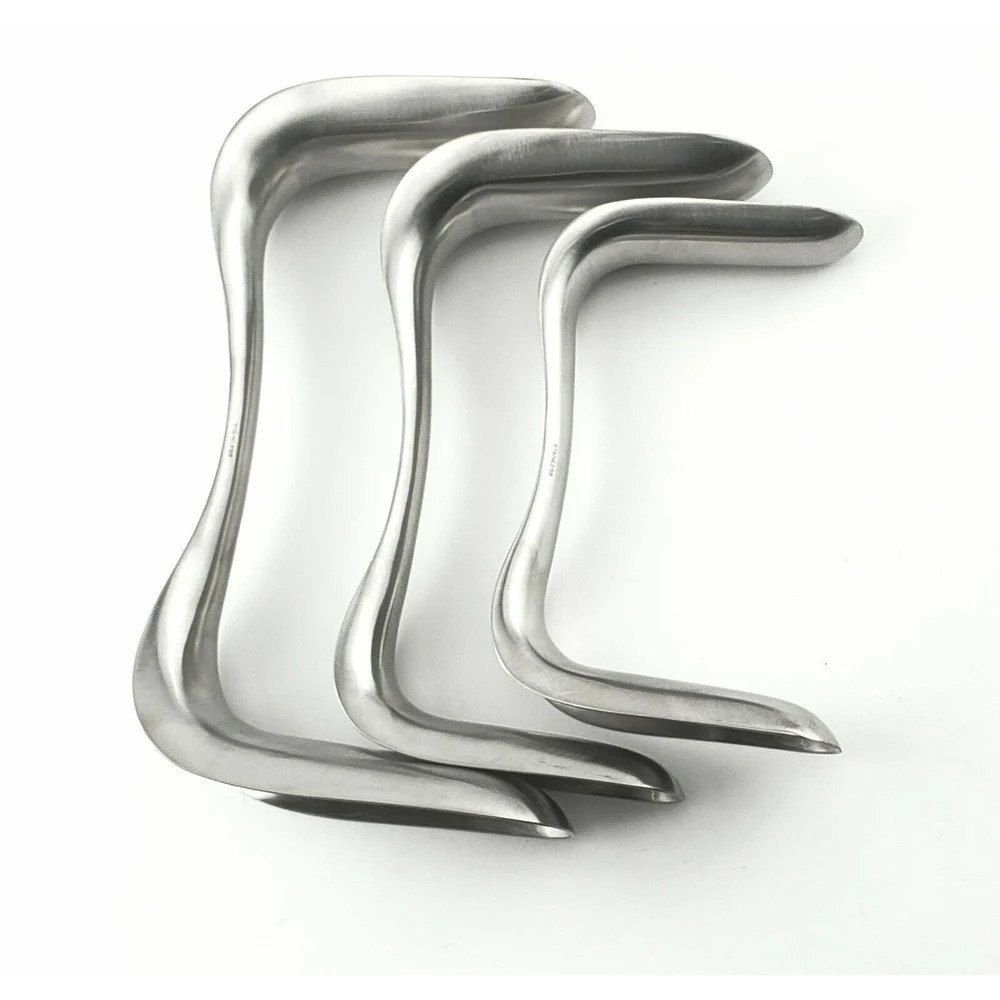
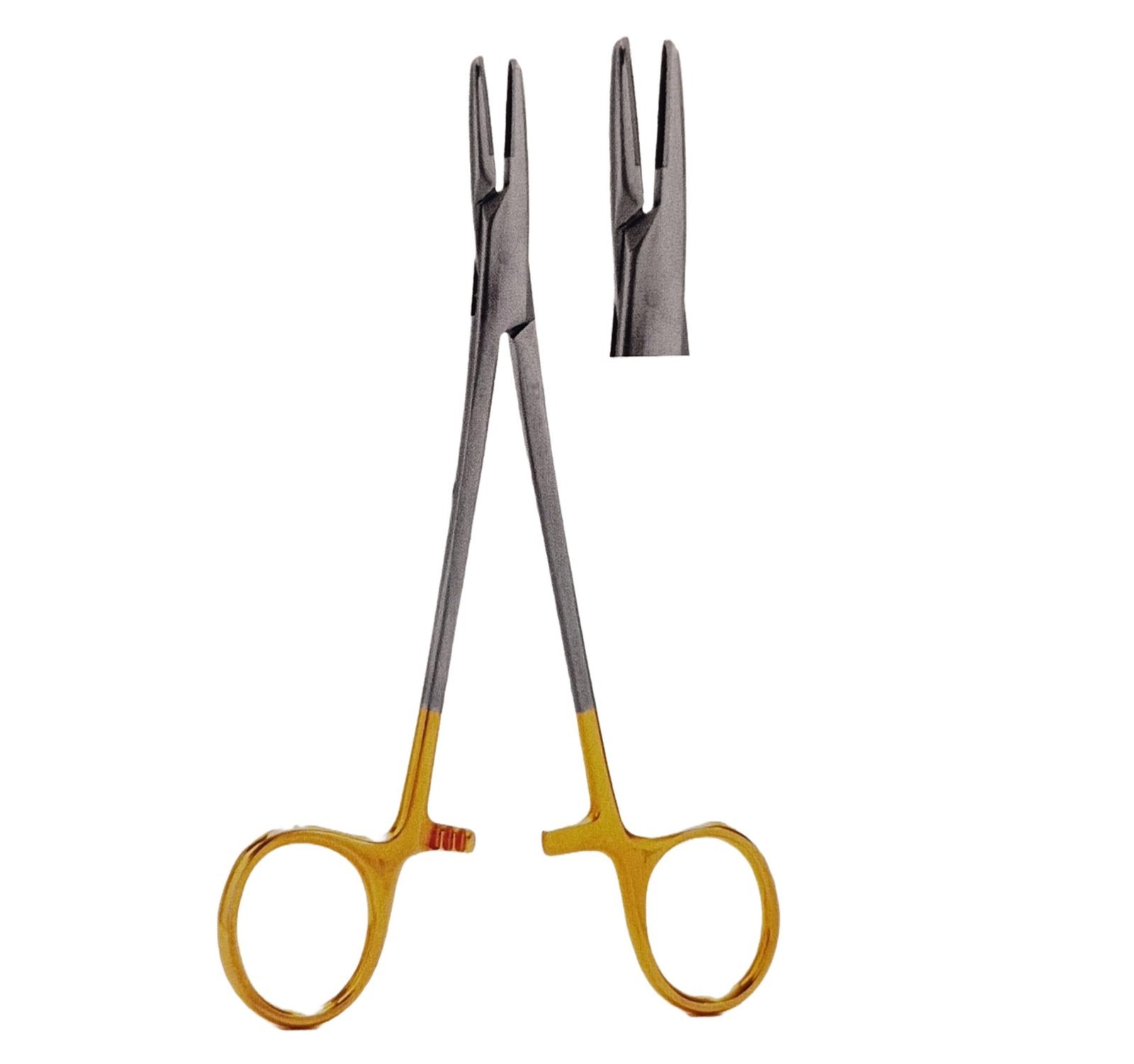
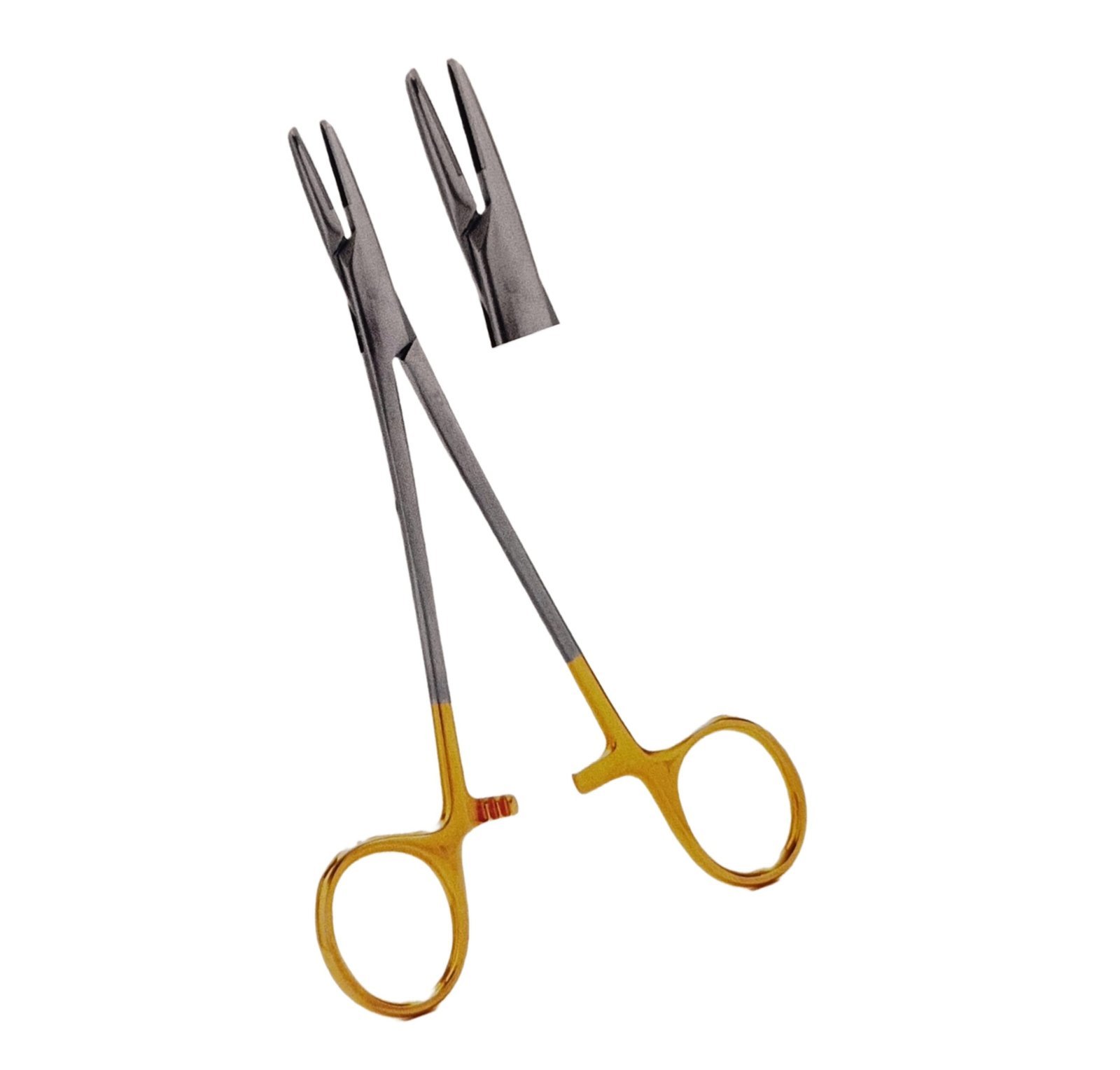
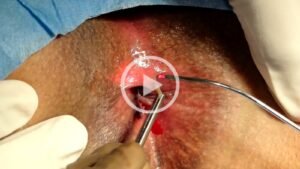
VAAFT, or Video-Assisted Anal Fistula Treatment, is a minimally invasive surgical procedure used to treat anal fistulas, which are abnormal tunnels between the anal canal and the skin near the anus. The procedure involves using a specialized endoscope (fistuloscope) to visualize the fistula tract, allowing the surgeon to identify the internal opening and any secondary tracts or abscesses. This direct visualization enables precise treatment, including cleaning the tract, cauterizing the internal opening, and potentially closing it. 
 
Here’s a more detailed explanation:
What is VAAFT?
  • VAAFT is a sphincter-saving procedure, meaning it aims to preserve the anal sphincter muscles, which are crucial for bowel control. 
     
  • It is performed under direct endoscopic visualization, allowing the surgeon to see the fistula tract and its internal opening in detail. 
     
  • The procedure is considered minimally invasive, with potentially smaller wounds and faster recovery compared to traditional open surgeries. 
     
How VAAFT works:
  • 1. Diagnosis:
    A fistuloscope, a small camera-equipped instrument, is inserted into the fistula’s external opening to visualize the tract and identify the internal opening. 
     
  • 2. Treatment:
    The surgeon uses the fistuloscope to: 
     
     
  • Clean the fistula tract and remove any unhealthy tissue. 
     
  •  
     
  • Cauterize (burn) the internal opening to close it. 
     
  •  
     
  • Identify and treat any secondary tracts or abscesses. 
     
  •  
  • 3. Closure:
    The internal opening may be closed with sutures or other techniques, or it may be left to heal naturally. 
     
Benefits of VAAFT:
  • Sphincter-saving: Preserves anal sphincter muscles, reducing the risk of incontinence. 
     
  • Minimally invasive: Smaller wounds, potentially less pain, and faster recovery compared to traditional open surgeries. 
     
  • Precise treatment: Direct visualization allows for accurate identification of the fistula tract and internal opening. 
     
  • Potential for reduced hospital stay: Some patients may be able to return home sooner. 
     
Important Considerations:
  • While VAAFT is promising, it’s still a relatively new procedure, and long-term success rates are still being studied. 
     
  • The success rate of VAAFT can vary depending on the complexity of the fistula and the surgeon’s experience. 
     
  • As with any surgery, there are potential risks and complications, such as infection, bleeding, or recurrence of the fistula. 
     
  • It’s essential to discuss the risks and benefits of VAAFT with a qualified surgeon to determine if it’s the right treatment option for your specific situation. 
Leave a Reply

Shopping cart

0
image/svg+xml